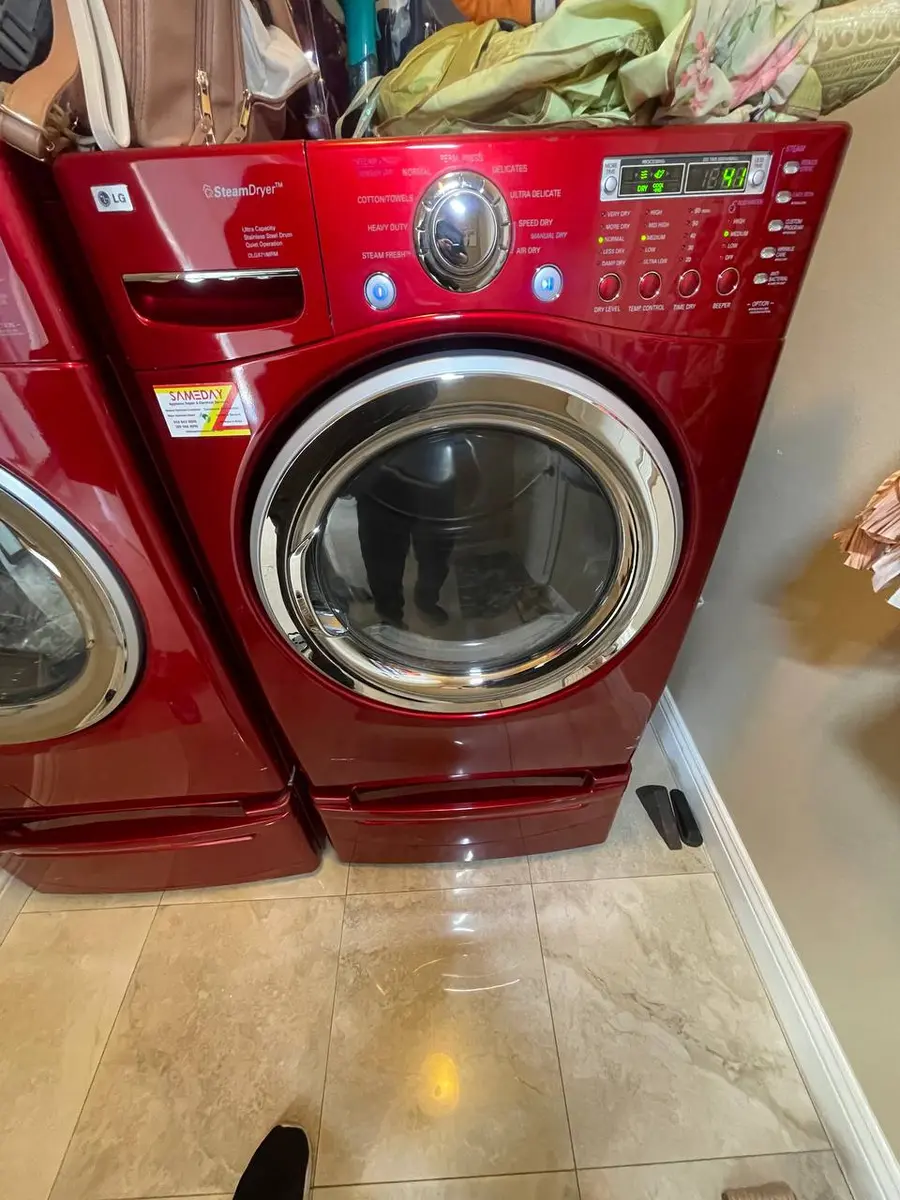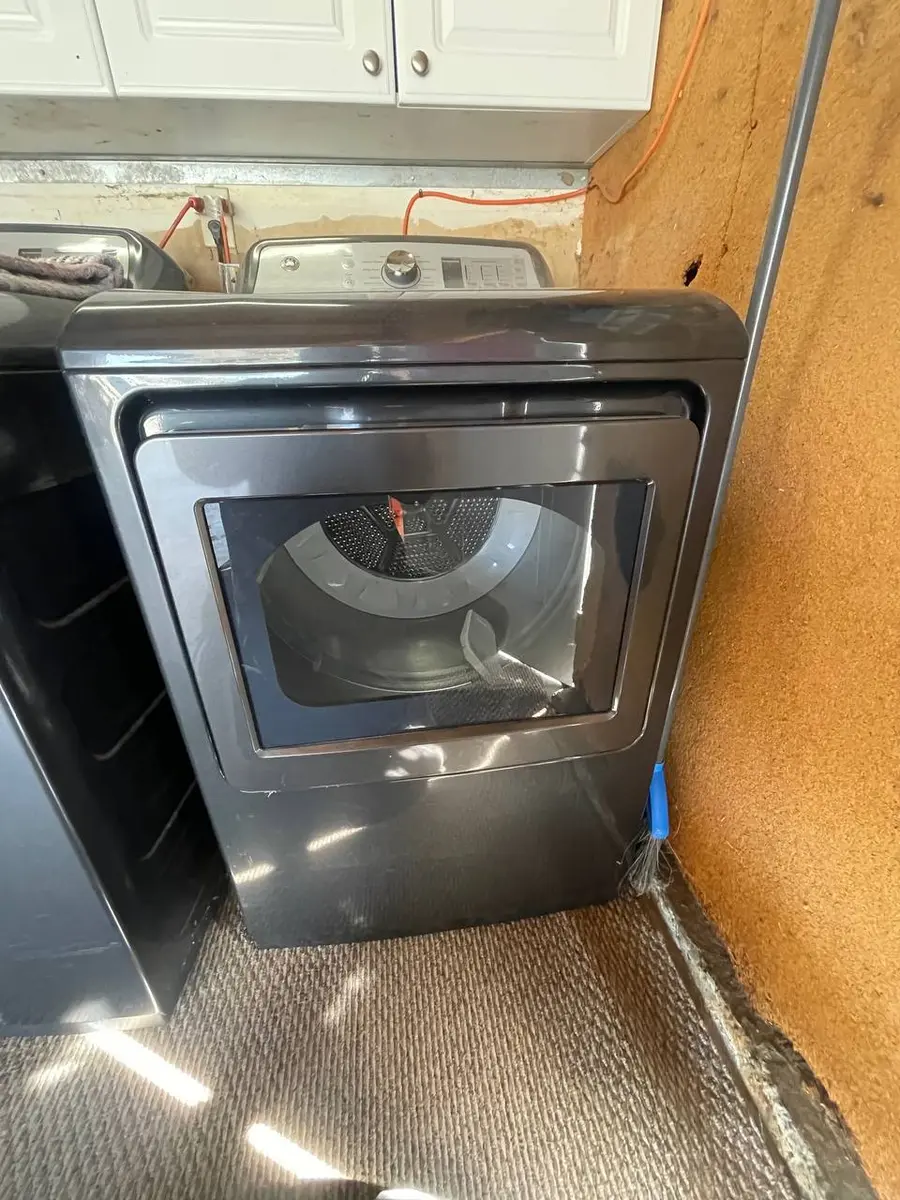
Midea dryer experiencing [dryer takes too long to dry](/bay-area/services/dryer-takes-too-long) is one of the most commonly reported service issues for this brand. Whether you own a newer model or a unit that is several years old, this guide covers the brand-specific causes, model differences, and repair costs you can expect. Midea is the world's largest appliance manufacturer by revenue, headquartered in Guangdong, China. They also own Toshiba Home Appliances. Their residential products offer reliable performance at budget prices, and US parts availability has improved significantly since 2022 with dedicated distribution centers.
Quick Answer#
Midea dryer taking too long is most commonly caused by restricted exhaust vent airflow (lint buildup in the duct), a clogged lint screen, or a partially failed heating element. Check the lint screen first, then the exhaust vent — you should feel strong airflow at the outside vent when the dryer runs. A vent run longer than 25 feet with multiple bends significantly increases drying time.
Do You Have the Right Tools?
Gas leak detector ($130), thermal fuse tester ($95), belt tension gauge, and vent inspection camera ($180). Our technician arrives with $3,000+ in professional tools — your diagnostic is free.
Licensed & Insured · 90-Day Warranty · Same-Day Service
Affected Midea Models#
This issue is commonly reported on these Midea dryer models:
- Midea MLE45N1BWW
- Midea MLE27N5AWWC
- Midea MLH52S7AGS
What Are the Common Causes?#
1. Clogged Exhaust Vent Duct (35% of cases)#
Lint accumulates inside the flexible duct and wall duct over time, restricting airflow. This is the single most common cause of extended drying times across all dryer brands. Midea dryers need at least 200 CFM of exhaust airflow. A partially blocked vent reduces this to 50-100 CFM, doubling drying time. Disconnect the vent from the dryer and run the dryer briefly — if clothes dry faster, the vent is the problem. Clean with a dryer vent brush kit or hire a professional vent cleaning service.
Across hundreds of Midea service calls, our technicians identify wear on the primary failure component as the primary culprit when diagnosing takes too long to dry — causes & how to.
Cost: (brush kit)
2. Clogged Lint Screen or Housing (25% of cases)#
Even if you clean the lint screen after every load, dryer sheet residue builds up on the fine mesh over time, blocking airflow. Hold the screen under running water — if water pools instead of flowing through, residue is clogging it. Scrub with a nylon brush and dish soap. Also check the lint screen housing — lint bypasses the screen and accumulates in the cavity below it. On Midea dryers, the housing can be vacuumed with a narrow attachment.
Cost: (DIY)
3. Heating Element Partially Failed (20% of cases)#
Electric dryer heating elements are coiled nichrome wire. When a section of the coil breaks, the element still produces heat but at reduced output — enough to prevent a complete no-heat complaint but not enough for normal drying times. On Midea electric dryers, the element is behind the rear panel in a housing. Visually inspect the coil for breaks. A multimeter across the element terminals should show the resistance specified on the wiring diagram — higher resistance = partial failure.
4. Moisture Sensor Coated or Failed (15% of cases)#
Auto-dry cycles use moisture sensor bars inside the drum to detect when clothes are dry. Dryer sheet residue coats the metal sensor bars, making them misread moisture levels. The dryer may either shut off too early (clothes still damp) or run excessively. On Midea dryers, the sensor bars are two metal strips inside the drum near the lint trap opening. Clean them with rubbing alcohol and a soft cloth. If cleaning doesn't help, the sensor or control board has failed.
Cost: (DIY clean) | Professional: (sensor replacement)
5. Overloading the Dryer (5% of cases)#
Overloading prevents clothes from tumbling freely, reducing airflow through the load. Heavy items like towels and jeans need space to separate and expose surface area to heated air. Fill the drum only 3/4 full for optimal drying performance. This is not a mechanical failure but a usage issue that frequently prompts service calls. Midea compact dryers (24-inch) are particularly sensitive to overloading due to smaller drum volume.
Cost: (DIY)
Safety First — Know the Risks
Gas dryers carry carbon monoxide and explosion risk. Even electric dryers involve 240V circuits that can deliver a fatal shock. Our techs are licensed and insured — let them handle the risk.
Licensed & Insured · 90-Day Warranty · Same-Day Service
Step-by-Step Troubleshooting#
Before starting any troubleshooting on your Midea dryer, disconnect power at the circuit breaker or unplug the unit.
- Identify your exact model: Locate the model number on the serial plate (typically inside the door frame, on the rear panel, or under the lid). This determines exact parts and diagnostic procedures.
- Check for error codes: If your Midea dryer has a digital display, note any error codes shown. These narrow the diagnosis to a specific component.
- Inspect the most likely cause: Based on the causes above, start with the highest-probability component.
- Test basic components: Check power supply, inspect accessible parts for visible damage, and verify settings are correct.
- Test operation: After addressing any obvious issues, restore power and run a test cycle. Monitor for 10-15 minutes to see if the symptom recurs.
When Should You Call a Professional?#
Contact a certified appliance repair technician if:
- The issue persists after basic troubleshooting
- You notice burning smell, sparking, or electrical damage
- The repair requires accessing high-voltage components or internal wiring
- Your Midea dryer is under warranty — professional diagnosis preserves coverage
The Real Cost of DIY
Average DIY attempt: $150-400 in tools you may use once, plus the risk of further damage. Our diagnostic visit costs $0 — we find the problem and give you an honest quote.
Licensed & Insured · 90-Day Warranty · Same-Day Service
How Much Does This Repair Cost?#
Typical repair costs for Midea dryer takes too long to dry: (parts and labor combined). The lower end covers simple component replacements completed in a single visit. The higher end involves more complex repairs or multiple failing parts. A diagnostic visit confirms exact cost before work begins.
Frequently Asked Questions#
Why does my Midea dryer take 2-3 cycles to dry clothes?#
Needing multiple cycles almost always means severely restricted vent airflow. Disconnect the vent duct from the dryer and run a test load — if it dries normally in one cycle, the vent needs cleaning. Crushed flexible duct, lint blockage at wall penetrations, and vent runs exceeding 25 feet with multiple elbows are common causes. Professional vent cleaning and should be done annually.
How often should I clean the Midea dryer exhaust vent?#
Clean the exhaust vent annually at minimum. If you dry more than 8 loads per week or have pets, clean every 6 months. Signs of a clogged vent: clothes take longer to dry, the dryer exterior is hot to the touch, or you smell a burning/musty odor. A clogged vent also increases fire risk and causes premature thermal fuse failure.
How much does it cost to fix a Midea dryer that takes too long?#
Vent cleaning:. Lint screen cleaning: free. Heating element replacement:. Moisture sensor:. Most extended drying issues are vent-related and cost under to resolve. Annual vent maintenance prevents most recurring slow-drying problems.
Still having issues with your Midea dryer? Book an EasyBear technician for expert Midea [dryer repair](/bay-area/services/dryer-repair). Our technicians carry OEM parts and brand-specific diagnostic equipment on every service call.
Senior Appliance Repair Technician · 15 years experience
EPA-certified technician with 15 years of experience specializing in refrigerator and cooling system repairs.