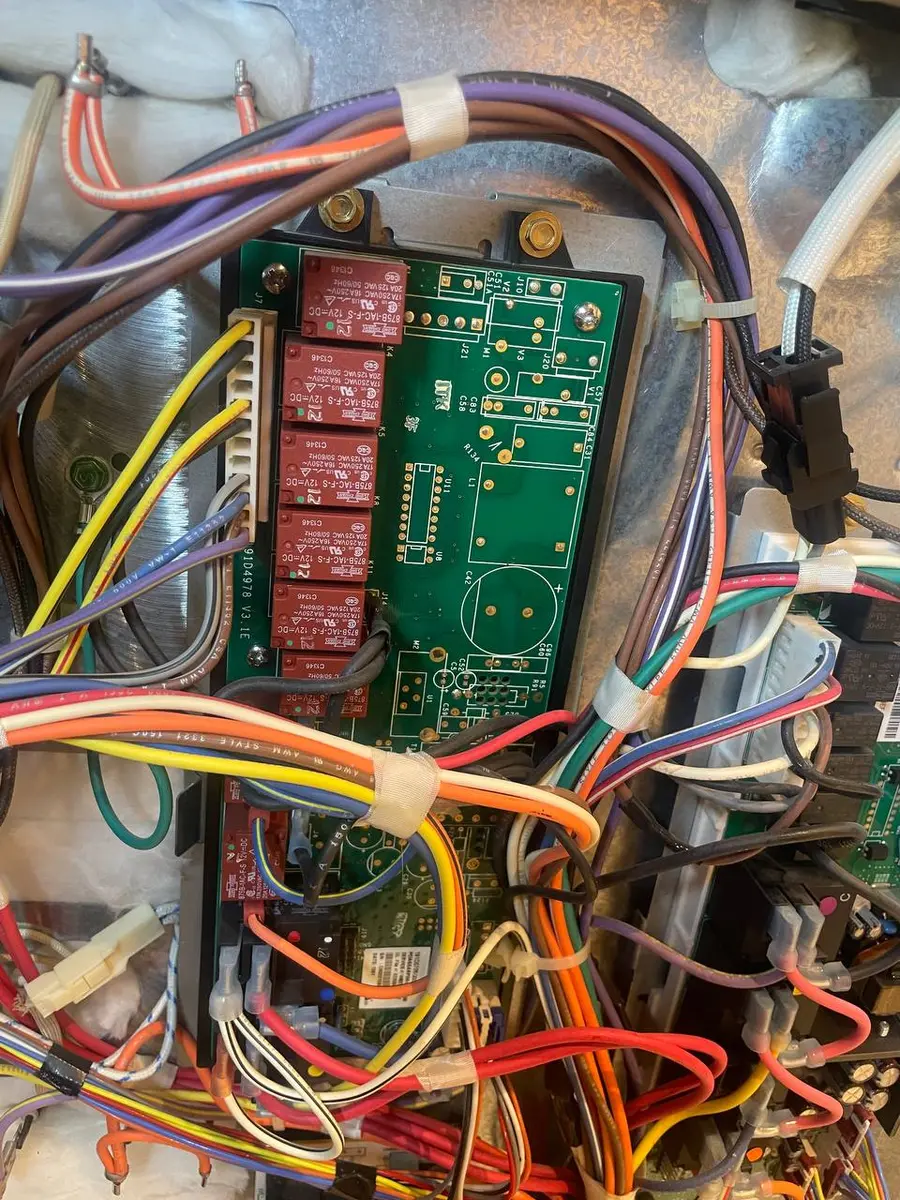
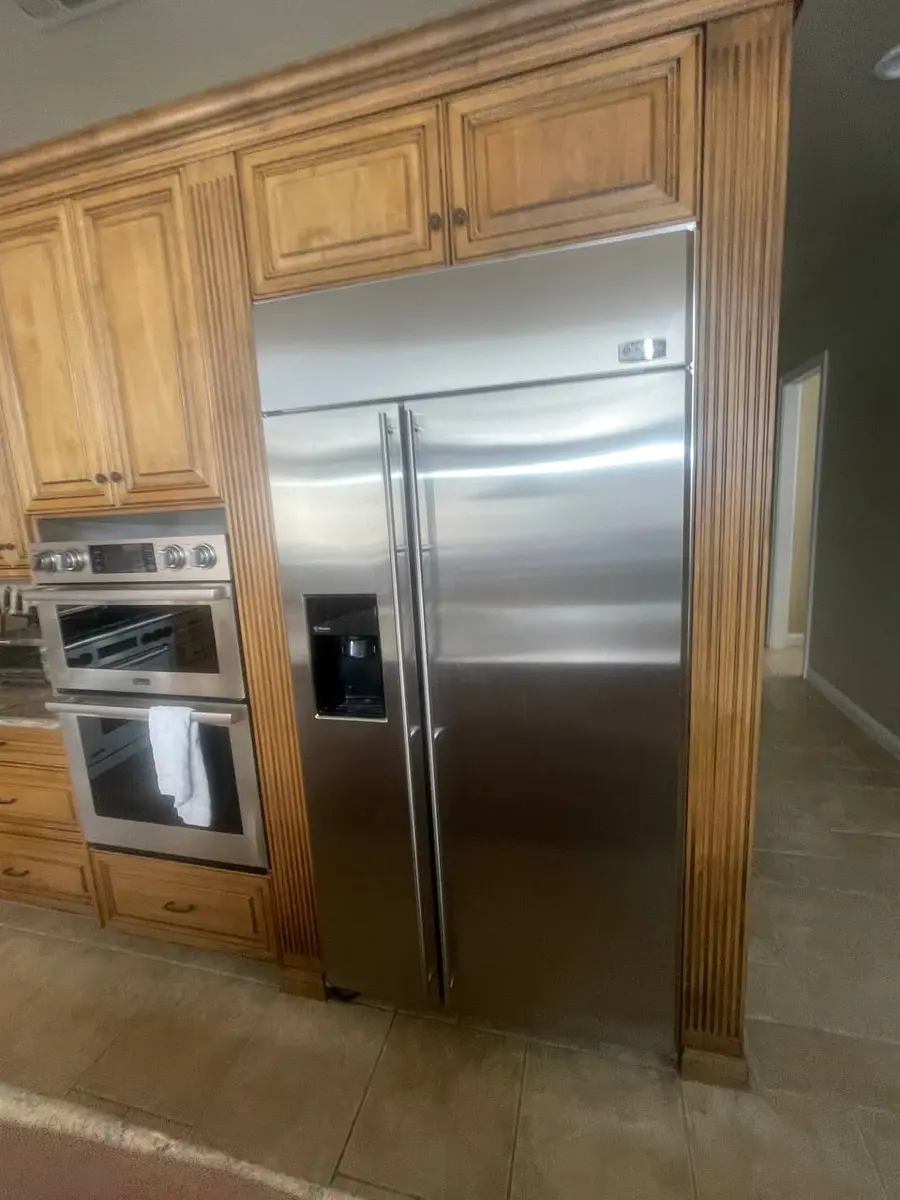
<p>When your <a href="https://www.lg.com/us/support" rel="nofollow noopener" target="_blank">LG refrigerator</a> starts showing signs of leaking water, it can be frustrating and disruptive to your daily routine. LG refrigerators have specific engineering characteristics that make their failure modes different from other brands — understanding these differences is essential for accurate diagnosis. This comprehensive guide covers the most common causes specific to LG models, detailed step-by-step troubleshooting procedures that you can perform safely at home, and clear guidance on when professional repair is the right choice. Whether your unit is a recent purchase or has been running reliably for years, the diagnostic approach matters more than guesswork when it comes to appliance repair.</p>
<h2>Quick Answer</h2>
<p>The most common reasons for a LG [refrigerator leaking water](/blog/refrigerator-leaking-water) are: Clogged defrost drain, Water filter housing crack. In most cases, this issue can be diagnosed at home before deciding whether to call for professional repair. Start by checking the simplest possibilities first — power supply, settings, and any visible obstructions — before moving to component-level diagnosis.</p>
<h2>Understanding LG Refrigerator Leaking Water Issues</h2>
<p>LG designs its refrigerators with specific component choices and engineering approaches that affect how leaking water problems develop and present. Unlike generic appliance guides that offer one-size-fits-all advice, diagnosing a LG unit requires understanding the brand's architecture. The components, control boards, and mechanical systems in LG refrigerators use proprietary designs that may behave differently during failure than those in competing brands. Knowing which LG-specific components to inspect first saves significant diagnostic time and prevents replacing parts that are not actually faulty.</p>
<h2>Safety Precautions Before You Begin</h2>
<p>Before performing any troubleshooting on your LG refrigerator:</p>
<ul>
<li><strong>Disconnect power</strong> — unplug the appliance or turn off the circuit breaker. For hardwired units (common with LG built-in models), the breaker is the only safe disconnect method.</li>
<li><strong>Shut off water supply</strong> if applicable — close the angle stop valve or saddle valve behind or beneath the unit.</li>
<li><strong>For gas appliances</strong> — turn off the gas supply valve. If you smell gas at any point, leave the area immediately and call your gas utility provider before attempting any diagnosis.</li>
<li><strong>Use proper tools</strong> — LG appliances frequently use Torx fasteners rather than Phillips screws. Having a set of Torx drivers (T15, T20, T25) prevents stripped screw heads and damaged panels.</li>
<li><strong>Have a multimeter ready</strong> — many LG-specific diagnostics involve testing component resistance and voltage, which requires a basic multimeter ( at any hardware store).</li>
</ul>
<h2>Common Causes of LG Refrigerator Leaking Water</h2>
<p>Based on service data and repair frequency for LG refrigerators, these are the most likely causes ranked by probability. Each cause section includes LG-specific details that differentiate this brand's failure modes from generic appliance issues.</p>
<h3>1. Clogged defrost drain (Most Common)</h3>
<p>LG French Door refrigerators route defrost water through a drain tube in the freezer to a drip pan underneath the unit. Food particles, ice fragments, and mineral deposits clog this drain. Water backs up into the freezer bottom, eventually overflowing onto the floor. This is the number one cause of LG refrigerator leaks.</p>
<p>Our field data from LG repairs confirms defrost drain drives most complaints of this nature that we diagnose.</p>
<p>This ranks as one of the primary causes of leaking water in LG refrigerators. If your unit is exhibiting this symptom, inspect this component first before proceeding to less common causes. A professional technician can confirm this diagnosis quickly with the right tools and typically resolve it in a single service visit.</p>
<h3>2. Water filter housing crack (Most Common)</h3>
<p>LG refrigerators with internal water filters (LT1000P and LT800P types) have a plastic filter housing that can crack from over-tightening during filter changes or from thermal cycling. Water drips slowly from the housing into the fresh food section and pools under the crisper drawers.</p>
<p>This ranks as one of the primary causes of leaking water in LG refrigerators. If your unit is exhibiting this symptom, inspect this component first before proceeding to less common causes. A professional technician can confirm this diagnosis quickly with the right tools and typically resolve it in a single service visit.</p>
<h3>3. Defrost drain pan overflow</h3>
<p>The drip pan beneath LG refrigerators relies on condenser fan airflow to evaporate collected water. If the condenser fan fails or coils are heavily blocked, evaporation slows and the pan overflows. The pan is not typically accessible without pulling the unit away from the wall.</p>
<h3>4. Water inlet valve drip</h3>
<p>The water inlet valve at the rear bottom of LG refrigerators (AJU75152601) can develop slow leaks from worn internal diaphragm seals. Water pools beneath the unit near the rear — often not visible until significant water has accumulated.</p>
<h2>Step-by-Step Troubleshooting</h2>
<p>Follow these steps in order to diagnose the issue with your LG refrigerator. Each step builds on the previous one, narrowing down the root cause systematically. Do not skip steps — ruling out simpler problems first prevents unnecessary part purchases and wasted time on unlikely causes.</p>
<ol>
<li><strong>Clear the defrost drain:</strong> Remove the rear panel inside the freezer (typically 4-6 Phillips screws). Locate the drain hole at the bottom of the evaporator housing. Flush with warm water using a turkey baster until water flows freely into the drip pan below.</li>
<li><strong>Inspect the water filter:</strong> Remove the water filter and check the housing for cracks. Reinstall ensuring the filter clicks and locks fully. Replace the filter if it has been installed more than 6 months (LG recommends every 6 months for LT1000P).</li>
<li><strong>Check drip pan:</strong> Pull the refrigerator away from the wall. Remove the rear kick plate and locate the drip pan. If overfull, empty it and check that the condenser fan is spinning when the compressor runs.</li>
<li><strong>Identify leak location:</strong> Place paper towels at the front, sides, and rear of the unit. Check after 12-24 hours. Front leak = defrost drain or internal condensation. Rear leak = inlet valve or supply line. Side leak = door gasket or filter housing.</li>
</ol>
<p>If you have completed all steps above without identifying the cause, the issue may involve a component that requires professional diagnostic equipment to test. Internal control board failures, sealed system problems, and intermittent electrical faults often cannot be diagnosed with basic home tools.</p>
<h2>When Should You Call a Professional?</h2>
<p>Call a professional if the defrost drain clogs repeatedly within weeks (may need a permanent drain line heater installation), if you see oily residue near copper tubing (<a href="https://www.epa.gov/section608" rel="nofollow noopener" target="_blank">refrigerant</a> leak), or if water appears at the rear from the sealed system area.</p>
<p>EasyBear technicians serving [Sacramento](/sacramento/sacramento) and the Bay Area carry LG-specific diagnostic tools and OEM replacement parts on every service call, eliminating the need for a second visit. A professional diagnosis confirms the exact failing component before any money is spent on parts, which is particularly important for LG appliances where proprietary components can be expensive.</p>
<h2>How Much Does This Repair Cost?</h2>
<p> for thermostat; for door gasket; for water inlet valve; for defrost board</p>
<p>These estimates include parts and labor for a single service visit. Actual costs may vary based on your specific LG model, the age of the unit, and regional labor rates. Getting a professional diagnosis upfront prevents unnecessary part replacements and saves money in the long run. Always ask for a written estimate before authorizing any repair work, and verify whether your LG appliance is still under the manufacturer's warranty — LG warranty terms vary by component and model series.</p>
<h2>Related LG Error Codes</h2>
<p>If your LG refrigerator is displaying an error code alongside the leaking water symptom, here are the most commonly associated codes. Error codes narrow the diagnosis significantly and help your technician prepare the correct replacement parts before arriving:</p>
<ul>
<li><strong>dH</strong> — check your LG refrigerator display panel for this code and note whether it appears constantly or intermittently</li>
<li><strong>FF</strong> — check your LG refrigerator display panel for this code and note whether it appears constantly or intermittently</li>
<li><strong>IS</strong> — check your LG refrigerator display panel for this code and note whether it appears constantly or intermittently</li>
</ul>
<p>If your LG refrigerator displays an error code not listed above, record the exact code and contact a qualified technician. Some codes indicate conditions that require immediate attention, such as overheating, water leaks, or electrical faults.</p>
<h2>Which Parts Are Commonly Associated with This Problem?</h2>
<p>The following LG parts are most frequently replaced when resolving leaking water on this appliance type:</p>
<ul>
<li>ADP73955504 (drain trough)</li>
<li>AJU75152601 (water inlet valve)</li>
<li>ADQ74793504 (water filter)</li>
<li>MCR66932901 (door gasket)</li>
</ul>
<p>When ordering replacement parts for your LG refrigerator, always verify the exact model number on the serial plate (usually inside the door frame or on the rear panel) to ensure compatibility. LG part numbers sometimes vary between production years even for the same model designation. Using the wrong part can cause additional damage or create a safety hazard.</p>
<h2>Frequently Asked Questions</h2>
<h3>Why is my LG refrigerator leaking water from the bottom?</h3>
<p>The most common cause is a clogged defrost drain tube inside the freezer. Water from the defrost cycle cannot drain to the drip pan, pools in the freezer bottom, and eventually overflows onto the floor. Remove the rear freezer panel and flush the drain with warm water.</p>
<h3>How do I unclog LG refrigerator defrost drain?</h3>
<p>Remove the rear panel inside the freezer (4-6 Phillips screws). Locate the drain hole at the bottom of the evaporator coil housing. Use a turkey baster to flush warm water through the drain until it flows freely. On stubborn clogs, use a flexible pipe cleaner to break up the ice blockage first.</p>
<h3>How often should I replace LG refrigerator water filter?</h3>
<p>LG recommends replacing the water filter (LT1000P, LT800P, or LT120F depending on model) every 6 months. A clogged filter restricts water flow to the ice maker and dispenser, and an overdue filter can develop bacteria. The filter indicator on the display turns red when replacement is due.</p>
<h2>Repair vs. Replace: Is It Worth Fixing?</h2>
<p>As a general rule, if the repair cost is less than 50% of the replacement cost and the LG refrigerator is less than 8-10 years old, repair is the better investment. LG appliances are generally well-built and a single component failure does not indicate the end of the unit's useful life. However, if the unit is experiencing multiple simultaneous failures, or if the failing component is the compressor or main control board on a unit older than 10 years, replacement may make more financial sense. A qualified technician can assess the overall condition of your LG refrigerator and provide an honest recommendation based on the specific situation.</p>
<h2>How Can You Prevent This with Maintenance?</h2>
<p>Regular maintenance extends the life of your LG refrigerator and helps prevent leaking water issues from developing:</p>
<ul>
<li><strong>Follow LG's maintenance schedule</strong> — each model has specific cleaning and maintenance intervals outlined in the user manual. Adhering to these recommendations prevents the most common failure modes.</li>
<li><strong>Schedule annual professional inspections</strong> — a trained technician can identify wear patterns and component degradation before they cause a complete failure, often saving the cost of emergency service.</li>
<li><strong>Address minor symptoms early</strong> — unusual sounds, smells, or slight performance changes are early warning signs. Fixing a minor issue now prevents a major repair bill later.</li>
<li><strong>Use genuine LG replacement parts</strong> — aftermarket components may not meet LG's specifications and can cause premature failure of related components.</li>
</ul>
<p><em>Still having issues with your LG refrigerator? <a href="/book">Book an EasyBear technician</a> for expert LG [refrigerator repair](/bay-area/services/refrigerator-repair). Our technicians carry OEM parts and LG-specific diagnostic tools on every service call.</em></p>
4.85 (232 verified reviews)
Same-Day Appliance Repair
Fixed or It's Free
Free Service Call & Diagnosis — no hidden fees, offer ends Jun 10
MR
Mike Rodriguez
Senior Appliance Repair Technician · 15 years experience
EPA 608 UniversalNASTeC Certified
EPA-certified technician with 15 years of experience specializing in refrigerator and cooling system repairs.