LG Microwave Fan Motor Replacement
An LG microwave has three separate fans — exhaust, stirrer, and cooling — and replacing the wrong one wastes money. Weak range-hood airflow points to the exhaust fan, uneven heating to the stirrer, and a microwave that shuts off mid-cycle to the hidden cooling fan.
Because each fan does a different job and fails with different symptoms, the first task is not replacement — it is figuring out which fan you actually have a problem with.
The Three Fans#
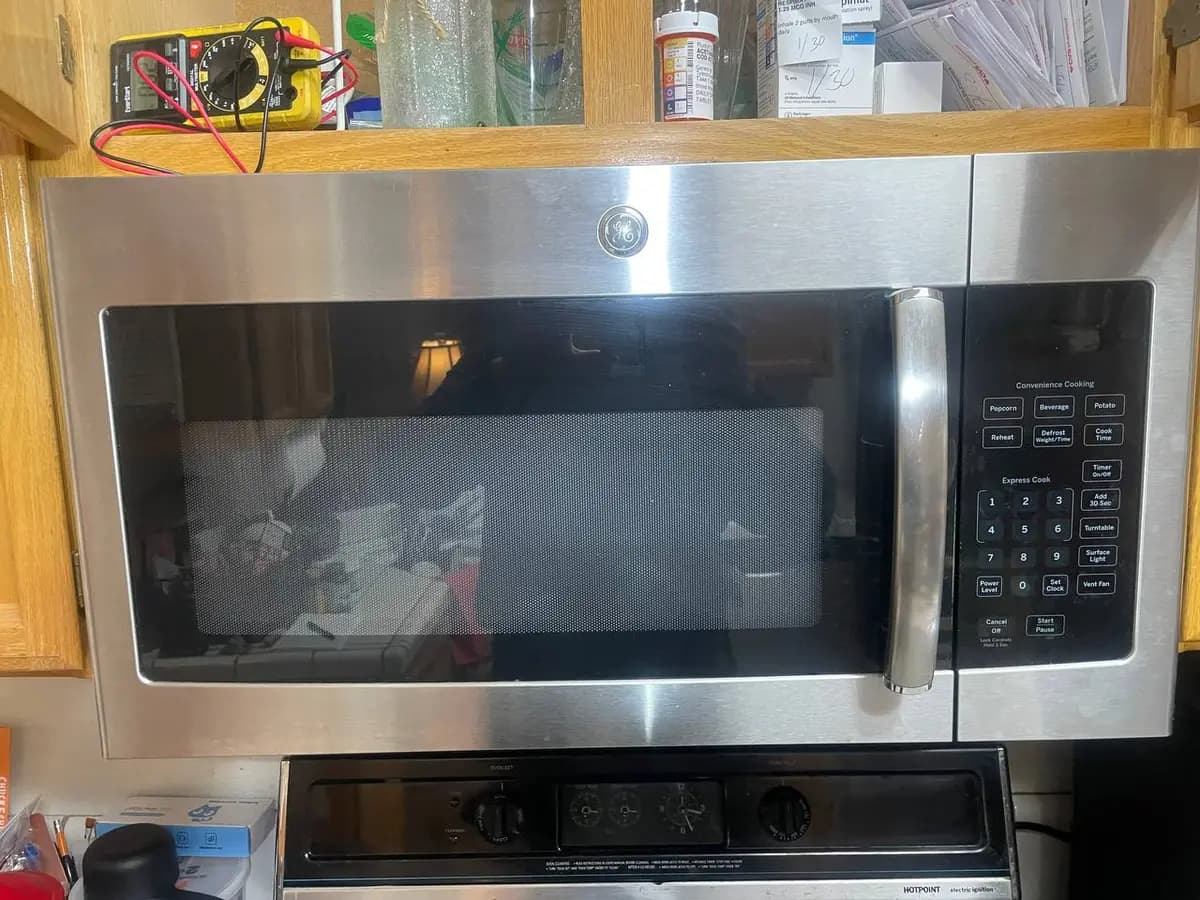
Exhaust fan (over-the-range models only). This is the big, audible fan you start with the Vent High or Low button. It pulls smoke and steam off the cooktop through a grease filter and vents it out or recirculates it. Countertop microwaves do not have one. The LG part is 5209W1A009A.
Stirrer fan (inside the cavity). A small fan or rotating blade at the top of the cooking cavity spreads microwave energy around so food heats evenly; some LG models use a rotating antenna instead. When its motor fails, you get hot and cold spots even though the turntable still turns. The part is EAU62005001.
Cooling fan (magnetron and electronics). This one blows air across the magnetron and control board during cooking and for a few minutes after. Lose it and the magnetron overheats, the thermal cutoff trips, and the oven quits mid-cycle. The part is 6549W1S017A.
Do You Have the Right Tools?
High-voltage capacitor discharge tool ($90), magnetron tester ($200), microwave leakage detector ($150). Our technician arrives with $3,000+ in professional tools — your diagnostic is free.
Licensed & Insured · 90-Day Warranty · Same-Day Service
Symptom to Fan#
| What you see | Likely fan |
|---|---|
| No airflow from the range hood | Exhaust fan, or a clogged grease filter |
| The turntable turns, but food heats unevenly | Stirrer fan or antenna |
| Runs a few minutes, shuts off, works again once cool | Cooling fan |
| Loud grinding from above the cavity | Exhaust or stirrer bearing |
Check the Filter Before the Exhaust Fan#
If range-hood airflow is weak, pull the grease filter on the underside of an over-the-range unit first. A grease-clogged mesh or charcoal filter chokes airflow so badly the fan seems dead when it is spinning fine. Run the fan with the filter out — strong airflow means you just needed to clean or replace the filter, not the motor. If the fan hums but does not spin at all, grease may have jammed the blade or the bearings have seized.
Safety First — Know the Risks
Microwave capacitors store lethal voltage (4,000V+) even when unplugged. This is the single most dangerous DIY appliance repair. Our techs are licensed and insured — let them handle the risk.
Licensed & Insured · 90-Day Warranty · Same-Day Service
The Cooling Fan Is the Critical One#
The cooling fan is the one you cannot see and the one that causes the most confusing failures. Because the unit runs again after 30 to 60 minutes of cooling, the fault looks intermittent — but every restart just overheats the magnetron again. It lives inside the cabinet right by the high-voltage capacitor, so reaching it means opening the shell and discharging that capacitor, which holds a lethal charge even unplugged. This is the fan to leave to a professional.
Replacing the Accessible Fans#
Exhaust fan: on an over-the-range unit, it is reachable from inside the cabinet once the outer cover is off. Unplug the motor connector, remove the mounting screws, and slide the motor and blade out, transferring the blade to the new motor if it is not included.
Stirrer fan or antenna: reach it from the top of the cavity by removing the stirrer cover, usually a snap-fit or a single screw. The motor sits above the cover with a wire connector.
Cooling fan: inside the cabinet by the magnetron — cabinet removal and capacitor discharge required, so this is the professional job.
Tools for the accessible fans: a #2 Phillips, and a 5/16-inch nut driver for the mounting nuts on some models. An insulated screwdriver for capacitor discharge is strictly for the cooling-fan job, which most owners should hand off.
The Real Cost of DIY
Average DIY attempt: $150-400 in tools you may use once, plus the risk of further damage. Our diagnostic visit costs $0 — we find the problem and give you an honest quote.
Licensed & Insured · 90-Day Warranty · Same-Day Service
Why Fans Fail#
Grease is the common enemy. It loads the exhaust blade and clogs the filter, and its vapor drifts onto the stirrer over years. The cooling fan usually fails from ordinary bearing wear, and because its failure quietly cooks the magnetron, catching a microwave that shuts off after a few minutes early can save the far pricier magnetron behind it.
Appliance Repair Technician · 11 years experience
Experienced technician with 11 years specializing in Frigidaire and Electrolux refrigerator and dryer repair with a focus on safety.