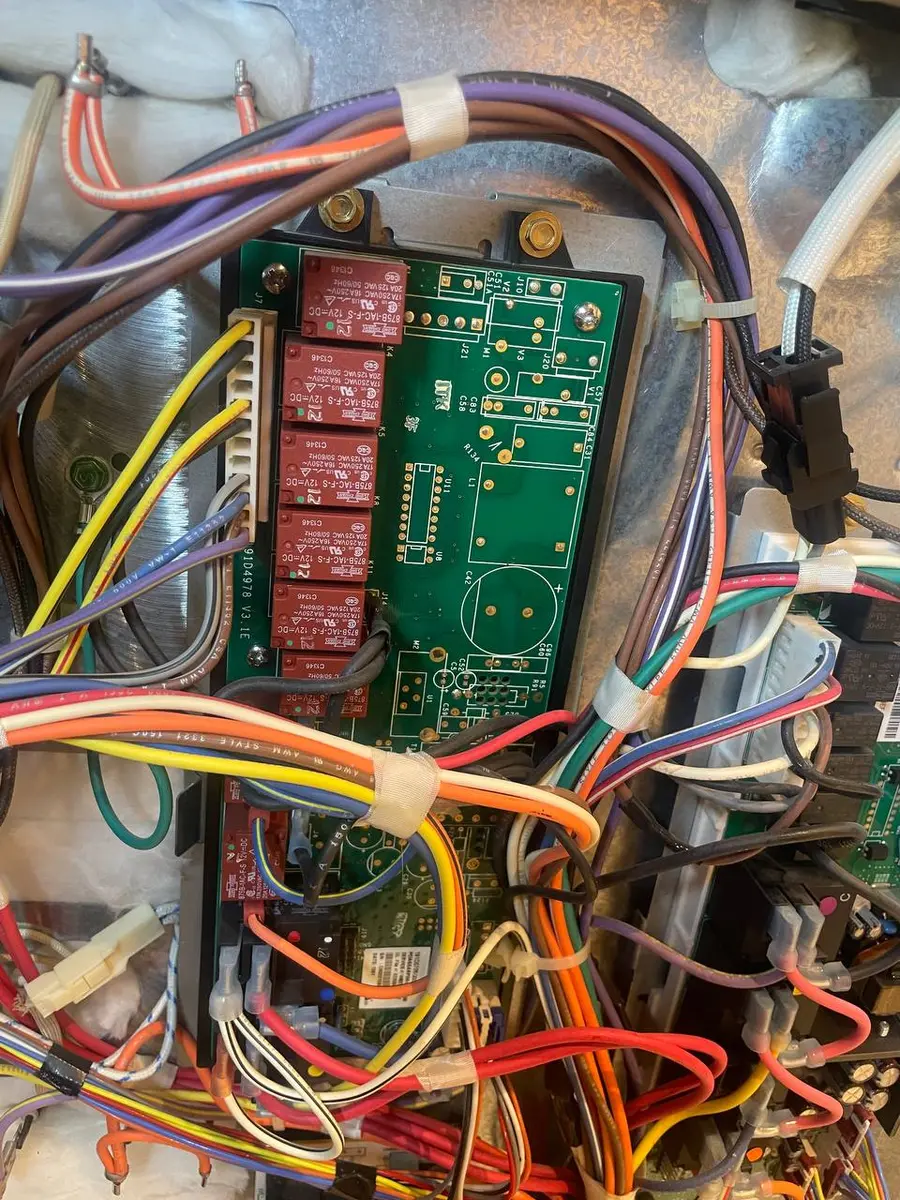
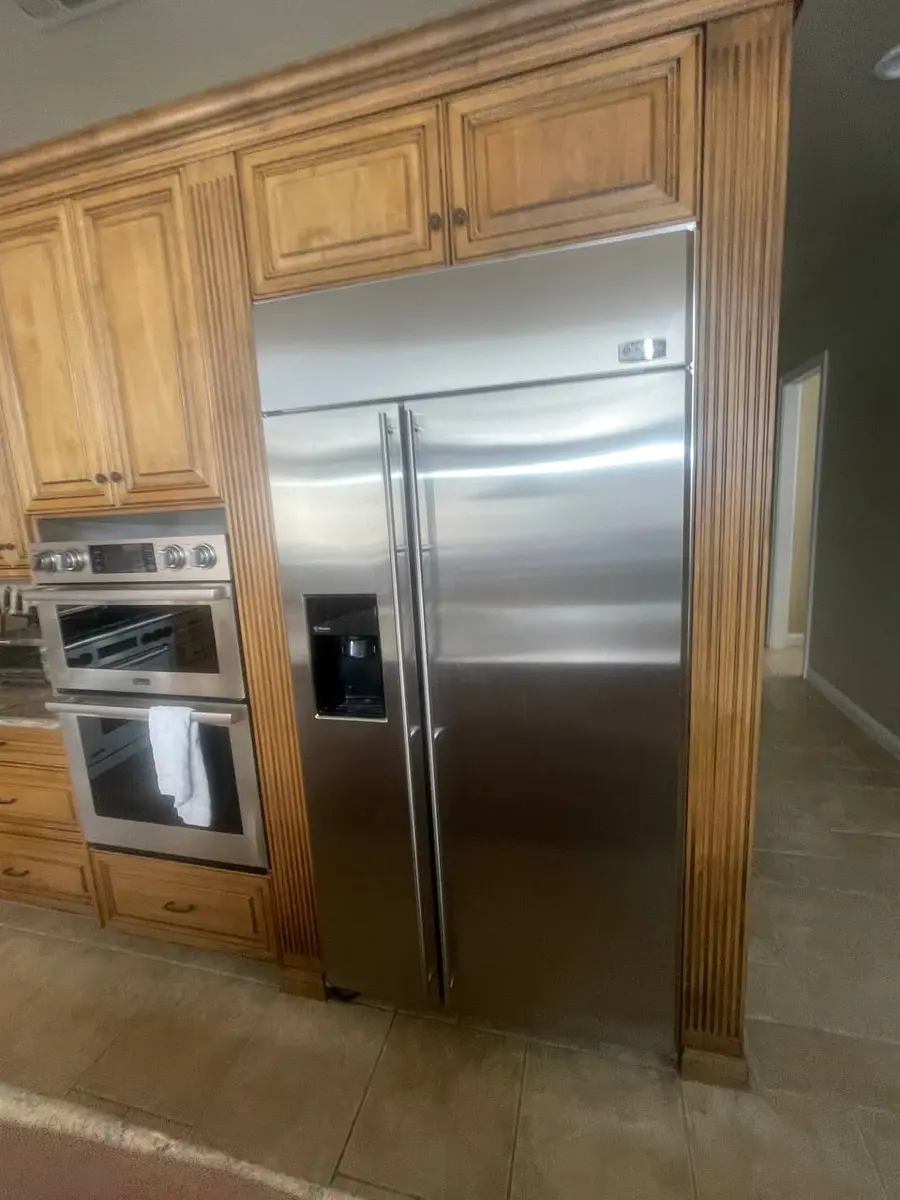
On a KitchenAid refrigerator, the difference between a fast fix and a wasted weekend is knowing the kitchenaid-specific weak points up front. This guide lays them out, shows what you can safely check, and sets a realistic $100–$350 repair expectation.
The short answer: KitchenAid Refrigerator ice maker not working#
Nine times out of ten on KitchenAid, ice maker not working comes down to in-Door-Ice module freeze-up rather than the one-size-fits-all list the generic guides push. The runner-up cause is optic emitter and receiver fault reading, and it presents in a similar way. The other brands rarely fail this way, which is what makes it easy to overlook. A repair here normally lands inside the $100–$350 range in the table below, set by which part has actually failed.
The failure modes below are specific to KitchenAid refrigerators — they are what set KitchenAid apart from the generic ice maker not working checklist.
| Likely KitchenAid-specific cause | How often we see it | Typical repair |
|---|---|---|
| In-Door-Ice module freeze-up on KitchenAid French-door units where the door-mounted maker frosts and stops harvesting | Most likely | $100–350 |
| Optic emitter and receiver fault reading the bin as full so the maker stops filling | Common | $100–350 |
| Water-inlet valve calcification restricting flow to the door ice maker | Common | $100 |
| Ice-box fan and duct icing that lets warm fresh-food air reach the door maker | Possible | $100–350 |
| Harvest-motor gear failure so cubes form but never eject from the door mold | Possible | $100–350 |
Do You Have the Right Tools?
Refrigerant gauges ($200+), vacuum pump ($250), leak detector ($150), and EPA-certified recovery equipment. Our technician arrives with $3,000+ in professional tools — your diagnostic is free.
Licensed & Insured · 90-Day Warranty · Same-Day Service
What you can safely check first#
Run these quick checks before spending on a call-out. Safety first — unplug the refrigerator — then take each item in turn.
- In-Door-Ice module freeze-up. It tends to track the fault closely, so it earns an early look before you move on to anything harder to reach.
- Optic emitter and receiver fault reading. It is easy to spot once you know it is a weak point here; a worn part usually shows visible wear or play.
- Water-inlet valve calcification restricting flow to. On KitchenAid it is the first thing I confirm before ordering a part, since it is quick to rule in or out.
- Ice-box fan and duct icing. Owners miss it because the generic guides never mention it, yet it is one of the more common kitchenaid culprits.
- Harvest-motor gear failure. If this comes back clean you have narrowed the field a lot, and the remaining suspects get easier to isolate.
- Note your exact model before buying anything — the KRFF305ESS, KRMF706ESS, KRSF705HPS, KRFC704FPS units look alike but are not identical under the panel.
Repair cost and when to call an EasyBear technician#
That $100–$350 range covers two very different jobs. A minor culprit such as harvest-motor gear failure is low-cost; the difference is all in access and part price. Parts here are rarely the expensive bit — it is the time to reach them that moves the number, which is why guessing is costly. Once you have run the checks, a lingering fault is worth an EasyBear diagnostic — one visit pins the cause before any money goes on parts.
Senior Appliance Repair Technician · 15 years experience
EPA-certified technician with 15 years of experience specializing in refrigerator and cooling system repairs.