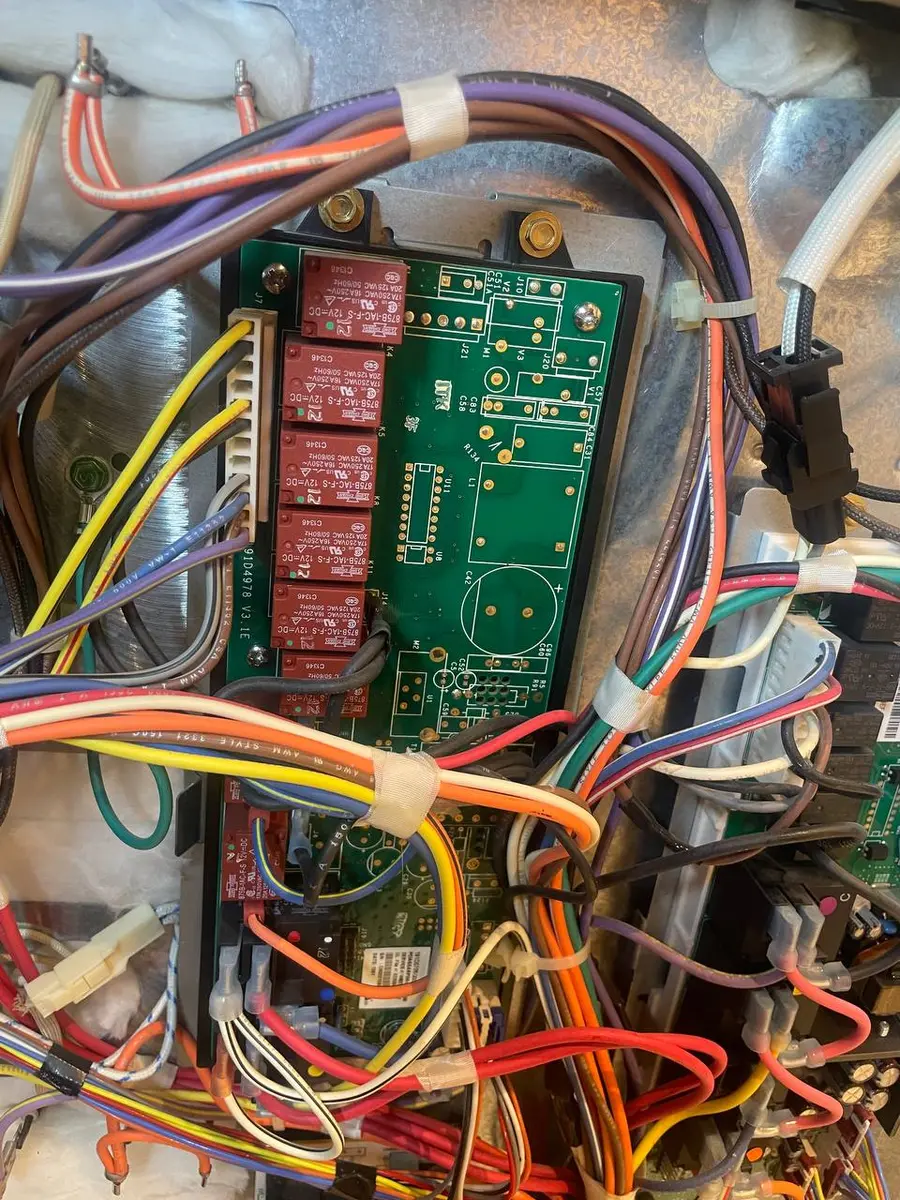
Quick take: A KitchenAid refrigerator control board is worth replacing on units under about twelve years old. The brand runs the Whirlpool board platform, so parts are widely available and competitively priced, and the repair almost always beats a new refrigerator until it crosses the 50% line.
The control board coordinates the refrigerator's core functions — temperatures, defrost cycles, and the display — so a failure can look like anything from warm compartments to a dead panel. Before that variety sends you toward a new fridge, it helps to know how accessible and affordable KitchenAid boards actually are.
The Whirlpool-platform advantage#
KitchenAid refrigerators use the same control-board platform as Whirlpool, which is the single biggest factor in your favor. Parts are stocked broadly, aftermarket suppliers price them competitively, and diagnostic procedures are shared across the two brands. That availability keeps a board repair firmly on the sensible side of the ledger for most of the unit's life.
Verdict by refrigerator age and board bill#
| Fridge age | Modest board bill | Steep board bill |
|---|---|---|
| Under 5 years | Repair | Repair |
| 5 to 12 years | Repair | Weigh it |
| Older than 12 years | Weigh it | Replace |
Where the 50% line falls#
The governing test is simple: once the board repair reaches half the price of a new refrigerator, replacement is the smarter buy. Because KitchenAid boards are competitively priced through the shared platform, that threshold is rarely a concern on a unit under a dozen years old.
| Board repair vs a new fridge | Call |
|---|---|
| Under 50% of new | Repair the board |
| 50% or more of new | Replace the unit |
Run the built-in diagnostic first#
Before condemning the board, let the refrigerator tell you what is wrong. On most KitchenAid models you enter diagnostic mode by pressing the door-alarm button three times within ten seconds; the display then reports stored error codes. The routine is identical to Whirlpool refrigerators, so the same code references apply, and it can pinpoint a cheaper fault before you spend on a board.
If a built-in is not cooling#
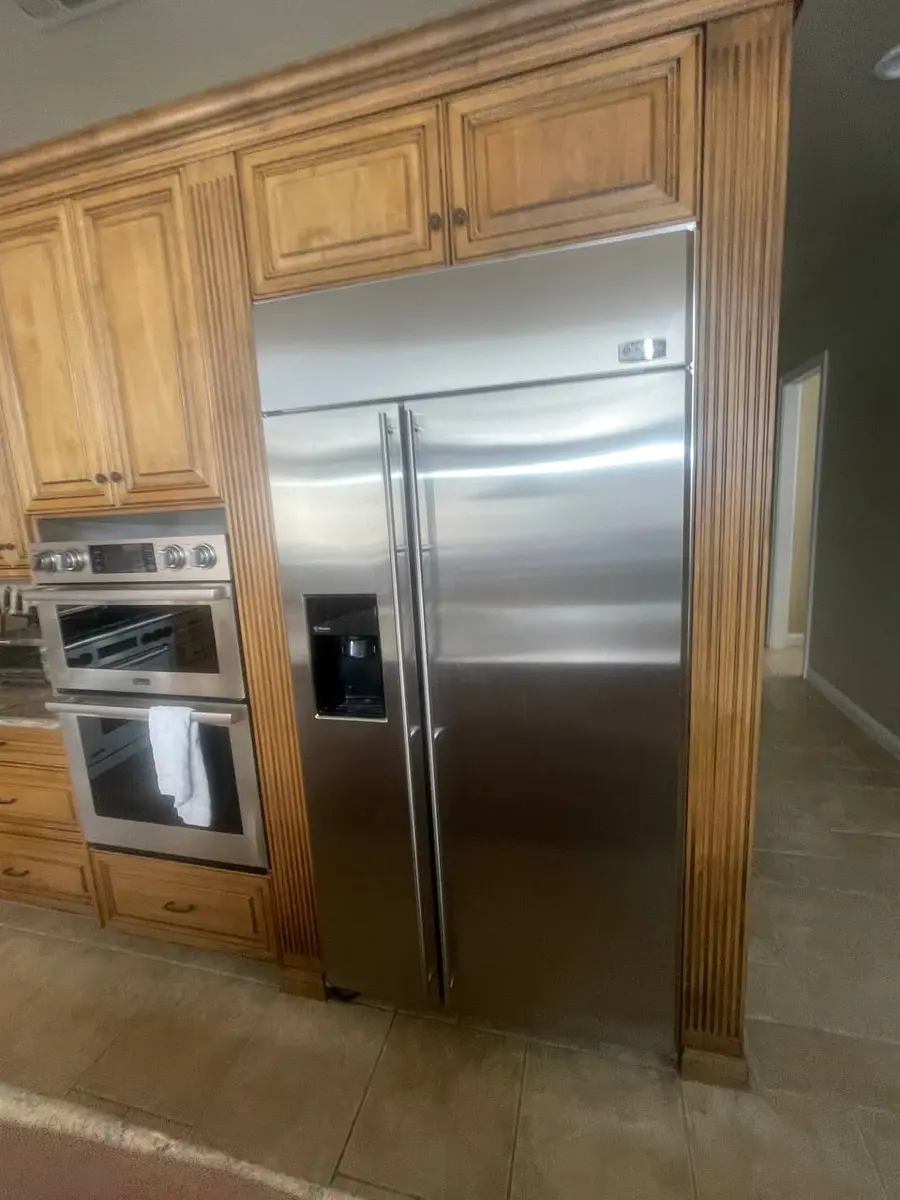
A built-in KitchenAid that runs warm is often a ventilation problem, not a board problem. These units need at least an inch of clearance around the condenser area, and tight cabinetry causes overheating that mimics a control fault. Check the condenser coils for dust at the bottom or rear, inspect the compressor start relay, and look at the inverter board before assuming the main board has failed.
What a new refrigerator costs#
The board quote never tells the whole story. Replacing the refrigerator means scheduling delivery, hauling away the old unit, and often reworking the water line for the dispenser and ice maker, and on a built-in the cabinetry and trim have to accommodate the new box exactly. Add the disposal fees and the hours involved, and a mid-life KitchenAid worth keeping starts to look like the obvious choice.
A board repair keeps all of that off your plate and finishes in one visit. Because the Whirlpool platform makes the part affordable and easy to source, the repair returns far more value than retiring a good refrigerator early — right up until the board bill genuinely rivals half a new unit, which on a fridge under a dozen years old it rarely does. Running the built-in diagnostic first only sharpens that edge, since it can turn a suspected board into a cheaper fix.
Warranty and parts#
Genuine KitchenAid parts cost roughly 10-30% more than generic equivalents, but OEM components ensure correct fit and preserve any coverage. Thanks to the Whirlpool platform, well-priced aftermarket boards are also easy to find, giving owners more than one affordable route back to a working refrigerator.
Appliance Repair Technician · 11 years experience
Experienced technician with 11 years specializing in Frigidaire and Electrolux refrigerator and dryer repair with a focus on safety.