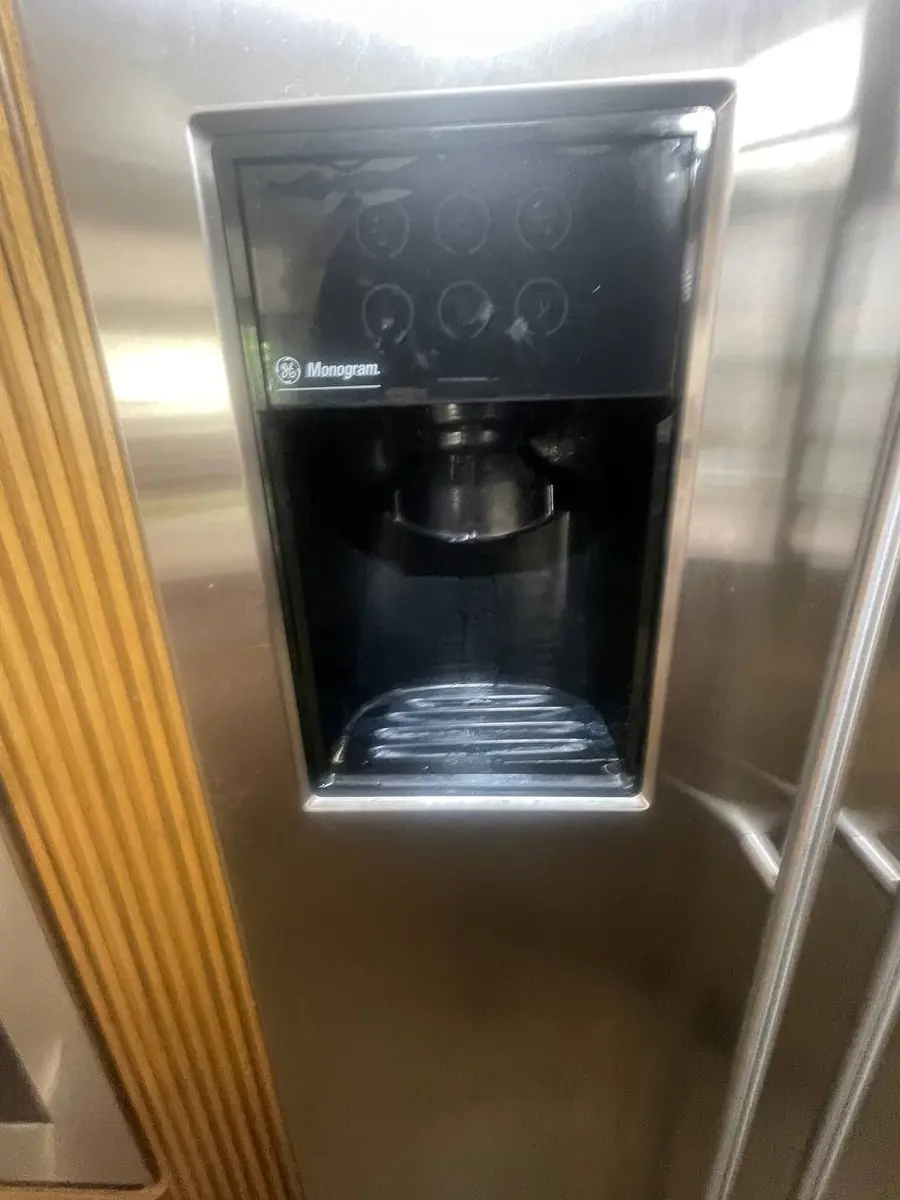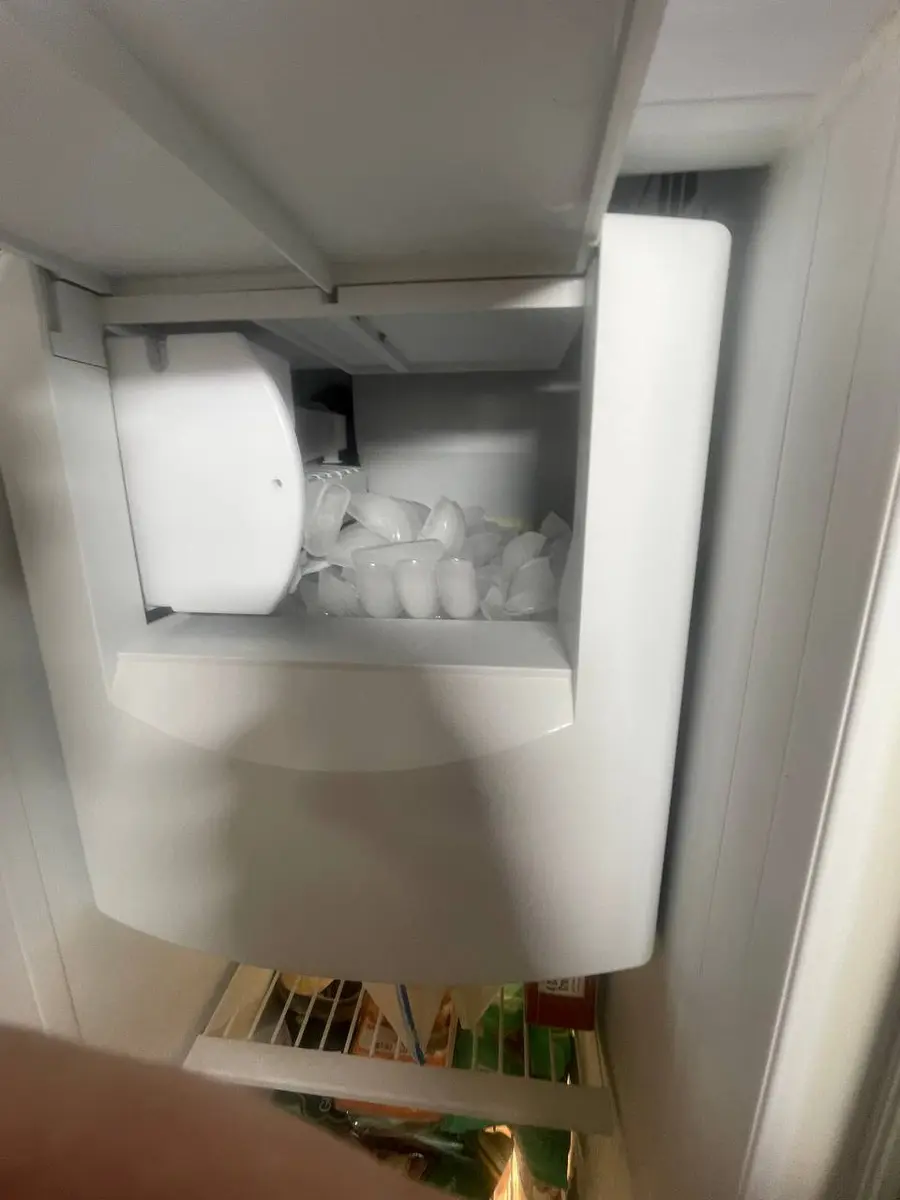
A noisy KitchenAid ice maker is easiest to pin down by timing the noise against the ice-making cycle. A buzz during fill points to the water inlet valve, a grind during harvest points to the ejector motor, a continuous whir or rattle points to the evaporator fan or compressor, and a click as cubes drop is simply normal. Match the sound to the moment and you have your suspect.
Normal Versus Abnormal#
Before troubleshooting, know which sounds belong to normal operation. A quiet, intermittent compressor hum, a rush of water for several seconds during fill, cubes dropping into the bin, and an occasional click during harvest are all normal. What is not normal is a loud buzz lasting more than ten seconds, continuous grinding, squealing or screeching, rapid repeated clicking, a rattle from the compressor area, or the whole unit vibrating against surrounding cabinetry. These KitchenAid standalone and undercounter units use a Whirlpool-designed production module, so the failure points and their sounds are consistent across the line.
Do You Have the Right Tools?
Multimeter ($85), vacuum pump ($250), diagnostic software, and specialized hand tools. Our technician arrives with $3,000+ in professional tools — your diagnostic is free.
Licensed & Insured · 90-Day Warranty · Same-Day Service
The Five Causes#
1. Water Inlet Valve Buzzing (most common)#
The inlet valve buzzes or hums as it opens to fill the mold, and a louder-than-normal buzz means it is straining. The usual cause is low water pressure — the solenoid vibrates as it pulls water through a restricted line — or mineral buildup narrowing the flow path. Confirm the supply carries at least 20 PSI and that the shutoff is fully open with no kinked line. A partially clogged valve screen produces the same buzz, so remove and clean the screen before replacing the whole valve.
2. Harvest Motor Grinding#
The harvest motor turns the ejector blades that push cubes out of the mold, and a grind means worn motor bearings, cubes stuck in the mold blocking rotation, or bent ejector fingers dragging on the mold. If the motor strains during harvest, check whether the mold is overfilling (an inlet-valve issue) or whether soft, not-fully-frozen cubes are sticking because the mold thermostat is releasing them early. Do not ignore it — a seized harvest motor draws excess current that can damage the control board.
3. Evaporator Fan Noise#
These units circulate cold air across the mold with an evaporator fan, and a failing fan bearing produces a whir or squeal that grows louder over weeks. Ice built up on or near the blades makes a scraping or ticking sound as they clip the frost. The fan sits behind an interior panel; access it, check for ice contact, and spin the blade by hand to feel for rough bearings.
4. Compressor Noise#
A failing compressor clicks as its relay tries to start the motor, hums loudly under a locked rotor, or rattles from internal damage, and the start relay can fail on its own to give a repeating click-buzz-click every few minutes. Compressor replacement is the most expensive ice-maker repair, so on a higher-end unit it is worth weighing against the cost of a new one.
5. Vibration and Mounting#
An ice maker that is not level or has loose mounting brackets vibrates against cabinetry, counters, or the wall during compressor runs, giving a rattle or buzz that seems to come from the whole unit. Check leveling with a bubble level, tighten the mounting screws, and make sure no side of the unit is touching an adjacent surface.
Troubleshooting Order#
- Time the noise — fill (inlet valve), harvest (motor), continuous (fan or compressor), or cube drop (normal) — and note whether it is rhythmic or constant.
- Check water pressure — low pressure buzzes the inlet valve; verify at least 20 PSI and a fully open, unkinked supply.
- Inspect the evaporator fan — spin it by hand; it should turn freely without scraping, and check for ice on the blades.
- Look for frost buildup — defrost the unit if frost exceeds about a quarter inch, since it fouls the fan and strains the harvest motor.
- Listen to the compressor — a quiet hum is fine; clicking, sustained loud humming, or rattling means a compressor or relay problem.
- Verify level and mounting — tighten loose brackets and add rubber pads between the unit and cabinetry to damp vibration.
Safety First — Know the Risks
Appliances involve high voltage (120-240V), pressurized water, gas lines, and chemical refrigerants. Over 400 DIY repair injuries are reported yearly. Our techs are licensed and insured — let them handle the risk.
Licensed & Insured · 90-Day Warranty · Same-Day Service
Maintenance That Prevents Noise#
- Clean the inlet valve screen yearly to keep mineral buildup from buzzing the fill cycle.
- Defrost the unit whenever frost exceeds about a quarter inch to prevent fan contact and harvest strain.
- Clean the condenser coils every six to twelve months so the compressor does not run harder and louder.
- Check leveling and mounting yearly, especially after any cabinetry or countertop work.
Which Noises Are Urgent#
Not every abnormal sound needs a same-week repair, and knowing the difference helps you plan. A buzz during fill is annoying but low-risk — the ice maker keeps working while you sort out the water pressure or a clogged screen. A grind during harvest is more urgent, because a straining or seizing motor draws excess current that can take the control board down with it. Continuous compressor clicking without a start means cooling has effectively stopped and the ice supply will dwindle, so treat that as time-sensitive. And any noise that arrives alongside warmer temperatures inside the cabinet or a drop in ice output has crossed from a nuisance into a cooling problem that deserves prompt attention.
The Real Cost of DIY
Average DIY attempt: $150-400 in tools you may use once, plus the risk of further damage. Our diagnostic visit costs $0 — we find the problem and give you an honest quote.
Licensed & Insured · 90-Day Warranty · Same-Day Service
When to Call a Professional#
Cleaning a valve screen, defrosting, and leveling are approachable DIY jobs. Call a technician if the harvest motor grinds and cubes are not ejecting, if the compressor clicks repeatedly without starting, if the evaporator fan bearing has failed, or if the noise comes with reduced ice production or warm temperatures inside the unit — those signal a component that is failing rather than a simple adjustment.
KitchenAid [ice maker making noise](/bay-area/services/ice-maker-noisy)? Book an EasyBear technician for professional diagnosis and repair.
Appliance Repair Technician · 11 years experience
Experienced technician with 11 years specializing in Frigidaire and Electrolux refrigerator and dryer repair with a focus on safety.