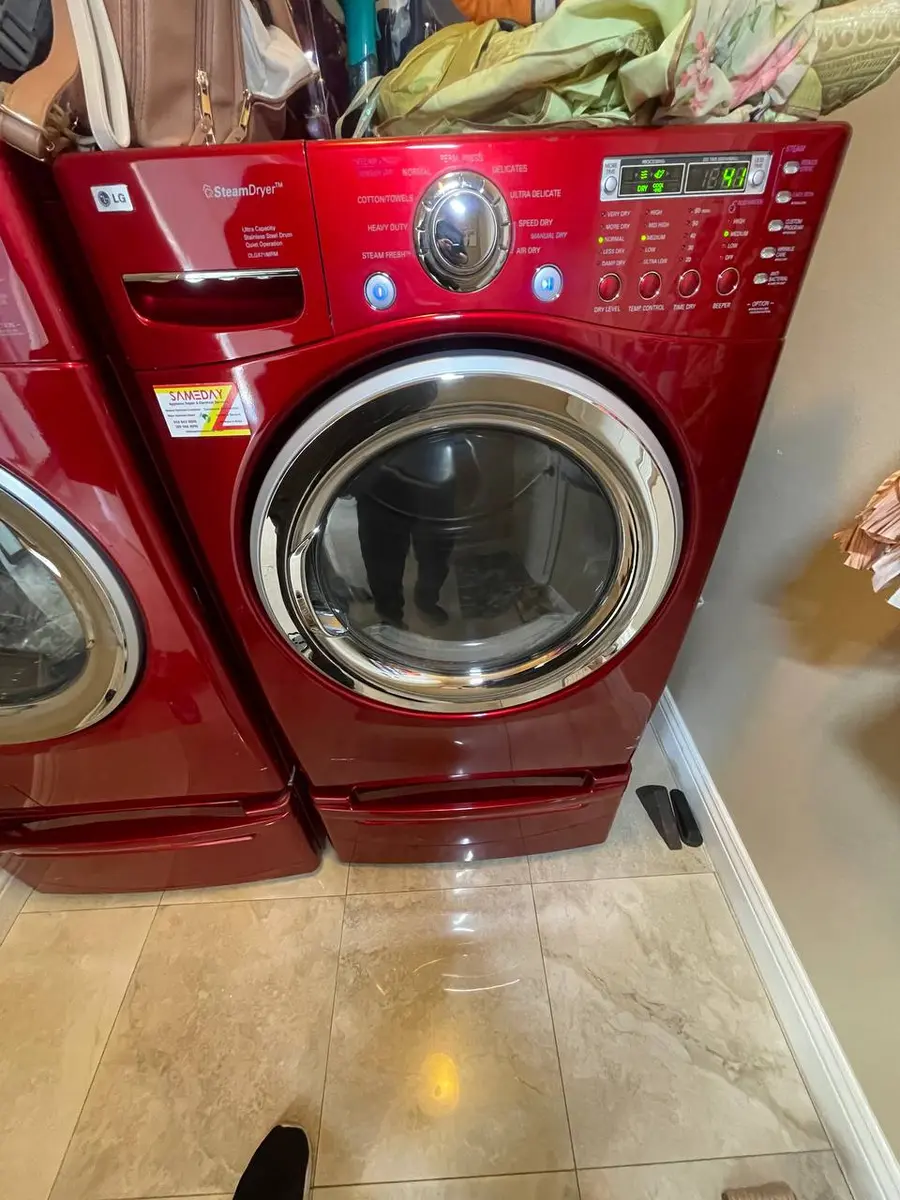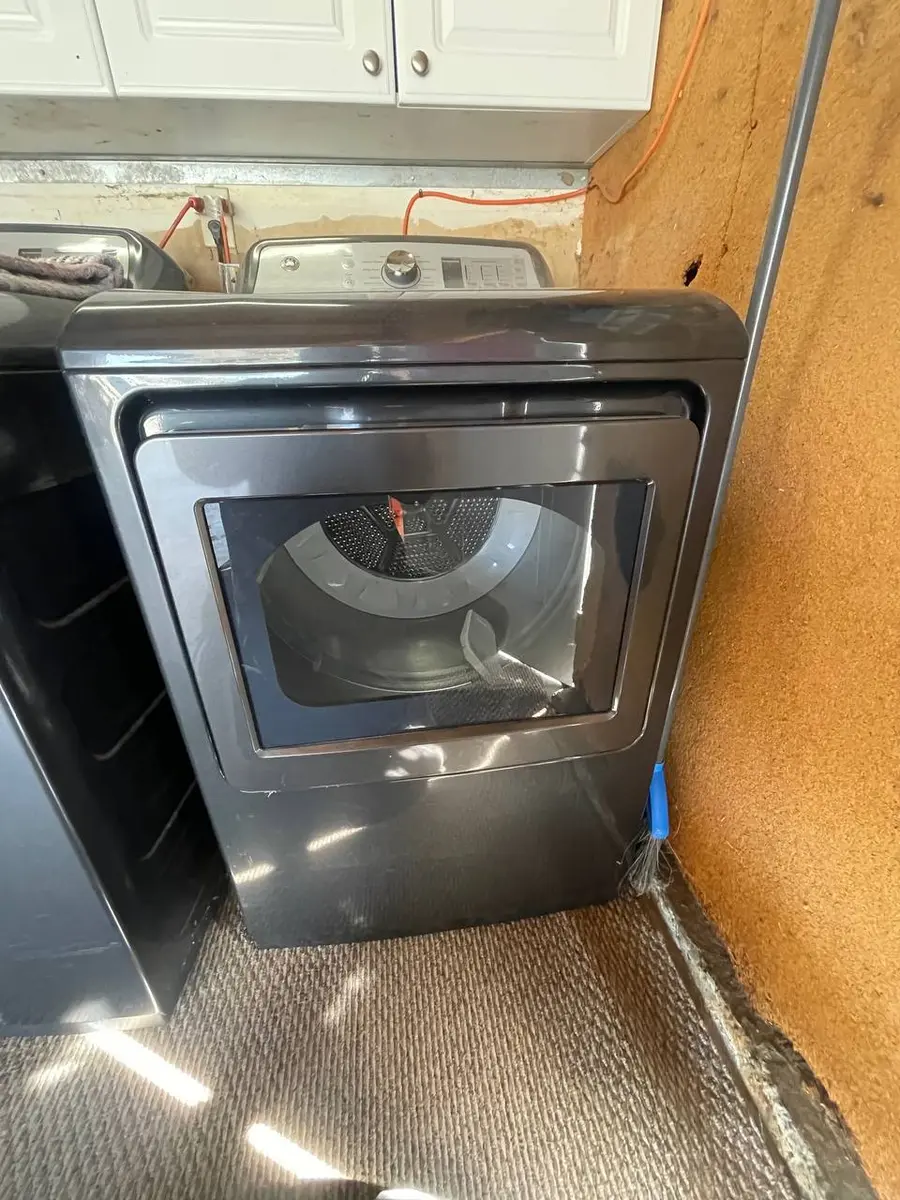
Hotpoint dryer experiencing making noise is one of the most commonly reported service issues for this brand. Hotpoint is manufactured by GE Appliances (Haier). Whether you own a newer model or a unit that is several years old, this guide covers the brand-specific causes, model differences, and repair costs you can expect. Hotpoint is GE's value line — internally identical to GE models with simplified controls. GE parts fit Hotpoint units directly, and repair costs run 10-20% lower than equivalent GE models.
Quick Answer#
Hotpoint dryer making unusual noise is typically caused by worn drum support rollers (thumping), a worn belt or idler pulley (squealing), or loose drum glides (scraping). Identify the noise type: thumping = rollers, squealing = belt/pulley, scraping = drum glides, rattling = foreign objects. Estimated repair cost varies by model and condition.
Do You Have the Right Tools?
Gas leak detector ($130), thermal fuse tester ($95), belt tension gauge, and vent inspection camera ($180). Our technician arrives with $3,000+ in professional tools — your diagnostic is free.
Licensed & Insured · 90-Day Warranty · Same-Day Service
Affected Hotpoint Models#
This issue is commonly reported on these Hotpoint dryer models:
- Hotpoint HTX24EASKWS
- Hotpoint HTX21EASKWW
- Hotpoint HLP141E
What Are the Common Causes?#
1. Worn Drum Support Rollers (35% of cases)#
Drum rollers support the drum as it spins. When worn, they develop flat spots that cause rhythmic thumping — worse with heavier loads. On Hotpoint dryers, there are typically 2-4 rollers. They should spin freely by hand without wobble. Replace all rollers simultaneously to prevent repeat service calls.
Across hundreds of Hotpoint service calls, our technicians identify wear on the primary failure component as the primary culprit when diagnosing making noise.
2. Worn Drive Belt (25% of cases)#
A worn or glazed belt produces a squealing noise during startup that may diminish as the belt warms up. A fraying belt makes intermittent thumping as the frayed section passes over the pulleys. Inspect the belt for cracks, fraying, and glazing (shiny appearance).
3. Worn Drum Glides / Slides (20% of cases)#
Drum glides (also called slides or pads) are plastic or felt pieces at the front of the drum that prevent metal-to-metal contact with the front bulkhead. When worn, they produce a scraping or grinding noise. On Hotpoint dryers, the glides are accessed by removing the front panel.
4. Idler Pulley Bearing Worn (15% of cases)#
The idler pulley maintains tension on the drive belt. When its bearing wears, it produces a continuous squealing or squeaking noise during operation. The noise is constant and doesn't change with load size. The pulley should spin freely without noise when tested by hand.
5. Foreign Object in Drum (5% of cases)#
Coins, buttons, zippers, and other small items can get caught between the drum and the front or rear bulkhead. The noise is usually a scraping or clicking that comes and goes depending on drum position. Check the lint screen housing and felt seal areas.
Safety First — Know the Risks
Gas dryers carry carbon monoxide and explosion risk. Even electric dryers involve 240V circuits that can deliver a fatal shock. Our techs are licensed and insured — let them handle the risk.
Licensed & Insured · 90-Day Warranty · Same-Day Service
Step-by-Step Troubleshooting#
Before starting any troubleshooting on your Hotpoint dryer, disconnect power at the circuit breaker or unplug the unit. For gas appliances, turn off the gas supply valve.
- Identify your exact model: Locate the model number on the serial plate (typically inside the door frame, on the rear panel, or under the lid). This determines exact parts and diagnostic procedures.
- Check for error codes: If your Hotpoint dryer has a digital display, note any error codes shown. These narrow the diagnosis to a specific component.
- Inspect the most likely cause: Based on the causes above, start with the highest-probability component. Visual inspection and listening for unusual sounds during operation often confirm or rule out the cause.
- Test basic components: Check power supply, inspect accessible parts for visible damage, and verify settings are correct.
- Test operation: After addressing any obvious issues, restore power and run a test cycle. Monitor for 10-15 minutes to see if the symptom recurs.
When Should You Call a Professional?#
Contact a certified appliance repair technician if:
- The issue persists after basic troubleshooting
- You notice burning smell, sparking, or electrical damage
- The repair requires accessing gas connections or high-voltage components
- Your Hotpoint dryer is under warranty — professional diagnosis preserves coverage
The Real Cost of DIY
Average DIY attempt: $150-400 in tools you may use once, plus the risk of further damage. Our diagnostic visit costs $0 — we find the problem and give you an honest quote.
Licensed & Insured · 90-Day Warranty · Same-Day Service
Frequently Asked Questions#
Why does my Hotpoint dryer make a thumping noise?#
Rhythmic thumping in a Hotpoint dryer is caused by worn drum support rollers in 90% of cases. The rollers develop flat spots that create a thump with each rotation. The noise gets worse with heavier loads and over time. Replacement of all rollers ( professional) resolves the issue.
Is it safe to use a noisy Hotpoint dryer?#
It depends on the noise. Squealing from a worn belt is safe short-term but the belt will eventually break. Thumping from worn rollers is safe but worsens. Grinding or scraping can indicate metal-to-metal contact that will damage the drum if not addressed. Get it diagnosed before the noise worsens into a more expensive repair.
How much does it cost to fix a noisy Hotpoint dryer?#
Most Hotpoint dryer noise repairs cost : roller replacement belt replacement drum glides. Many repair technicians replace rollers, belt, and idler pulley together (preventive maintenance kit) for avoiding multiple service calls.
Still having issues with your Hotpoint dryer? Book an EasyBear technician for expert Hotpoint [dryer repair](/bay-area/services/dryer-repair). Our technicians carry OEM parts and brand-specific diagnostic equipment on every service call.
Senior Gas Appliance Specialist · 18 years experience
AGA-certified gas appliance specialist with 18 years of experience in residential and commercial oven, range, and cooktop repairs.