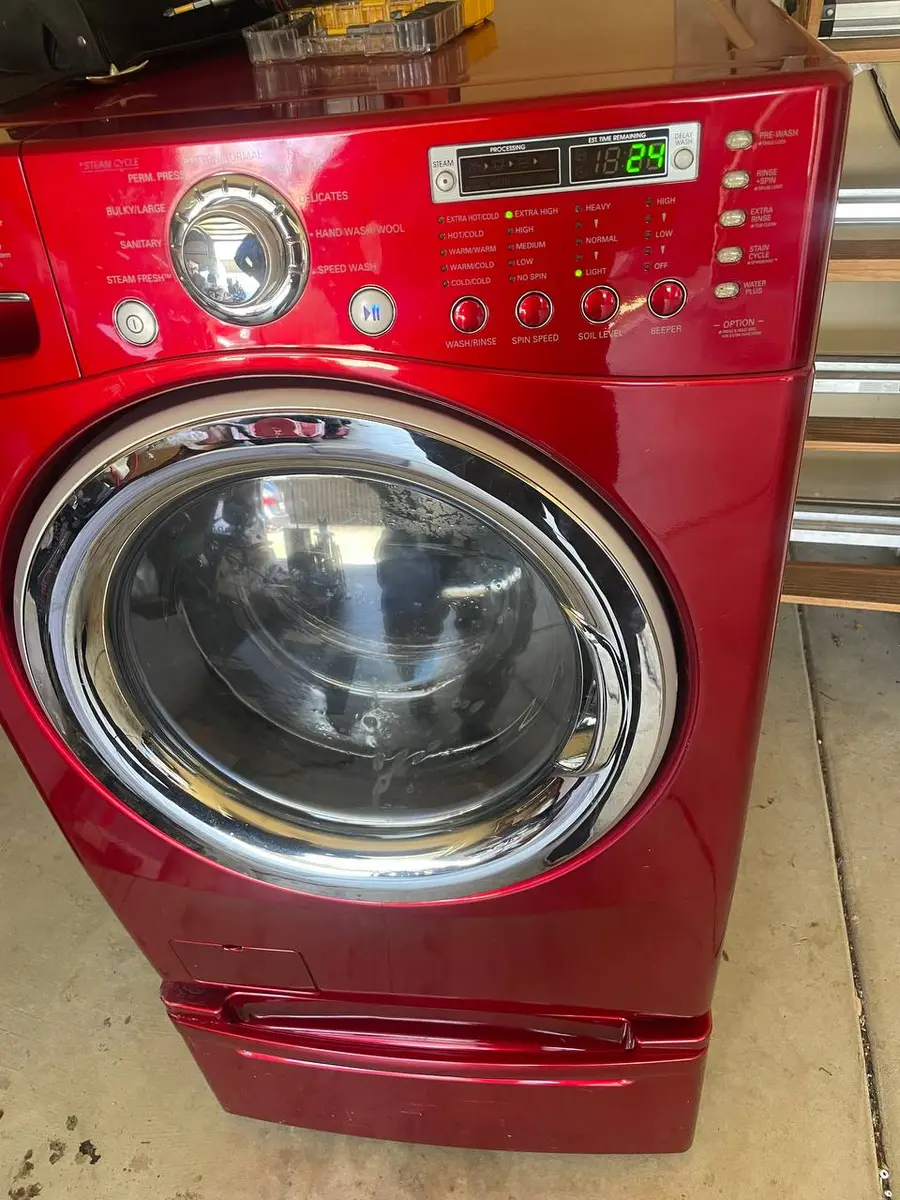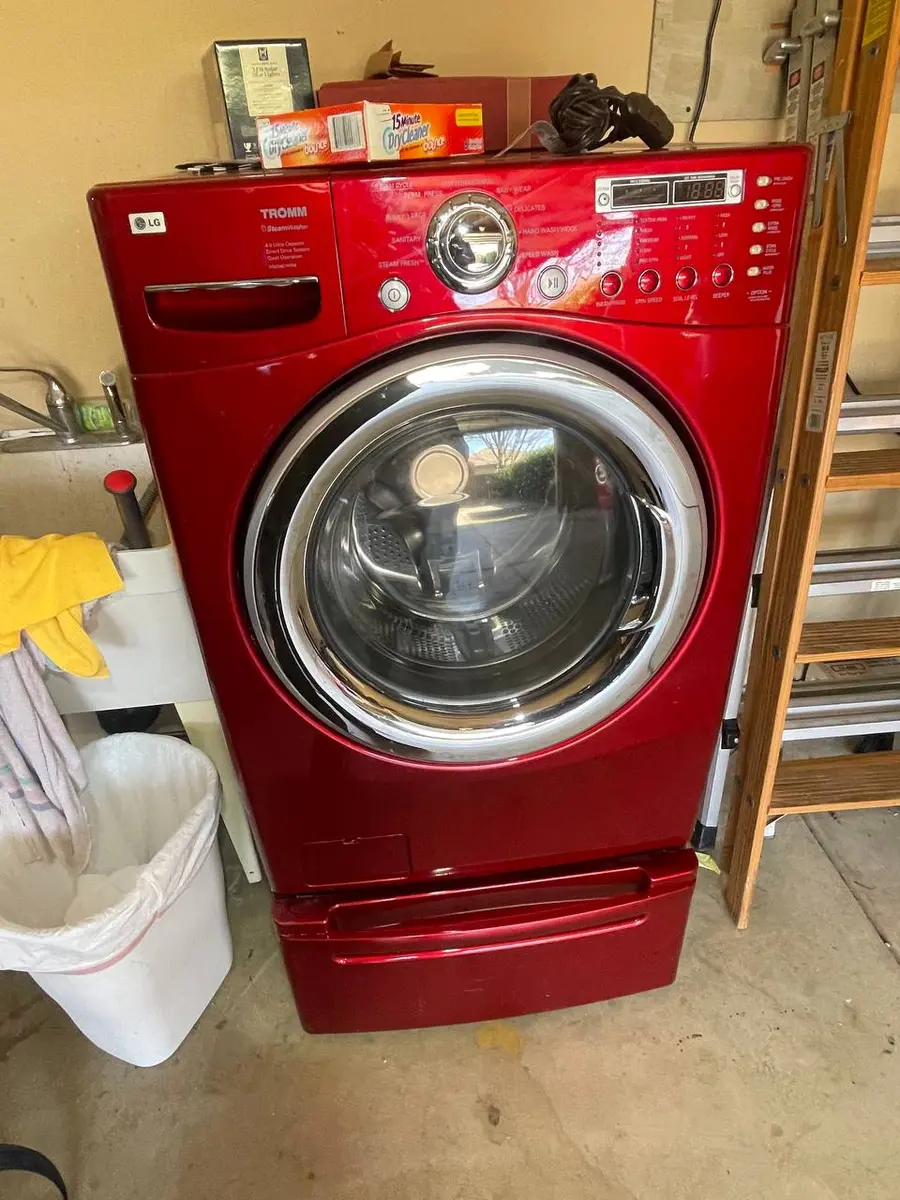
Hisense washer experiencing [washer leaking water](/bay-area/services/washer-leaking) is one of the most commonly reported service issues for this brand. Whether you own a newer model or a unit that is several years old, this guide covers the brand-specific causes, model differences, and repair costs you can expect. Hisense is a Chinese electronics and appliance conglomerate that also owns Gorenje. Their appliances feature modern inverter technology and electronic controls at competitive prices. US parts availability continues to improve through Hisense's growing support network.
Quick Answer#
Hisense washer leaking is most commonly caused by a torn door boot seal (front-loaders), a loose or cracked water inlet hose, or an overflowing detergent dispenser from excess HE detergent. Identify the leak location: front = door boot seal, rear = inlet hoses, underneath = pump or internal hose, from dispenser = detergent overflow.
Do You Have the Right Tools?
Bearing puller set ($120), drum spider wrench ($85), multimeter ($85), and diagnostic software. Our technician arrives with $3,000+ in professional tools — your diagnostic is free.
Licensed & Insured · 90-Day Warranty · Same-Day Service
Affected Hisense Models#
This issue is commonly reported on these Hisense washer models:
- Hisense WFQP9014EVM
- Hisense HWFL1014V
- Hisense WFP8014V
What Are the Common Causes?#
1. Torn Door Boot Seal (30% of cases)#
The door boot seal (bellows) on Hisense front-load washers creates a watertight seal between the door and the tub. Small items like bobby pins, coins, and bra wires get caught in the seal folds and puncture the rubber. Also, mold growth on the boot weakens the rubber over time. On Hisense models like the WFQP9014EVM, the boot is held by two wire spring clamps — inner and outer. Inspect the entire boot by folding back the front lip and checking for tears, especially at the bottom where water pools.
Our field data from Hisense repairs confirms wear on the primary failure component drives most complaints of this nature that we diagnose.
2. Inlet Hose Connection Leak (25% of cases)#
The hot and cold water inlet hoses connect to the back of the washer. Loose connections, deteriorated rubber washers, or cracked hoses cause leaks at the rear. Hisense washers vibrate during spin, which can loosen threaded connections over time. Check both connections at the washer end and the wall valve end. Replace rubber hose washers if they're flattened or cracked. If using rubber hoses, upgrade to braided stainless steel hoses — they last longer and resist burst failure.
3. Detergent Dispenser Overflow (20% of cases)#
Using too much detergent or non-HE detergent in a Hisense HE washer causes excessive suds. The dispenser can't handle the foam volume and water leaks from the dispenser housing or door. The leak appears at the front of the washer near the top. Switch to HE detergent and reduce the amount — most loads need only 1-2 tablespoons. Also clean the dispenser drawer monthly — detergent residue builds up and blocks water flow through the dispenser siphon.
4. Drain Pump Leak (15% of cases)#
The drain pump housing or its connection hoses can develop leaks. On Hisense front-loaders, the pump is at the bottom-front of the machine behind the filter access door. A cracked pump housing, loose hose clamp, or damaged pump seal causes water to leak during the drain and spin portions of the cycle. Remove the lower front panel to inspect — water residue or mineral staining around the pump area confirms the source.
5. Tub-to-Pump Hose Failed (10% of cases)#
Internal hoses connect the tub to the pump and from the pump to the drain. These rubber hoses can develop cracks or their clamps can loosen from vibration. A leak during the wash cycle (not just drain) that appears underneath the washer often traces to a tub-to-pump hose failure. The outer tub itself can also crack at stress points on the bottom, though this is less common on Hisense models due to their plastic tub construction.
Safety First — Know the Risks
High-voltage components and pressurized water lines create flood and shock risk. A single loose fitting can cause thousands in water damage. Our techs are licensed and insured — let them handle the risk.
Licensed & Insured · 90-Day Warranty · Same-Day Service
Step-by-Step Troubleshooting#
Before starting any troubleshooting on your Hisense washer, disconnect power at the circuit breaker or unplug the unit.
- Identify your exact model: Locate the model number on the serial plate (typically inside the door frame, on the rear panel, or under the lid). This determines exact parts and diagnostic procedures.
- Check for error codes: If your Hisense washer has a digital display, note any error codes shown. These narrow the diagnosis to a specific component.
- Inspect the most likely cause: Based on the causes above, start with the highest-probability component. Visual inspection and listening for unusual sounds during operation often confirm or rule out the cause.
- Test basic components: Check power supply, inspect accessible parts for visible damage, and verify settings are correct.
- Test operation: After addressing any obvious issues, restore power and run a test cycle. Monitor for 10-15 minutes to see if the symptom recurs.
When Should You Call a Professional?#
Contact a certified appliance repair technician if:
- The issue persists after basic troubleshooting
- You notice burning smell, sparking, or electrical damage
- The repair requires accessing high-voltage components or internal wiring
- Your Hisense washer is under warranty — professional diagnosis preserves coverage
Repair costs vary by the specific component that needs replacement. A professional diagnostic visit confirms the exact cost before any work begins.
The Real Cost of DIY
Average DIY attempt: $150-400 in tools you may use once, plus the risk of further damage. Our diagnostic visit costs $0 — we find the problem and give you an honest quote.
Licensed & Insured · 90-Day Warranty · Same-Day Service
Frequently Asked Questions#
Why does my Hisense front-load washer leak from the door?#
Door leaks on Hisense front-loaders are caused by a torn door boot seal or excessive suds. Inspect the rubber boot by pulling back the front fold — look for tears, especially at the bottom where small items accumulate. If the boot is intact, you may be using too much detergent. Switch to HE detergent and use the recommended amount. Also check that nothing is blocking the door from fully closing against the boot.
Is a leaking Hisense washer dangerous?#
A leaking washer is a water damage and electrical hazard. Water can damage flooring, subfloor, and adjacent cabinets. If water reaches electrical outlets or the washer's motor area, there's a shock risk. Stop using the washer until the leak is repaired. Place towels around the base and shut off the water supply valves as a temporary measure.
How much does it cost to replace a Hisense washer door seal?#
Door boot seal replacement varies by model and condition for parts and labor. The seal itself is depending on the model. Labor is significant because the front panel and inner clamp must be removed. This is a common repair on front-load washers of all brands — Hisense boot seals are competitively priced compared to premium brands.
Still having issues with your Hisense washer? Book an EasyBear technician for expert Hisense [washer repair](/bay-area/services/washer-repair). Our technicians carry OEM parts and brand-specific diagnostic equipment on every service call.
Senior Appliance Repair Technician · 15 years experience
EPA-certified technician with 15 years of experience specializing in refrigerator and cooling system repairs.