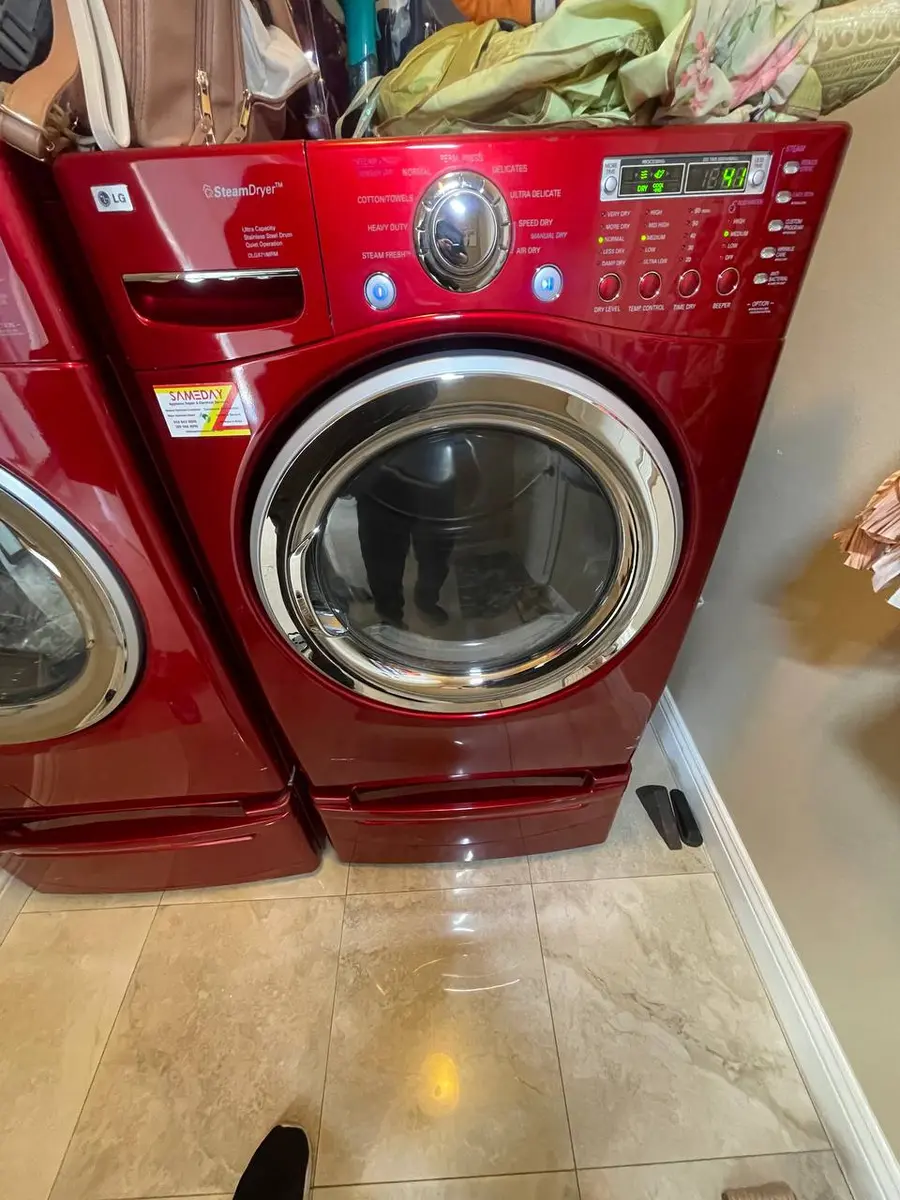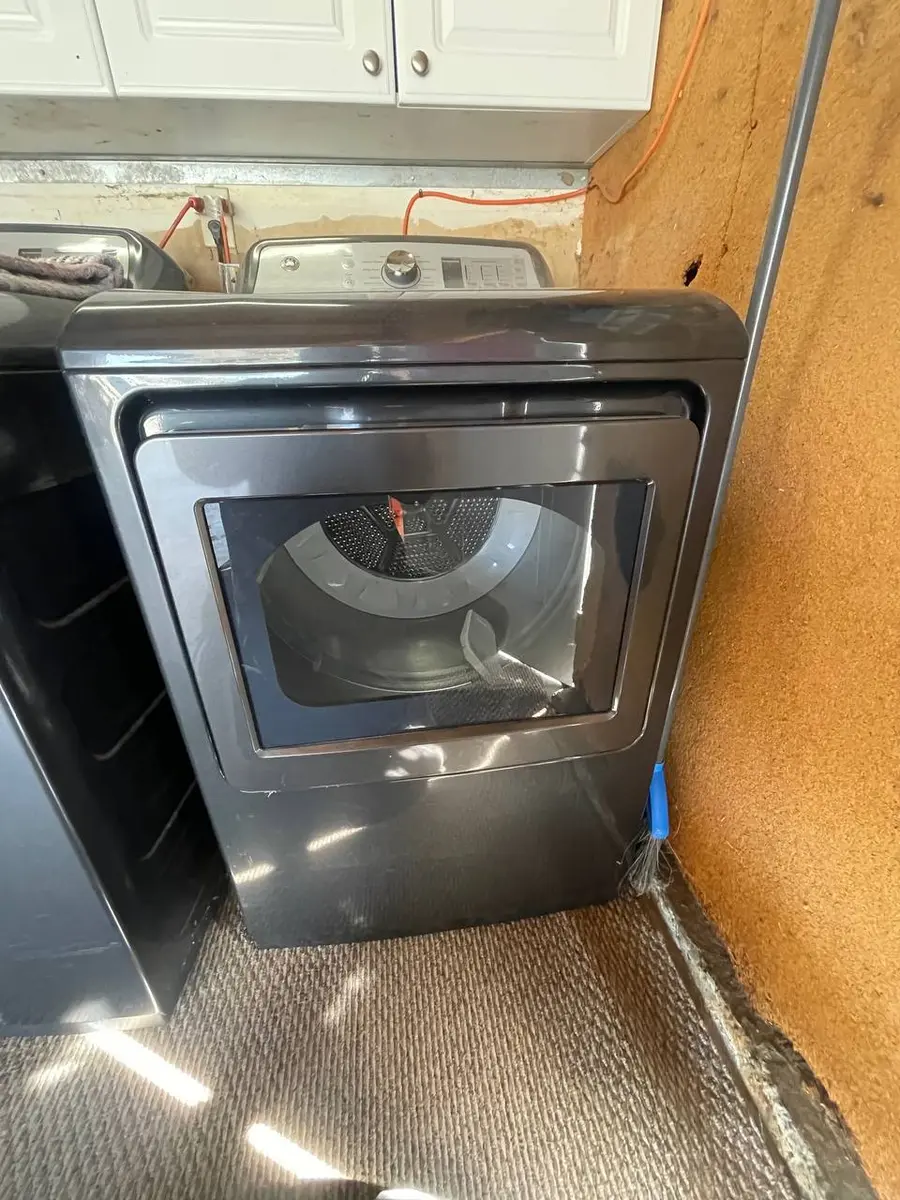
Straight answer: a Frigidaire dryer heating element is inexpensive and nearly always worth replacing — the part pays for itself in restored drying. The 50% rule only enters the picture on an old machine where an unrelated pile of repairs stacks up.
The heating element is one of the cheapest meaningful fixes a Frigidaire dryer owner faces, which makes the repair-or-replace question easy for most people. Below is the age-and-cost frame, the diagnostic that separates a heating fault from an airflow fault, and the maintenance that stops the element failing again.
Element decision by dryer age and repair size#
Find the dryer's age, then the column matching how large the quote is against a new Frigidaire. The columns track the 50% rule, but a bare element almost never reaches the costly end.
| Dryer age | Cheap (under 25% of new) | Middle (25 to 50%) | Pricey (over 50%) |
|---|---|---|---|
| Under 5 years | Repair | Repair | Repair |
| 5 to 8 years | Repair | Repair | Repair |
| 8 to 12 years | Repair | Repair | Weigh it |
| Over 12 years | Repair | Weigh it | Replace |
In one line: replace the element whenever the job stays under 25% of a new dryer, weigh it in the 25 to 50% band, and only step up to a new machine if a rare high quote passes 50% on an already-aging unit.
Why the element is worth it on a Frigidaire#
Frigidaire dryer elements are cheap parts and the swap is routine, so on almost any working dryer the repair returns far more use than it costs. The element sits in a housing behind the rear panel — a few screws off the back, then a couple more off the housing, and it slides out as one assembly. Because the labor is contained and the part is affordable, even a mid-life or older Frigidaire dryer is generally worth the fix rather than a full replacement.
Heat problem or airflow problem?#
Here is the diagnostic that saves money: if the element heats but clothes still come out damp, the fault is airflow, not the element. Look for a clogged lint trap, a kinked or blocked vent hose, or a tired blower wheel before anyone replaces a heating part. A healthy Frigidaire dryer should push exhaust of about 125 to 135 degrees F at the vent exit, so a weak, cool exhaust with a working element points squarely at restricted airflow. Clearing the vent also keeps lint from building up around the element, which is what causes many repeat failures.
What the quote leaves out#
Even a cheap repair deserves the full picture. A new dryer means a delivery window, haul-away, and possibly venting, electrical, or gas adjustments for a different unit. Genuine Frigidaire parts run 10 to 30% above generic ones but fit correctly and hold any remaining coverage. And if a blocked vent overheated the original element, clean the vent line at the same time or the replacement will meet the same fate.
Vent care keeps the fix permanent#
A heating element rarely fails in isolation on a Frigidaire dryer — a restricted vent line is often the real reason it burned out, because trapped heat cooks the element and its thermostats. So the repair is only half done if the venting is left alone. Clean the lint trap every load, and pull and vacuum the full exhaust run at least once a year, checking that the flap at the wall outlet opens freely. A blocked vent not only shortens the life of the new element, it lengthens every drying cycle and adds a fire risk that no replacement part removes. Treat the element swap and a vent cleaning as one job and the fix will hold.
Not certain whether it is the element or the airflow? A quick professional diagnosis pins it down and prices the exact part for your model.
Appliance Repair Technician · 11 years experience
Experienced technician with 11 years specializing in Frigidaire and Electrolux refrigerator and dryer repair with a focus on safety.