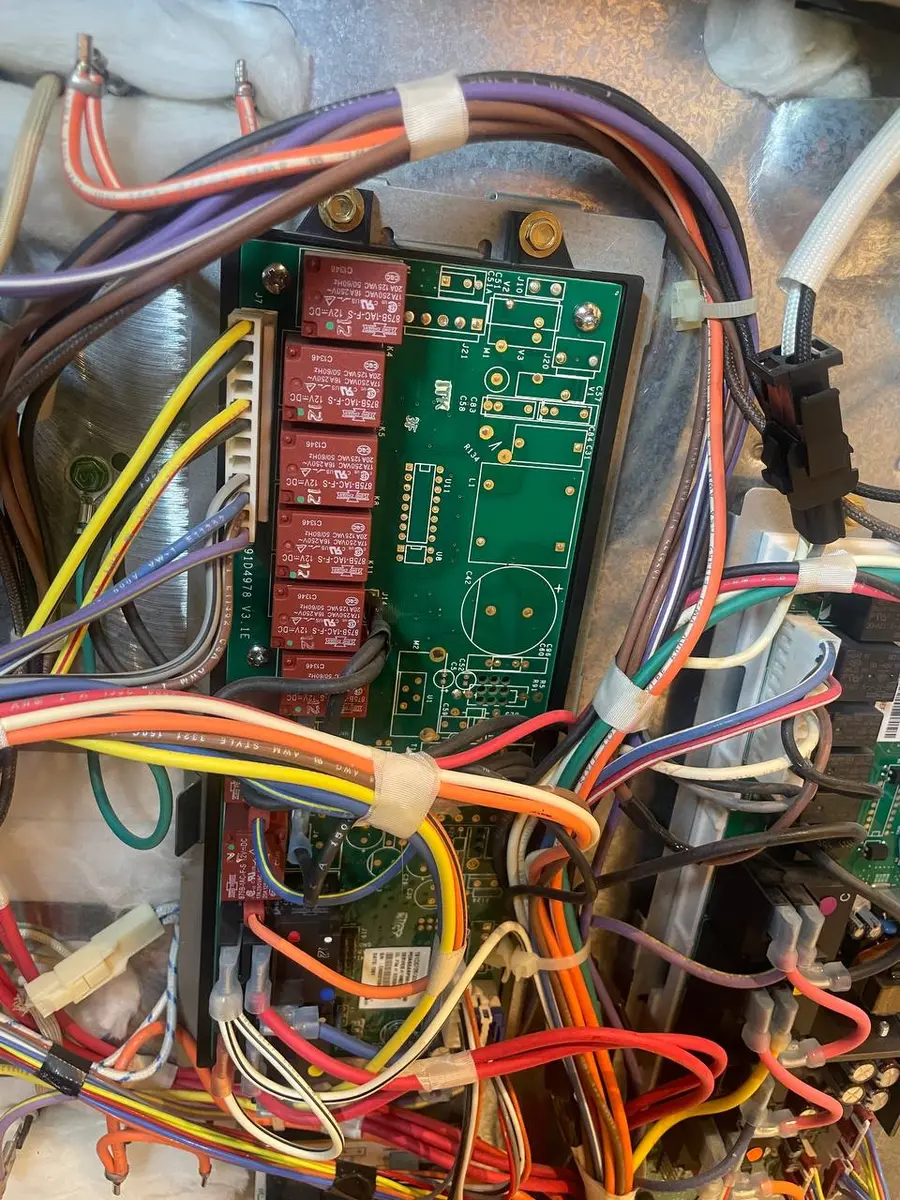
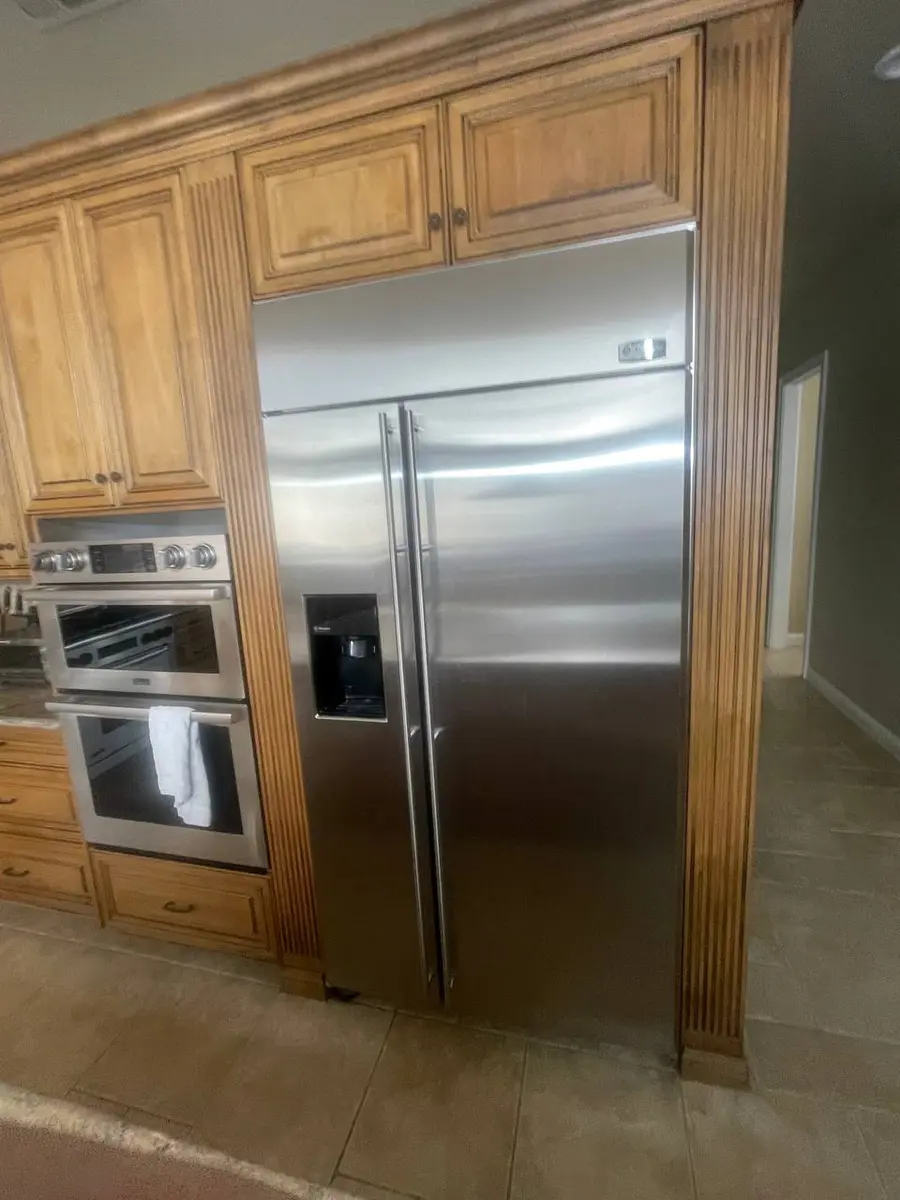
<p>Beko refrigerator experiencing making noise is one of the most commonly reported service issues for this brand. Beko is manufactured by Arcelik (Turkish). Whether you own a newer model or a unit that is several years old, this guide covers the brand-specific causes, model differences, and repair costs you can expect. Beko is Europe's top-selling freestanding appliance brand owned by Turkish manufacturer Arcelik. Known for <a href="https://www.energystar.gov/products/appliances" rel="nofollow noopener" target="_blank">energy efficiency</a> and compact designs. US parts network is expanding but may require special ordering.</p>
<h2>Quick Answer</h2>
<p>Beko refrigerator making unusual noise is typically caused by a failing evaporator fan motor (buzzing/grinding from freezer), condenser fan motor issues (noise from rear/bottom), or compressor wear (low humming/clicking). Identify the noise location: inside freezer = evaporator fan; rear bottom = condenser fan or compressor. Estimated repair cost varies by model and condition.</p>
<h2>Affected Beko Models</h2>
<p>This issue is commonly reported on these Beko refrigerator models:</p>
<ul>
<li><strong>Beko BFBF2414SS</strong></li>
<li><strong>Beko GN162430X</strong></li>
<li><strong>Beko GNEV322X</strong></li>
</ul>
<h2>What Are the Common Causes?</h2>
<h3>1. Evaporator Fan Motor Failing (35% of cases)</h3>
<p>The evaporator fan motor inside the freezer circulates cold air. As the motor bearings wear, it produces buzzing, humming, or grinding sounds. The noise stops when the freezer door is opened (door switch cuts fan power). On Beko models, the fan is behind the rear freezer panel. A failing fan also causes the fridge section to warm up.</p>
<p>When our technicians encounter this on a Beko, wear on the primary failure component turns out to be the root cause more often than not.</p>
<h3>2. Condenser Fan Motor Worn (25% of cases)</h3>
<p>The condenser fan (on models with rear-mounted condenser coils) cools the compressor and condenser. Located at the rear bottom, accessible by removing the back panel. A worn motor produces rattling or buzzing from the rear. Debris (dust, pet hair) around the fan blades can also cause noise. Clean first; replace if noise persists.</p>
<h3>3. Compressor Noise (20% of cases)</h3>
<p>Normal compressor hum is expected. Abnormal: loud buzzing (start relay failing), clicking every few minutes (compressor trying to start and failing), or knocking (internal mechanical wear). Start relay issues are a fix. Internal compressor wear requires compressor replacement or may signal end of life.</p>
<p><strong>Cost:</strong> (relay) </p>
<h3>4. Ice Maker Noise (10% of cases)</h3>
<p>Ice makers produce periodic buzzing (water fill valve), clicking (ice ejection), and cracking (ice being harvested). These are normal operating sounds. Abnormal: continuous buzzing (valve stuck open) or grinding (harvest mechanism jammed). If the noise is on a regular cycle, it's likely the ice maker.</p>
<h3>5. Expansion/Contraction Sounds (10% of cases)</h3>
<p>Plastic interior panels expand and contract with temperature changes, producing popping, cracking, or ticking sounds. These are normal and require no repair. The sounds are more noticeable in new refrigerators or after defrost cycles. If sounds are truly bothersome, ensure the refrigerator is level.</p>
<p><strong>Cost:</strong> (normal operation)</p>
<h2>Step-by-Step Troubleshooting</h2>
<p>Before starting any troubleshooting on your Beko refrigerator, disconnect power at the circuit breaker or unplug the unit. For gas appliances, turn off the gas supply valve.</p>
<ol>
<li><strong>Identify your exact model:</strong> Locate the model number on the serial plate (typically inside the door frame, on the rear panel, or under the lid). This determines exact parts and diagnostic procedures.</li>
<li><strong>Check for error codes:</strong> If your Beko refrigerator has a digital display, note any error codes shown. These narrow the diagnosis to a specific component.</li>
<li><strong>Inspect the most likely cause:</strong> Based on the causes above, start with the highest-probability component. </li>
<li><strong>Test basic components:</strong> Check power supply, inspect accessible parts for visible damage, and verify settings are correct.</li>
<li><strong>Test operation:</strong> After addressing any obvious issues, restore power and run a test cycle. Monitor for 10-15 minutes to see if the symptom recurs.</li>
</ol>
<h2>When Should You Call a Professional?</h2>
<p>Contact a certified appliance repair technician if:</p>
<ul>
<li>The issue persists after basic troubleshooting</li>
<li>You notice burning smell, sparking, or electrical damage</li>
<li>The repair requires accessing sealed <a href="https://www.epa.gov/section608" rel="nofollow noopener" target="_blank">refrigerant</a> systems, gas connections, or high-voltage components</li>
<li>Your Beko refrigerator is under warranty — professional diagnosis preserves coverage</li>
</ul>
<h2>How Much Does This Repair Cost?</h2>
<p>Typical repair costs for Beko [refrigerator making noise](/blog/refrigerator-making-noise-guide): (parts and labor combined). The lower end covers simple component replacements completed in a single visit. The higher end involves more complex repairs or multiple failing parts. A diagnostic visit confirms exact cost before work begins.</p>
<h2>Frequently Asked Questions</h2>
<h3>Why does my Beko refrigerator make a buzzing noise?</h3>
<p>Buzzing from a Beko refrigerator has several sources: the compressor (normal low hum), the evaporator fan motor (louder buzzing from inside the freezer — indicates wearing bearings), or the water inlet valve (periodic buzz during ice maker fill). If the buzz is new or getting louder, the evaporator fan motor is the most common culprit.</p>
<h3>Is it normal for my Beko refrigerator to make noise?</h3>
<p>Yes — refrigerators produce multiple normal sounds: compressor humming, fan whirring, refrigerant gurgling, ice maker clicking, and plastic panels popping. Abnormal sounds that require attention: grinding (fan motor bearings), repeated clicking (compressor start relay), loud banging, or continuous buzzing. New/worsening noise should be diagnosed.</p>
<h3>How do I quiet a noisy Beko refrigerator?</h3>
<p>First, ensure the refrigerator is level (use a bubble level). Clean the condenser coils and condenser fan area (dust amplifies noise). Check that nothing on top of or next to the fridge is vibrating. If the noise is from a specific component (fan, compressor), that component needs repair or replacement. Fan motor replacement is the most common noise fix.</p>
<p><em>Still having issues with your Beko refrigerator? <a href="/book">Book an EasyBear technician</a> for expert Beko [refrigerator repair](/bay-area/services/refrigerator-repair). Our technicians carry OEM parts and brand-specific diagnostic equipment on every service call.</em></p>
4.85 (232 verified reviews)
Same-Day Appliance Repair
Fixed or It's Free
Free Service Call & Diagnosis — no hidden fees, offer ends Jun 10
DK
David Kim
Appliance Repair Technician & Diagnostics Specialist · 10 years experience
EPA 608 UniversalNASTeC CertifiedCompTIA A+
Electronics and diagnostics specialist with 10 years of experience in modern smart appliance repair, specializing in LG and Samsung.