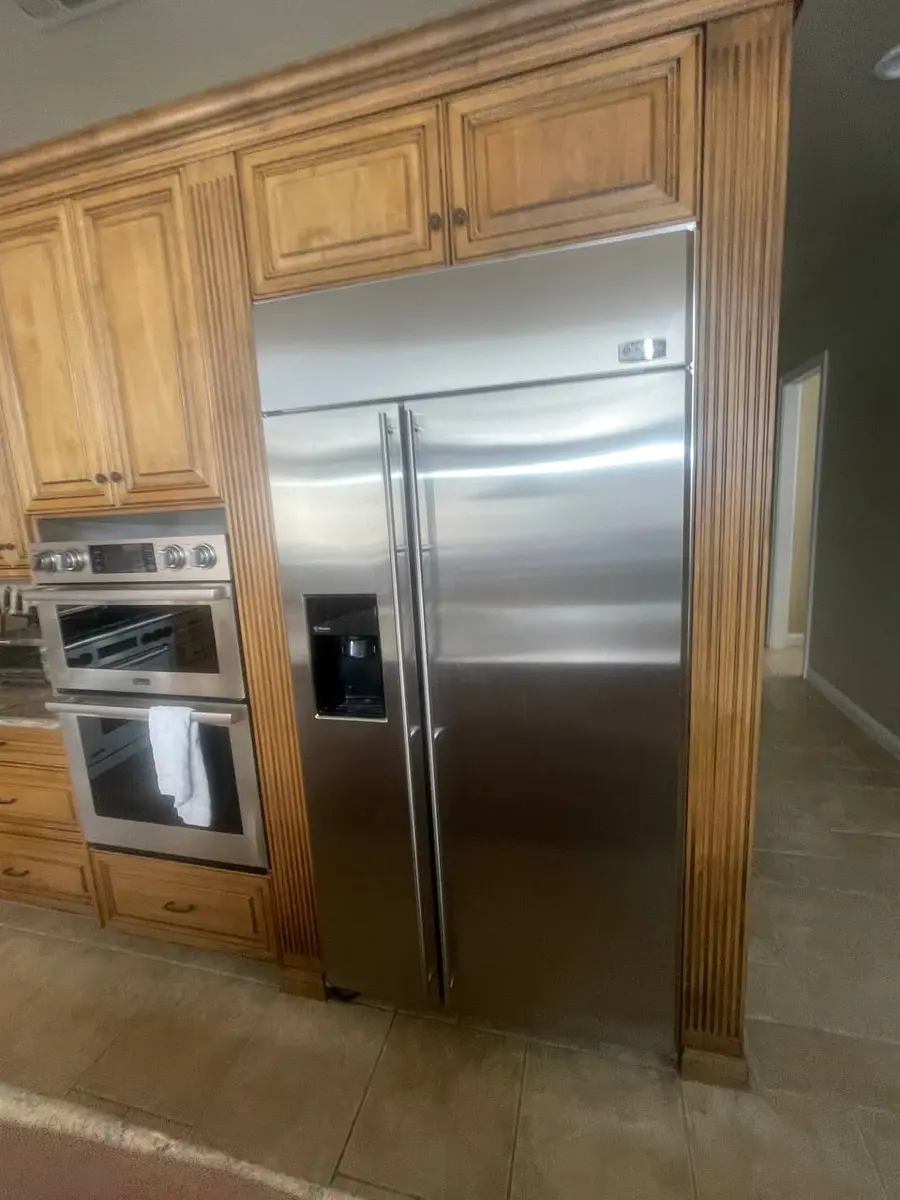
<p>When a <a href="https://www.subzero-wolf.com/assistance" rel="nofollow noopener" target="_blank">Sub-Zero refrigerator</a> develops not cooling issues, the stakes are higher than with standard appliances. Sub-Zero units represent a significant investment — often to or more — and require specialized diagnostic knowledge, proprietary parts, and factory-trained technicians. Generic repair guides miss the engineering specifics that make Sub-Zero appliances unique. This guide provides Sub-Zero-specific diagnosis, repair expectations, and cost estimates based on real service data.</p>
<h2>Quick Answer</h2>
<p>Sub-Zero [refrigerator not cooling](/blog/refrigerator-not-cooling) is most commonly caused by: Dirty condenser coils (under-unit location traps dust); Dual-compressor failure (independent refrigerator compressor); Evaporator fan motor failure. Expected repair cost: (luxury brands command a premium for proprietary parts and specialized labor).</p>
<h2>Why Sub-Zero Repairs Are Different</h2>
<p>Sub-Zero appliances are engineered with proprietary components, tighter tolerances, and advanced control systems that standard appliance repair training does not cover. Using aftermarket parts or generic repair approaches on a Sub-Zero unit risks further damage, voiding remaining warranty coverage, and compromising the performance that justified the premium price. Always use a technician experienced with Sub-Zero appliances specifically.</p>
<h2>Affected Sub-Zero Models</h2>
<p>This symptom is reported across these [Sub-Zero refrigerator models](/blog/hub/models-sub-zero-refrigerator):</p>
<ul>
<li><strong>BI-36U</strong></li>
<li><strong>BI-42S</strong></li>
<li><strong>CL3650U</strong></li>
<li><strong>PRO4850G</strong></li>
<li><strong>IT-36CI</strong></li>
</ul>
<h2>What Are the Common Causes?</h2>
<h3>1. Dirty condenser coils (under-unit location traps dust)</h3>
<p>Condenser coils dissipate heat from the <a href="https://www.epa.gov/section608" rel="nofollow noopener" target="_blank">refrigerant</a> after it is compressed. When coated with dust, pet hair, or grease, heat transfer efficiency drops dramatically — the compressor runs longer and harder, the refrigerator cannot maintain set temperature, and energy consumption increases. Access the coils (bottom rear or behind a kick plate) and vacuum with a coil brush attachment. Severe buildup can raise condenser temperature 20-30F above normal, triggering the overload protector. Cleaning is the fix — no parts needed. Professional cleaning:.</p>
<p>Our field data from Sub Zero repairs confirms wear on the primary failure component drives most complaints of this nature that we diagnose.</p>
<h3>2. Dual-compressor failure (independent refrigerator compressor)</h3>
<p>The compressor is the heart of the refrigeration system, pumping refrigerant through the condenser and evaporator coils. A failed compressor produces no cooling — the unit runs quietly or makes clicking sounds as the start relay attempts to start the motor. Check the start relay and overload protector first (shake the relay — a rattling sound means it is failed). Compressor windings should measure 3-15 ohms between start, run, and common terminals, with no continuity to ground. Compressor replacement: including refrigerant recharge.</p>
<h3>3. Evaporator fan motor failure</h3>
<p>The evaporator fan circulates cold air from the evaporator coil throughout the refrigerator and freezer compartments. If the fan fails, the freezer may stay cold (being closest to the coil) while the refrigerator section warms up. Open the freezer panel and listen — a working fan produces a steady hum. If silent, check for ice buildup jamming the fan blade, or test the motor: it should draw 0.2.5 amps. A fan that runs intermittently may have a failing motor or a control board issue. Fan motor replacement:.</p>
<h3>4. Sealed system refrigerant leak</h3>
<p>The sealed refrigeration system includes the compressor, condenser, evaporator, and interconnecting copper tubing containing refrigerant (typically R-134a or R-600a). A refrigerant leak causes gradual loss of cooling capacity — the compressor runs continuously but temperatures rise. Leak detection requires specialized equipment (electronic sniffer or UV dye). Sealed system repair involves brazing copper tubing, pulling a vacuum, and recharging refrigerant — EPA certification is required. This is never a DIY repair. Sealed system repair:.</p>
<h3>5. Electronic control board malfunction</h3>
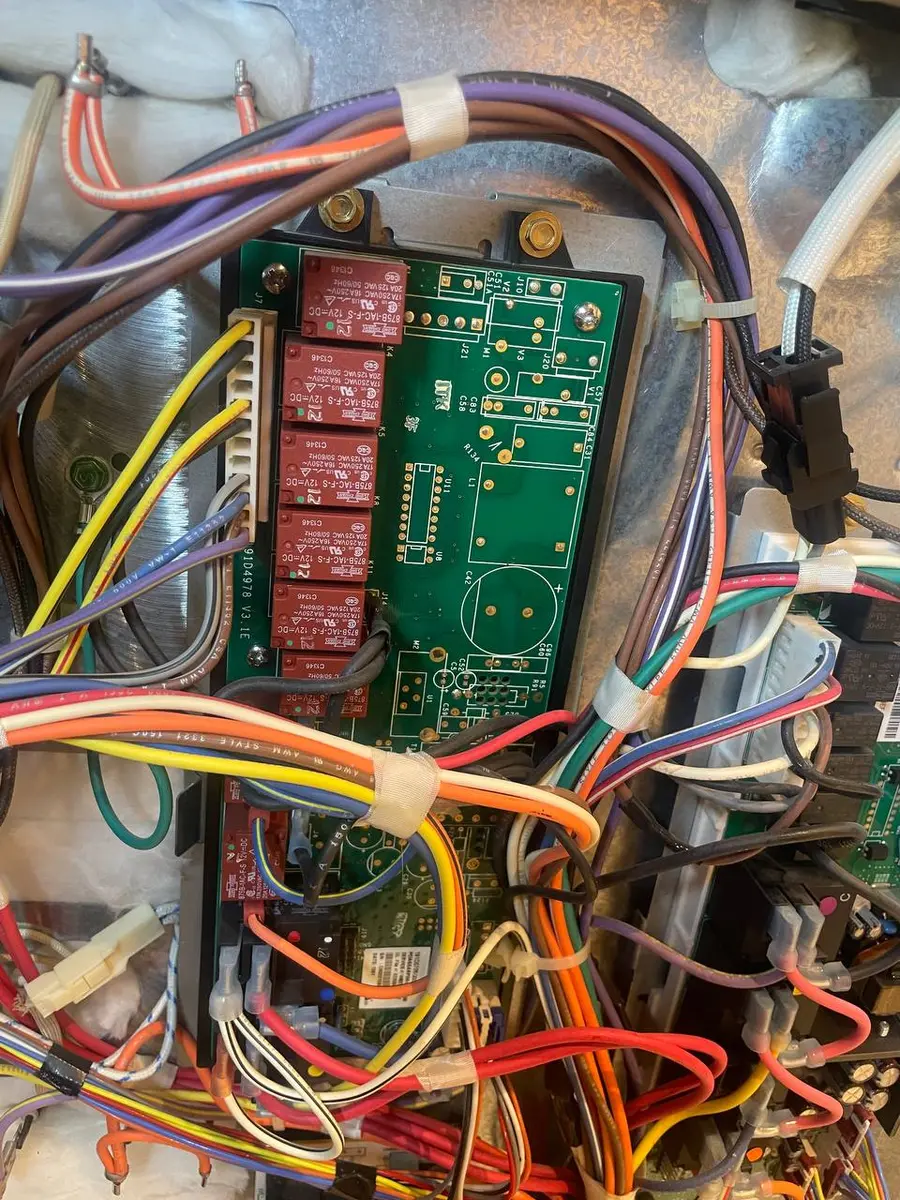
<p>The main electronic control board (PCB) coordinates all oven functions through a network of relays, sensors, and microprocessor logic. Failure modes include relay welding (element stays on), capacitor failure (no display), and microprocessor lockup (unresponsive controls). Remove the board and inspect under good light — look for darkened traces, cracked solder joints, or capacitors with domed tops. A board that intermittently loses display or throws random error codes typically has failing electrolytic capacitors. Replacement cost: with programming.</p>
<h2>Step-by-Step Diagnosis</h2>
<p>Important: Sub-Zero appliances often contain high-voltage components, sealed refrigerant systems, or gas connections. Do not attempt repairs beyond basic inspection unless you have professional training.</p>
<ol>
<li><strong>Record model and serial number:</strong> Located on the Sub-Zero identification plate (typically inside the door frame or on the rear panel). This is essential for ordering correct proprietary parts.</li>
<li><strong>Note any error codes or indicator lights:</strong> Sub-Zero control panels display diagnostic information that narrows the cause significantly. Record the exact code sequence.</li>
<li><strong>Check basic conditions:</strong> Verify power supply, water connections, and gas supply (if applicable) are functioning normally. Confirm the appliance is level and has proper ventilation clearance per Sub-Zero installation specifications.</li>
<li><strong>Listen and observe:</strong> Run a short cycle and note any unusual sounds, vibrations, smells, or visual indicators. The pattern of the symptom (constant vs. intermittent, when in the cycle it occurs) provides key diagnostic information.</li>
<li><strong>Check warranty status:</strong> Sub-Zero warranty coverage varies by model and component. Contact Sub-Zero or check your purchase records before authorizing any out-of-pocket repair. Some components carry extended warranties beyond the base coverage period.</li>
</ol>
<h2>When Should You Call a Professional?</h2>
<p>For Sub-Zero appliances, professional service is recommended for essentially all repairs beyond basic cleaning and filter replacement. The proprietary parts, specialized diagnostic software, and precise calibration requirements make DIY repair impractical and risky for the investment involved. Contact a Sub-Zero-authorized service provider or an experienced luxury appliance repair company.</p>
<h2>How Much Does This Repair Cost?</h2>
<p>Typical repair cost range for Sub-Zero refrigerator not cooling:.</p>
<p>Luxury appliance repairs carry a premium over standard brands due to: proprietary OEM parts (aftermarket alternatives are often unavailable or not recommended), specialized technician training requirements, and the precision calibration needed after major component replacement. However, given the + replacement cost of a new Sub-Zero unit, repair is almost always the more economical choice.</p>
<h2>Frequently Asked Questions</h2>
<h3>Why does my Sub-Zero refrigerator stop cooling but the freezer still works?</h3>
<p>Sub-Zero uses dual compressors — one for the refrigerator, one for the freezer. When only the refrigerator side fails, the dedicated refrigerator compressor or its evaporator fan is likely the cause. This dual-system design means each compartment operates independently, unlike single-compressor residential brands.</p>
<h3>How much does it cost to repair a Sub-Zero not cooling?</h3>
<p>Sub-Zero cooling repairs typically. Condenser coil cleaning. Compressor replacement for Sub-Zero units including the sealed-system work and refrigerant recharge, significantly more than standard brands due to proprietary compressors and specialized labor.</p>
<h3>How often should Sub-Zero condenser coils be cleaned?</h3>
<p>Sub-Zero recommends cleaning condenser coils every 6-12 months. Built-in installations pull air from beneath the unit through a front grille, and kitchen dust, pet hair, and cooking grease accumulate faster than on freestanding units. Neglected coils are the number-one cause of Sub-Zero cooling failures.</p>
<p><em>Need expert Sub-Zero repair? <a href="/book">Book an EasyBear technician</a> for professional Sub-Zero refrigerator service. Our technicians are experienced with luxury appliance brands and carry specialized diagnostic tools.</em></p>
4.85 (232 verified reviews)
Same-Day Appliance Repair
Fixed or It's Free
Free Service Call & Diagnosis — no hidden fees, offer ends Jun 10
AT
Angela Thompson
Appliance Repair Technician · 11 years experience
EPA 608 UniversalNASTeC Certified
Experienced technician with 11 years specializing in Frigidaire and Electrolux refrigerator and dryer repair with a focus on safety.