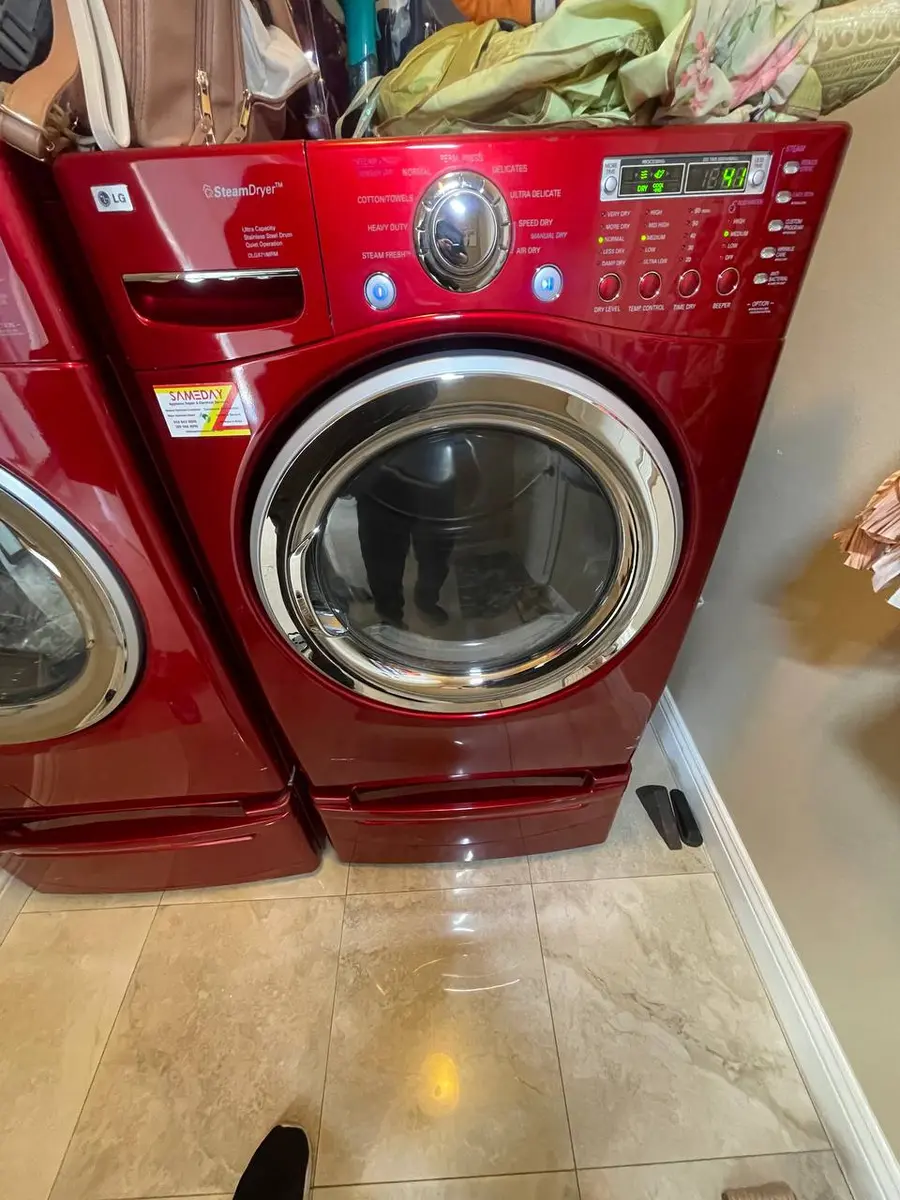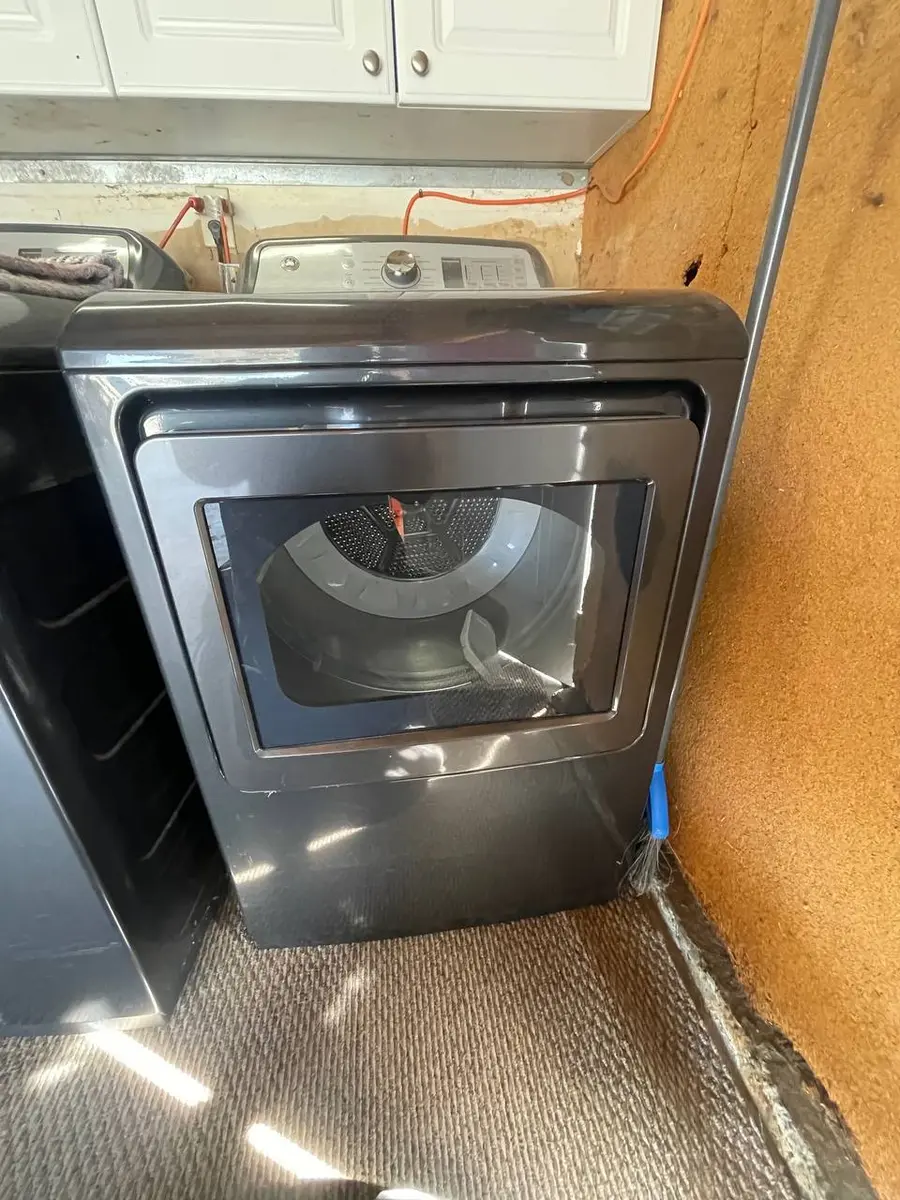
Quick Answer: Why Your Kenmore Dryer Overheats#
Most likely: a restricted vent — it is behind the great majority of Kenmore overheating on every platform. When lint chokes the run, exhaust cannot leave, and heat builds past the design temperature, scorching clothes and heating the cabinet. After airflow, the regulation parts come next: a cycling thermostat that no longer opens, then a failed high-limit thermostat. Because Kenmore is a badge over several manufacturers, the platform matters — a 110-Series runs the Whirlpool design (watch the front felt seal), while a 796-Series is an LG build with a Flow Sense vent warning. Stop and unplug the dryer if clothes scorch or the cabinet is too hot to touch.
Likely Causes at a Glance#
| Cause | Likelihood | What to check |
|---|---|---|
| Restricted vent | Most likely | a lint-choked or over-long duct; run the dryer with the vent disconnected for 5 minutes to confirm |
| Cycling thermostat stuck closed | Common | it never opens at its rated temperature, so the element keeps firing |
| High-limit thermostat failed | Occasional | the backup guard on the heater box no longer trips |
| Felt seal gap (110-Series) | Occasional | a worn front felt seal lets heat bypass on Whirlpool-platform Kenmores |
| Flow Sense ignored (796-Series) | Occasional | LG-platform models warn on vent restriction; ignored, the heat climbs |
Do You Have the Right Tools?
Gas leak detector ($130), thermal fuse tester ($95), belt tension gauge, and vent inspection camera ($180). Our technician arrives with $3,000+ in professional tools — your diagnostic is free.
Licensed & Insured · 90-Day Warranty · Same-Day Service
Walking Through the Diagnosis#
Because overheating is a fire risk, stop the dryer, unplug it, and do not restart until the cause is fixed if you smell burning, see scorched clothes, or find the cabinet too hot to touch. Do not stuff the drum either — an overloaded drum blocks airflow around the clothes and cuts exhaust flow.
Start at the vent, since it drives the majority of cases across every platform. Pull the dryer from the wall, disconnect the vent hose at the exhaust port, and look inside the port and the first section of hose for heavy lint. Go outside and check the exterior cap for lint, a bird nest, or a stuck damper. Then run the dryer with the vent disconnected for five minutes: if it runs markedly cooler, the vent system is the problem. Sacramento homes built from the 1980s through the 2000s often have long attic runs of 20 to 40 feet in crush-prone foil duct, which trap lint and choke airflow.
If the vent is clear, meter the regulation parts with the dryer unplugged. The cycling thermostat should show continuity at room temperature and then open at its rated temperature; one that never opens keeps the element energized and overheats the drum. Check the high-limit thermostat on the heater box as the backup guard. Then bring in the platform: on a 110-Series Whirlpool build, inspect the front felt seal for a gap that lets heat bypass, and on a 796-Series LG build, treat the Flow Sense warning as real and check the LG-made sensor parts (6931EL3003D and 6931EL3004B) rather than dismissing it. Overheating that is ignored eventually opens the one-shot thermal fuse and kills the dryer.
Repair or Replace? The Short Version#
Clearing a vent costs nothing, and a cycling thermostat, a high-limit thermostat, or a felt seal is an inexpensive part on a Kenmore worth keeping — none of it approaches replacing the dryer. The reason to act fast is the hazard of scorched fabric and heat stress on nearby parts. If metering the thermostats or identifying your platform is not for you, our technicians know both the Whirlpool and LG Kenmore builds and clear the exhaust in one visit — book a repair.
Safety First — Know the Risks
Gas dryers carry carbon monoxide and explosion risk. Even electric dryers involve 240V circuits that can deliver a fatal shock. Our techs are licensed and insured — let them handle the risk.
Licensed & Insured · 90-Day Warranty · Same-Day Service
Frequently Asked Questions#
What should I do first if my Kenmore dryer is overheating?#
If clothes scorch, you smell burning, or the cabinet is too hot to touch, stop the dryer and unplug it immediately, and do not restart it until the cause is fixed. Then check the vent first — pull the dryer out, disconnect the hose, and run it for five minutes disconnected to see whether it runs cooler.
Does it matter which Kenmore platform I have?#
Yes. Kenmore badges several makers, so the parts differ: a 110-Series is a Whirlpool build where a worn front felt seal can let heat bypass, while a 796-Series is an LG build with a Flow Sense vent warning and LG-made sensor parts. Identify the series from the model number before ordering components.
How do I test the cycling thermostat on a Kenmore dryer?#
Unplug the dryer and meter the cycling thermostat: at room temperature it should read continuity (closed), and it should open (break continuity) at its rated temperature. A thermostat that never opens keeps the heater firing and is a leading overheating cause, so replace one that stays closed.
Can overheating damage my Kenmore dryer if I keep using it?#
Yes. Sustained overheating scorches fabric, stresses nearby components, and eventually opens the one-shot thermal fuse, which leaves the dryer dead. Clear the vent and fix the regulation part rather than repeatedly running a dryer that runs too hot, and never bypass a safety thermostat to keep it going.
Appliance Repair Technician · 11 years experience
Experienced technician with 11 years specializing in Frigidaire and Electrolux refrigerator and dryer repair with a focus on safety.