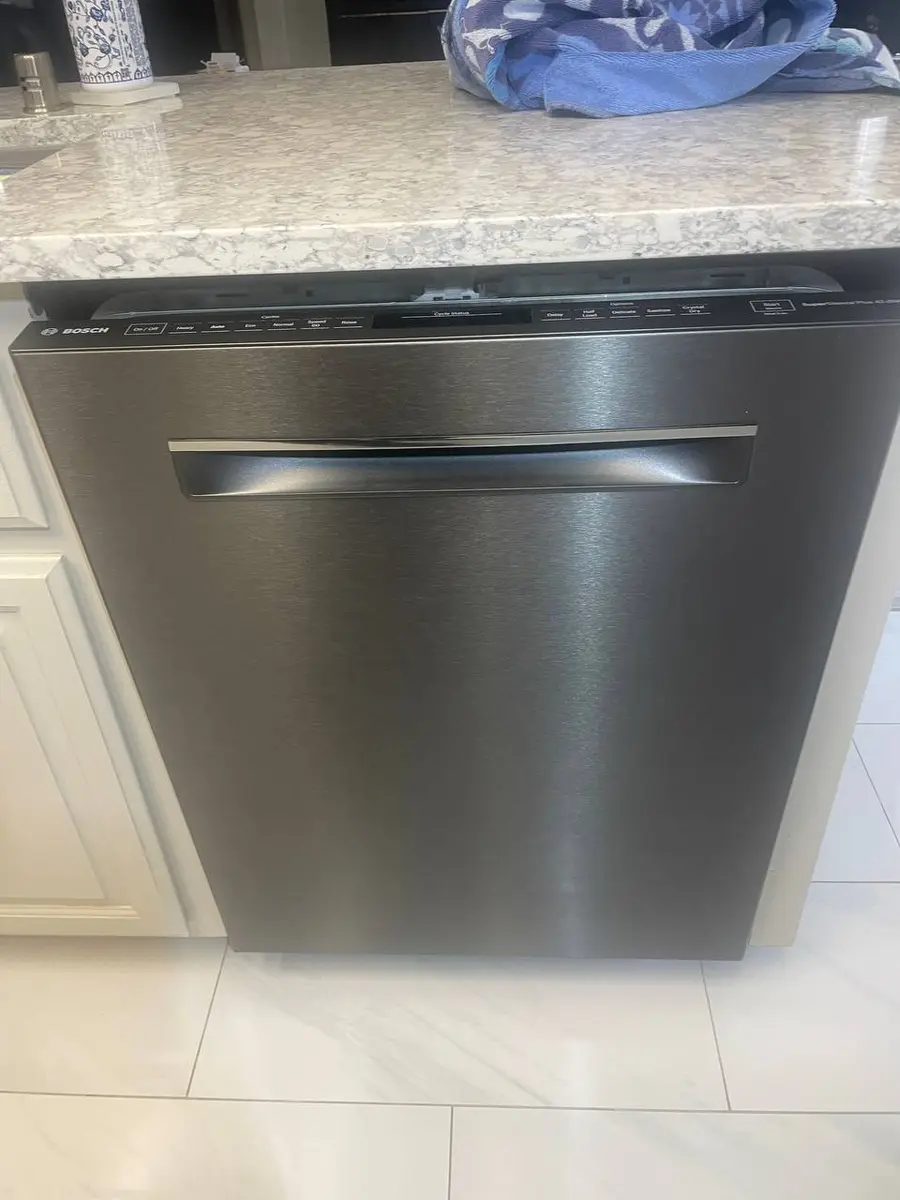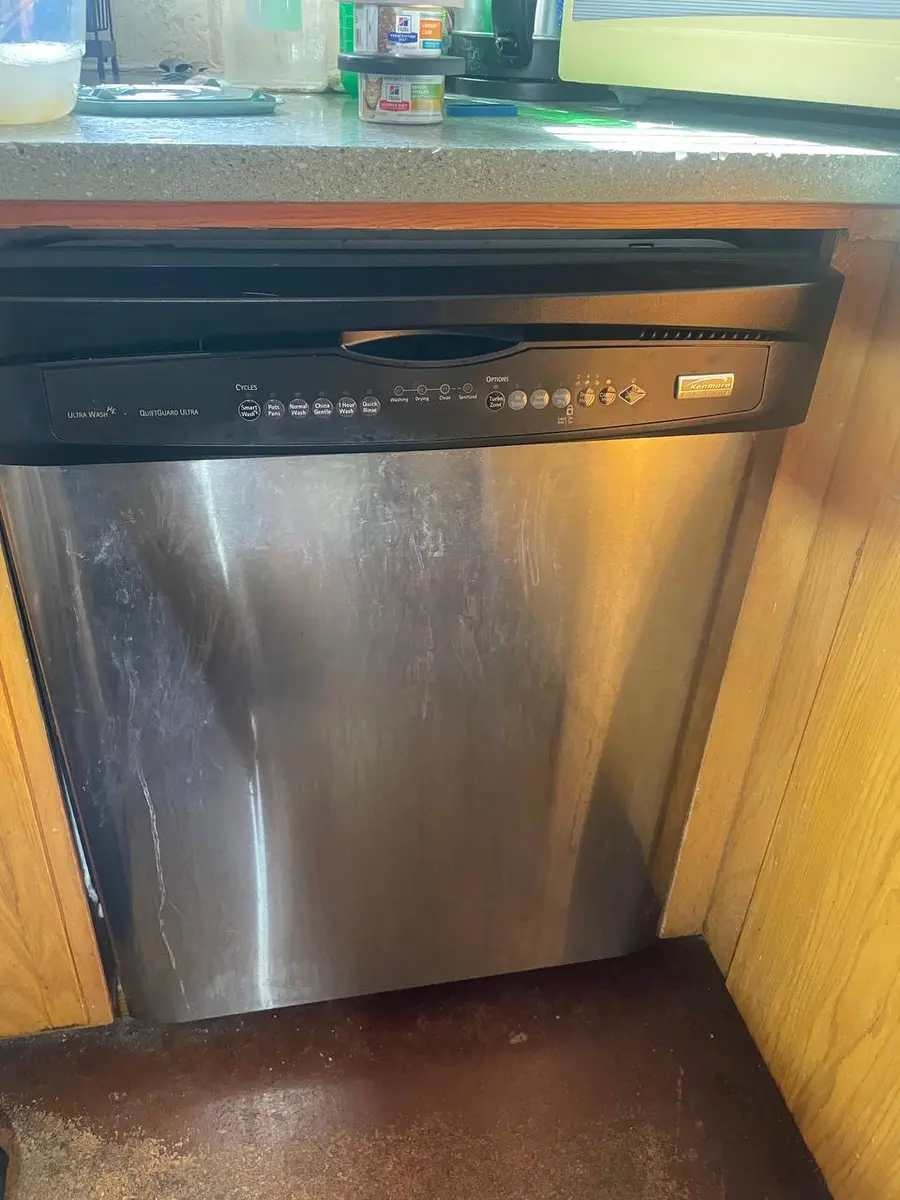
How to Replace the Door Latch on a Samsung Dishwasher (DD81-01629A)
The door latch assembly on Samsung dishwashers serves two critical functions: it physically holds the door closed against the seal gasket pressure during wash cycles, and it activates the door switch that tells the control board the door is secured (allowing the cycle to start). When the latch fails, you may experience the door not latching at all, the door popping open mid-cycle (causing water to flood the floor), the dishwasher refusing to start despite the door appearing closed, or a persistent LC leak error caused by water escaping past seals that are not being compressed by a properly engaging latch.
Samsung door latch DD81-01629A fits most DW80 series models and includes the latch hook, striker plate, and integrated door switch.
Before You Start
- Tools needed: Phillips #2 screwdriver, Torx T20 screwdriver (some models), small flathead screwdriver for prying
- Parts needed: Samsung door latch assembly DD81-01629A (~$25-$60)
- Time required: 30-40 minutes
- Difficulty: Intermediate
- Safety warning: Disconnect power at the circuit breaker. The door latch contains an integrated microswitch that carries 120V to signal the control board. Working on the latch with power connected risks shock.
Do You Have the Right Tools?
Water pressure gauge ($60), spray arm tester, float switch multimeter ($85), and drain inspection camera. Our technician arrives with $15K+ in professional tools — your diagnostic is free.
Licensed & Insured · 90-Day Warranty · Same-Day Service
How to Confirm the Door Latch Has Failed
-
Door will not latch at all: Push the door closed and try to engage the latch. If the hook does not catch the striker or slides out immediately, the latch mechanism is broken. Check for visible damage to the latch hook (plastic tab broken off) or striker plate (bent or misaligned).
-
Door latches but dishwasher will not start: The latch hook is engaging but the integrated door switch is not activating. The switch contact inside the latch assembly has failed. Test by disconnecting power, then testing continuity across the switch terminals with the door latched. No continuity with the latch engaged means the switch is dead.
-
Door pops open during wash cycle: The latch hook is worn and water pressure from the spray arms against the door eventually overcomes the weakened latch grip. This is the most common failure mode on Samsung dishwashers over 5 years old.
-
Error code on display but door is closed: Some Samsung models display no specific code but refuse to start. The blinking Start light indicates the control board is not receiving the door-closed signal from the latch switch.
Step-by-Step Instructions
Step 1: Disconnect Power
Turn off the circuit breaker for the dishwasher.
Step 2: Open the Door and Remove Inner Panel Screws
Open the door fully. Look along the top inner edge of the door (the edge closest to you when the door is open flat). On Samsung dishwashers, there are typically 6-10 screws along the inner perimeter that hold the inner door panel to the outer door shell. These are usually Phillips #2 but some models use Torx T20. Remove all perimeter screws. On some models, additional screws are located along the sides and bottom of the inner panel.
Step 3: Separate the Inner Door Panel
With all screws removed, carefully separate the inner door panel from the outer door shell. The panels are also held by plastic clips on some models. If the panel resists after all screws are removed, gently pry with a plastic putty knife at the edges to release clips. Be aware that wire harnesses (for the dispenser, door switch, and any control panel components) connect the two panels. Separate them only far enough to access the latch area without straining wires.
Step 4: Locate the Latch Assembly
The latch is mounted at the top edge of the door (the edge that engages with the tub frame when the door closes). You will see the latch hook protruding from the top edge, with the latch mechanism and door switch mounted to the inner side of the door panel or the door frame. The assembly typically has 2-3 Phillips screws holding it in position and one or two wire connectors.
Step 5: Disconnect the Latch Wiring
The door switch inside the latch assembly connects to the main harness via a 2-3 wire connector. Press the locking tab and disconnect. Some Samsung models have a separate connector for an auxiliary latch sensor. Disconnect all connectors attached to the latch assembly.
Step 6: Remove the Latch Mounting Screws
Remove the 2-3 Phillips screws that secure the latch assembly to the door. The screws may be in tight spaces, so a short Phillips screwdriver or a Phillips bit on a 1/4" drive extension helps. Once screws are removed, the latch slides or lifts out of its mounting position.
Step 7: Remove the Striker Plate (If Included)
Some Samsung latch assemblies include the striker plate (the piece mounted to the tub frame that the hook catches on). If your replacement kit includes a new striker, also remove the old one from the top of the tub frame (usually one or two screws). If the kit does not include a striker, inspect the existing one for wear, bending, or cracks. A worn striker can prevent even a new latch from engaging securely.
Step 8: Install the New Latch Assembly
Position the new latch in the mounting location. Align the screw holes and the hook with the striker slot. Install the mounting screws hand-tight first to allow adjustment, then tighten once aligned. The hook must align precisely with the striker opening on the tub frame. Even 2-3mm of misalignment prevents proper engagement.
Step 9: Install New Striker Plate (If Applicable)
If replacing the striker, position it on the tub frame and secure with screws. The striker slot must align with the latch hook path.
Step 10: Reconnect the Wiring
Plug the door switch connector(s) back together until they click. Route wires away from the latch mechanism to prevent pinching when the door closes.
Step 11: Test Latch Engagement Before Reassembly
Before fully reassembling the door panels, partially close the door to test latch engagement. The hook should slide into the striker smoothly and click into the locked position. Open and close several times to verify consistent engagement. If the hook misses the striker or catches unevenly, loosen the mounting screws and adjust position.
Step 12: Reassemble the Door Panels
Once latch engagement is confirmed, bring the inner door panel back against the outer shell. Ensure no wires are pinched between panels. Reinstall all perimeter screws evenly.
Step 13: Test Electrically
Restore power at the breaker. Close the door and verify the dishwasher recognizes the door as closed (no blinking Start light, machine ready to receive cycle selection). Run a short cycle and verify the door holds closed throughout the wash phase, including during high-pressure spray sequences.
Safety First — Know the Risks
Live 120V wiring in a wet environment is one of the most dangerous DIY scenarios. Water + electricity = serious shock risk. Our techs are licensed and insured — let them handle the risk.
Licensed & Insured · 90-Day Warranty · Same-Day Service
Adjusting Latch Alignment
If the new latch engages but feels loose or the door has play when latched:
- Check the door hinges. Samsung dishwasher doors use spring-loaded hinges that can weaken over time, reducing the force that pushes the door against the seals. Worn hinges need replacement (separate repair).
- Check the striker plate position. It may need to move 1-2mm toward the latch hook to tighten engagement. Loosen its screws, shift, and retighten.
- Check the door seal compression. A worn perimeter seal provides less resistance, making the latch feel loose. If the seals are also old, replace them at the same time.
When to Call a Professional
- The door frame is bent or warped (preventing any latch from engaging properly)
- The door hinge springs are broken (door droops and misaligns with the striker)
- The control board does not respond to the door switch signal even with a confirmed working latch/switch assembly
- The latch area shows signs of electrical arcing or heat damage (indicating a wiring short)
Same-Day Appliance Repair
Fixed or It's Free
$89 → $0 Service Call & Diagnosis — offer ends May 25
The Real Cost of DIY
Average DIY attempt: $150-400 in tools you may use once, plus the risk of further damage. Our diagnostic visit costs $0 — we find the problem and give you an honest quote.
Licensed & Insured · 90-Day Warranty · Same-Day Service
Cost Comparison: DIY vs Professional
| DIY | Professional | |
|---|---|---|
| Parts | $25-$60 | $25-$60 |
| Labor | $0 | $120-$220 |
| Time | 35 min | 20 min |
| Risk | Low | Warranty included |
Need Professional Help?
Don't Void Your Warranty
Opening your appliance yourself may void the manufacturer warranty. Our repair comes with a 90-day guarantee, and we document everything for warranty compliance.
Licensed & Insured · 90-Day Warranty · Same-Day Service
FAQ
Q: Can a misaligned Samsung dishwasher door latch cause water leaks? A: Yes. The latch pulls the door tight against the perimeter gasket and bottom seal. If the latch does not engage fully, the door does not compress the seals with adequate force, allowing water to escape during high-pressure spray phases. This often manifests as leaks only during Heavy or Sanitize cycles.
Q: Why does my Samsung dishwasher door latch keep breaking? A: The most common cause is slamming the door closed or pushing down hard on an open door (which stresses the latch hook). Samsung latch hooks are plastic and can fatigue over thousands of open/close cycles. Closing the door with moderate force and letting the latch engage naturally extends latch life significantly.
Q: Is the Samsung door latch DD81-01629A the same for all DW80 models? A: The DD81-01629A fits many DW80 models but there are variations (A, B, C suffixes). The mounting hole positions and switch connector type may differ between model years. Always verify compatibility with your specific model number before ordering.
Q: My Samsung dishwasher latch clicks but the machine won't start. Is the latch bad? A: If the latch clicks (physically engages) but the dishwasher does not recognize it, the integrated door switch inside the latch has failed. The switch is not serviceable separately on Samsung units, so the entire latch assembly needs replacement. Alternatively, the wire from the switch to the control board may be broken.
Need a certified technician? Book same-day repair →