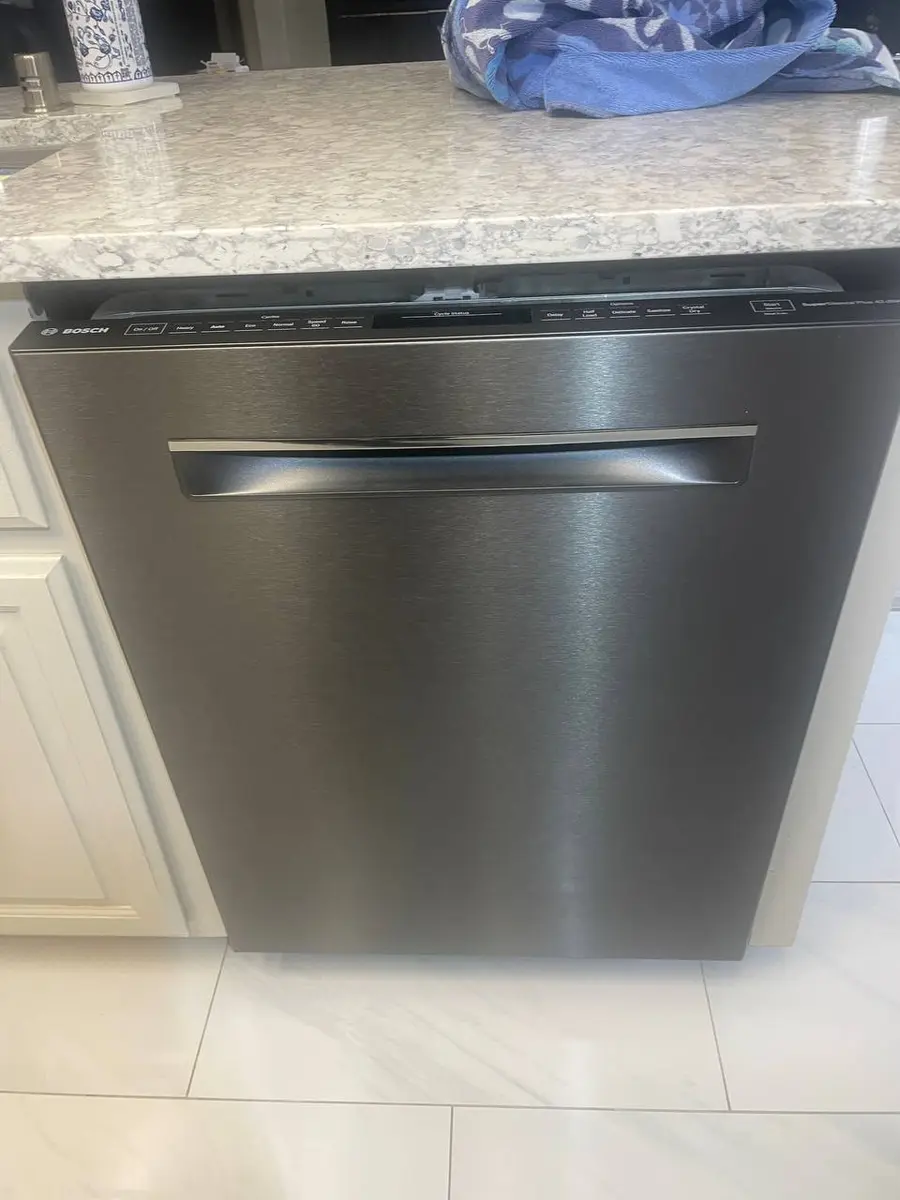
How to Replace a Maytag Dishwasher Detergent Dispenser Assembly
A detergent dispenser that fails to open during the wash cycle leaves detergent trapped in the compartment and dishes dirty. On Maytag dishwashers, the dispenser uses a wax motor actuator that heats up to release the dispenser door at the programmed point in the cycle. When this actuator fails or the spring mechanism breaks, the dispenser door stays closed. You will find an undissolved detergent pod or caked powder in the dispenser after the cycle completes.
This repair requires removing the inner door panel to access the dispenser assembly from behind. Maytag dishwashers use Torx T20 fasteners for the door panel, consistent with the Whirlpool Corporation platform used across all their brands.
Before You Start
- Tools needed: Torx T20 driver, Phillips #2 screwdriver, multimeter, smartphone (for photos)
- Parts needed: Detergent dispenser assembly ($30-$75), wax motor actuator ($15-$35 if sold separately)
- Time required: 25-35 minutes
- Difficulty: Intermediate
- Safety warning: Disconnect power at the circuit breaker before removing the inner door panel. The wax motor operates on 120V AC.
Do You Have the Right Tools?
Water pressure gauge ($60), spray arm tester, float switch multimeter ($85), and drain inspection camera. Our technician arrives with $15K+ in professional tools — your diagnostic is free.
Licensed & Insured · 90-Day Warranty · Same-Day Service
Step-by-Step Instructions
Step 1: Confirm the dispenser is the problem
Before disassembling, verify the dispenser is truly failing mechanically. Run a cycle and check whether the dispenser door opened after completion. If the door is still latched with detergent inside, the mechanism has failed. However, if the door opened but detergent remains caked inside, the issue is water temperature (too cold to dissolve) or a blocked spray arm not directing water into the dispenser cup. Also check that nothing on the lower rack is blocking the dispenser door from swinging open. A tall plate or cutting board positioned directly below the dispenser is the most common false-alarm cause.
Step 2: Disconnect power and open the door
Turn off the circuit breaker for the dishwasher. Open the door fully. Examine the dispenser from the tub side. Note how the door latch sits and the hinge orientation. On Maytag models, the dispenser is mounted in the inner door panel with the mechanism accessible from between the inner and outer door shells.
Step 3: Remove the inner door panel
Remove the 8-10 Torx T20 screws around the interior perimeter of the door. Check for additional screws along the bottom inner edge. With all screws removed, carefully separate the inner panel from the outer door shell. The panels separate vertically. Lift the inner panel up and pull it toward you. Set it aside on a towel. The dispenser assembly is now visible on the inner face of the inner panel, or on some models, it remains attached to a mounting bracket between the panels.
Step 4: Photograph the wiring and disconnect
The dispenser assembly has one or two wire connectors: one for the wax motor actuator and possibly one for a rinse aid indicator (if equipped). Photograph the connection points. Disconnect each connector by pressing the locking tab and pulling straight out. Never pull by the wires.
Step 5: Remove the old dispenser assembly
The dispenser is secured to the inner door panel by 2-4 Phillips screws or plastic clips. Remove the fasteners and lift the assembly free. On some Maytag models, the dispenser has a foam gasket between it and the panel that provides a seal against water intrusion into the door. If this gasket is damaged or compressed flat, replace it as well. Inspect the opening in the panel for corrosion or damage that could prevent the new dispenser from sealing properly.
Step 6: Test the wax motor (if reusing the actuator)
If your replacement kit does not include the wax motor actuator, test the old one before reusing it. Set your multimeter to resistance and measure across the two terminals of the wax motor. A healthy wax motor reads approximately 500-2000 ohms. An open circuit (infinite resistance) means the heating element inside the actuator is burned out. If the wax motor tests good, the dispenser door mechanism itself (spring, latch, or pivot) is the failure point. Most complete dispenser assemblies include a new wax motor, making this test informational rather than required.
Step 7: Install the new dispenser assembly
Position the new assembly in the same orientation as the original. If a foam gasket is present, ensure it seats properly around the perimeter. Secure with the mounting screws or clips. Do not overtighten screws into plastic. Reconnect the wire harness connectors until they click. Verify the dispenser door opens freely by pressing the release mechanism manually. The door should spring open smoothly. If it sticks or binds, check that the assembly is not misaligned.
Step 8: Reassemble the door and test
Replace the inner door panel onto the outer shell. Reinstall all Torx T20 screws around the perimeter. Close the door. Restore power at the breaker. Load the dispenser with a detergent pod or powder. Run a Normal cycle. After approximately 15-20 minutes into the cycle (when the main wash begins), the dispenser should release. Check after the cycle completes that the dispenser door is open and empty.
Understanding the Maytag Dispenser Cycle Timing
On Maytag dishwashers, the dispenser opens during the main wash phase, not during the pre-wash. This means the pre-wash runs with only residual detergent or rinse aid on the dishes. The main wash phase is when hot water reaches optimal temperature and the dispenser releases the full detergent charge. If you notice the dispenser opens but dishes are still dirty, the issue is not the dispenser timing but rather water temperature or spray arm performance.
The PowerBlast cycle has a slightly different dispenser timing that releases detergent earlier in the cycle to maximize exposure time with the intensified spray pattern. If your dispenser works on Normal but not PowerBlast (or vice versa), the control board may be faulty rather than the dispenser mechanism.
Safety First — Know the Risks
Live 120V wiring in a wet environment is one of the most dangerous DIY scenarios. Water + electricity = serious shock risk. Our techs are licensed and insured — let them handle the risk.
Licensed & Insured · 90-Day Warranty · Same-Day Service
Troubleshooting After Replacement
If the new dispenser still fails to open:
- Verify the wire harness is fully seated on the new assembly. A partially connected harness delivers inconsistent power to the wax motor
- Check that the control board is sending voltage to the dispenser during the cycle. You can test this by measuring AC voltage at the dispenser connector during the main wash phase (requires careful multimeter use with power on and the door latch bypassed, which is advanced and potentially dangerous for non-professionals)
- Ensure the dispenser door is not binding against the inner tub surface. On some models, a warped inner panel can push the dispenser into the tub space
- Run diagnostic mode to verify the control board commands the dispenser output during its test sequence
When to Call a Professional
Contact a professional if:
- The dispenser mechanism works manually but does not activate during cycles, suggesting a control board output issue
- You find water damage or corrosion inside the door cavity that indicates a seal failure allowing wash water into the electrical area
- The rinse aid dispenser is also failing simultaneously, pointing to a control board issue rather than individual component failures
Same-Day Appliance Repair
Fixed or It's Free
$89 → $0 Service Call & Diagnosis — offer ends May 25
The Real Cost of DIY
Average DIY attempt: $150-400 in tools you may use once, plus the risk of further damage. Our diagnostic visit costs $0 — we find the problem and give you an honest quote.
Licensed & Insured · 90-Day Warranty · Same-Day Service
Cost Comparison: DIY vs Professional
| DIY | Professional | |
|---|---|---|
| Parts | $30-$75 | $30-$75 |
| Labor | $0 | $100-$200 |
| Time | 25-35 min | 20 min |
| Risk | Low with power disconnected | Warranty on repair |
Need Professional Help?
Don't Void Your Warranty
Opening your appliance yourself may void the manufacturer warranty. Our repair comes with a 90-day guarantee, and we document everything for warranty compliance.
Licensed & Insured · 90-Day Warranty · Same-Day Service
FAQ
Q: Why does my Maytag dishwasher detergent pod not dissolve even though the dispenser opens? A: This is a water temperature issue, not a dispenser issue. If the incoming water is below 120 degrees F, detergent pods may not fully dissolve during the wash cycle. Run hot water at the kitchen sink for 60 seconds before starting the dishwasher to ensure hot water is immediately available. Also check that spray arms are not clogged, as water must hit the dispenser cup directly to dissolve the pod.
Q: Can I just place the detergent pod in the bottom of the tub instead of the dispenser? A: You can as a temporary workaround, but it reduces cleaning effectiveness. The dispenser is timed to release detergent during the main wash phase when water is hottest. A pod placed in the tub dissolves during the pre-wash when water is still heating, wasting most of the detergent's cleaning power before the main wash begins.
Q: Is the detergent dispenser covered under Maytag's warranty? A: Under the standard 1-year warranty, yes. After that, only the tub, racks, and chopper are covered by the 10-year limited warranty. Dispenser assemblies cost $30-$75 and are a straightforward DIY repair, making them one of the most cost-effective repairs you can do yourself on a Maytag dishwasher.
Q: My rinse aid dispenser is also leaking. Should I replace both at the same time? A: Yes. On most Maytag models, the detergent dispenser and rinse aid dispenser are part of the same assembly or mounted adjacent with the same access procedure. If you are already removing the inner door panel, replace the rinse aid mechanism at the same time to avoid repeating the labor later.
Need a certified technician? Book same-day repair →