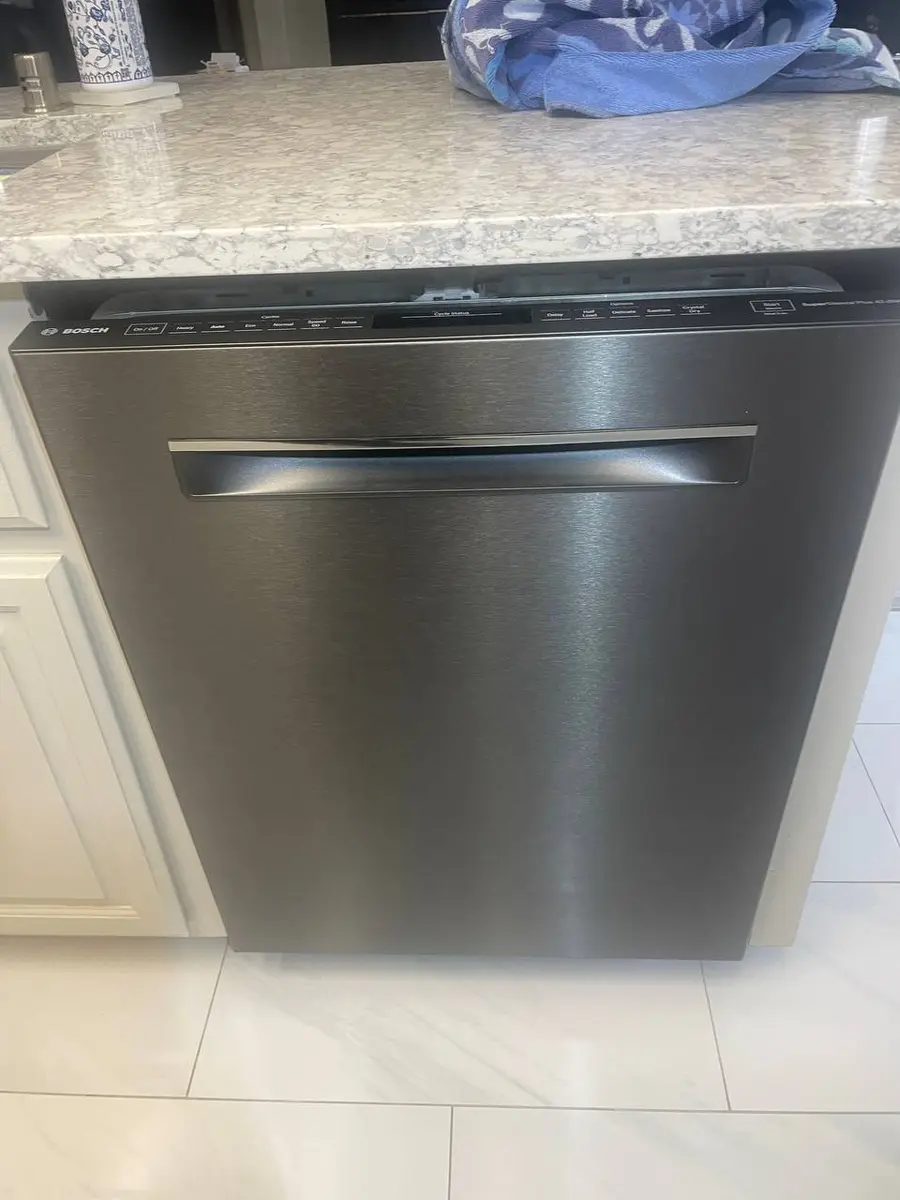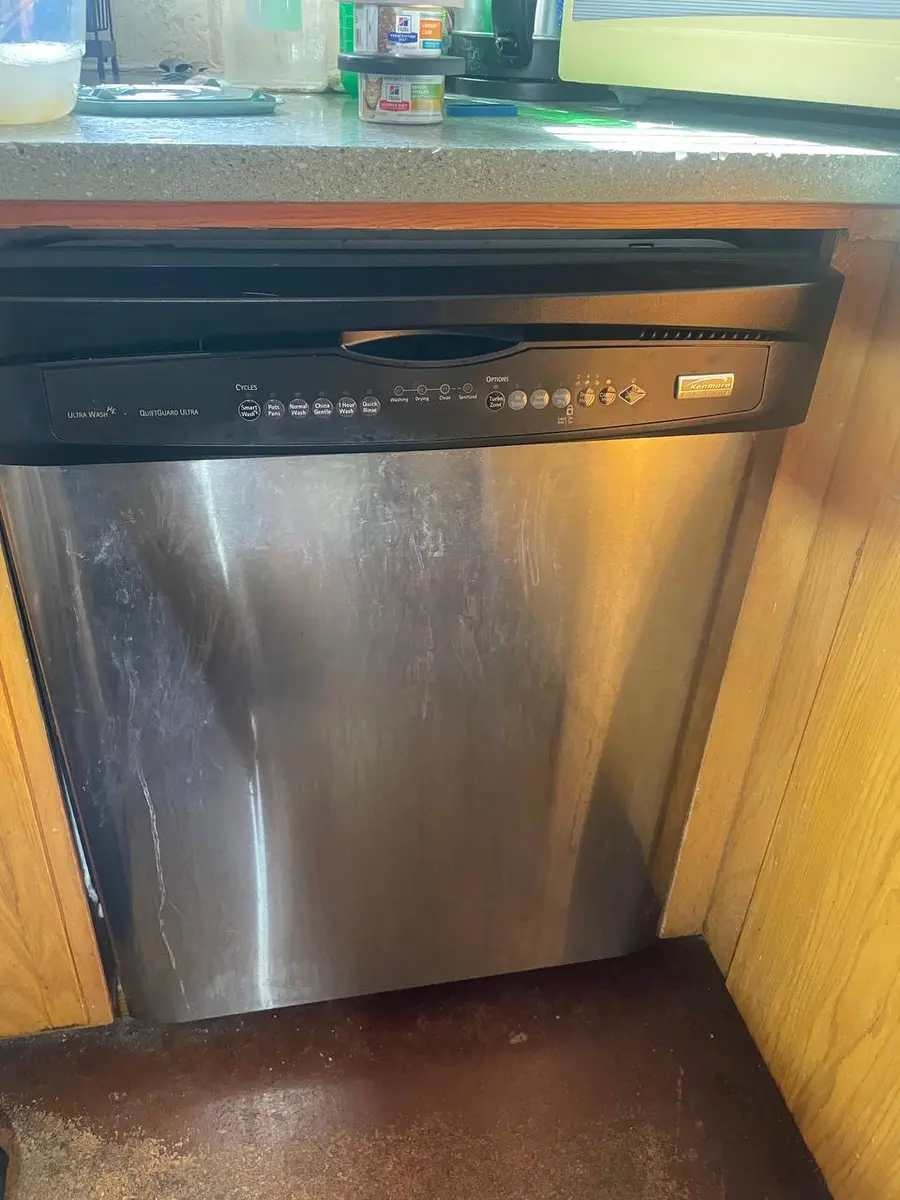
How to Replace a Maytag Dishwasher: Complete Installation Guide
Replacing a Maytag dishwasher involves disconnecting the old unit, sliding it out, preparing the space, and installing the new unit with proper water supply, drain, and electrical connections. Maytag dishwashers use the same Whirlpool Corporation installation footprint, which means any standard 24-inch dishwasher opening will accommodate a new Maytag model. The electrical connection can be either hard-wired or cord-and-plug depending on your local building code and existing setup.
This guide covers the complete replacement process from old unit removal to first cycle verification. If you are replacing an older Maytag with a new Maytag, the connections are virtually identical and the process is straightforward. If you are replacing a different brand with a Maytag, pay extra attention to drain hose routing because Maytag models route the drain differently than some competitors.
Before You Start
- Tools needed: Adjustable wrench, 1/4-inch hex driver, Phillips #2 screwdriver, level, Torx T20 (for Maytag mounting), pliers, drill with 1/4-inch bit (if mounting screw holes are not pre-drilled), towels, bucket
- Supplies needed: Teflon tape, wire nuts (if hard-wired), new supply hose ($15-$25 recommended), hose clamps
- Time required: 60-90 minutes
- Difficulty: Intermediate
- Safety warning: Turn off the circuit breaker for the dishwasher circuit AND the water supply valve under the sink. Verify electrical is off with a non-contact voltage tester before touching any wiring.
Do You Have the Right Tools?
Water pressure gauge ($60), spray arm tester, float switch multimeter ($85), and drain inspection camera. Our technician arrives with $15K+ in professional tools — your diagnostic is free.
Licensed & Insured · 90-Day Warranty · Same-Day Service
Step-by-Step Instructions
Step 1: Prepare the workspace and disconnect utilities
Turn off the circuit breaker. Turn off the water supply valve under the kitchen sink. Place towels on the floor in front of the dishwasher. Open the old dishwasher door and remove the lower rack for easier access. Remove the lower access panel (two 1/4-inch hex screws on Maytag, or Phillips on other brands).
Step 2: Disconnect the water supply line
Under the old dishwasher, locate the water inlet valve (left side). The supply line connects to the valve with a 3/4-inch compression fitting. Use an adjustable wrench to loosen the nut counter-clockwise. Pull the supply line free. Drain residual water into a towel or bucket. If you are reusing the supply line, inspect it for wear. Braided stainless lines should be replaced every 8-10 years. Rubber hoses should be replaced immediately with braided stainless.
Step 3: Disconnect the drain hose
The drain hose exits the back of the dishwasher and connects under the sink to either the garbage disposal or the sink tailpiece. Loosen the hose clamp and pull the hose free from the disposal/tailpiece nipple. Have a towel ready because residual water will drain from the hose.
Step 4: Disconnect the electrical connection
Open the junction box (metal box at the front right or left under the tub). If hard-wired: remove the wire nuts connecting the house wiring (black, white, green/bare) to the dishwasher leads. Pull the house wires out of the junction box and cap them individually with wire nuts for safety. If cord-and-plug: simply unplug from the outlet under the sink or behind the dishwasher.
Step 5: Remove the mounting brackets and slide the old unit out
Open the dishwasher door and locate the mounting screws at the top (two screws driven up into the countertop underside). Remove them. Close the door. Lower the front leveling legs by turning them clockwise to lower the dishwasher. This creates clearance between the unit and the countertop. Carefully slide the dishwasher straight forward. Pull slowly, watching for the water supply and drain hose as they clear the cabinet opening. Once the unit clears the opening, disconnect any remaining attachments and set it aside.
Step 6: Prepare the space for the new Maytag
Inspect the cabinet opening. Clean the floor area. Check that the water supply valve, drain connection, and electrical access are all in good condition. If the electrical is hard-wired, verify the house wires have adequate length to reach the new unit's junction box. Most Maytag dishwashers have the junction box in the same location (front right). Verify the opening dimensions: standard is 24 inches wide, 34 inches tall, 24 inches deep minimum.
Step 7: Install the new Maytag dishwasher
Adjust the front leveling legs on the new Maytag to their lowest position (maximum leg extension) for maximum clearance during sliding in. Thread the water supply line, drain hose, and electrical through the cabinet opening. Carefully slide the new dishwasher into the opening, guiding the hoses and wires to prevent kinking or pinching. Push the unit fully into the opening until the front flanges are flush with the cabinet face.
Step 8: Connect the water supply
Apply Teflon tape to the inlet valve threads (2-3 wraps clockwise). Connect the supply line and tighten the compression fitting hand-tight plus a quarter turn with pliers. Do not overtighten brass fittings as they strip easily.
Step 9: Connect the drain hose
Route the drain hose through the cabinet side wall to under the sink. Create a high loop by securing the hose to the underside of the countertop with a hose clamp. This prevents backflow. Connect the hose end to the garbage disposal drain nipple or sink tailpiece using a hose clamp. If connecting to a garbage disposal, verify the disposal knockout plug has been removed (hammer a screwdriver through it from inside the disposal throat if not).
Step 10: Make the electrical connection
Open the junction box on the new Maytag. Feed the house wires into the box through the strain relief fitting. Connect: black to black (hot), white to white (neutral), green or bare to green (ground) using wire nuts. Tug each connection to verify it is secure. Close the junction box cover. If using a cord and plug, route the cord to the outlet.
Step 11: Level the dishwasher and secure mounting
Adjust the front leveling legs until the dishwasher is level side-to-side and front-to-back (use a level on the tub opening edge). Adjust until the top of the dishwasher is snug against the underside of the countertop without excessive pressure. Open the door and drive the mounting screws through the top mounting brackets into the underside of the countertop.
Step 12: Test all connections and run the first cycle
Turn on the water supply valve. Check under the dishwasher and under the sink for leaks at all connections. If dry, restore power at the breaker. The control panel should illuminate. Run a Normal cycle with the dishwasher empty. During the fill, check the supply connection for drips. During the drain, check the drain hose connection under the sink. Verify the cycle completes without error codes. Check underneath one final time after the complete cycle for any moisture.
Maytag-Specific Installation Notes
- Maytag dishwashers include installation hardware in the box: supply hose elbow, drain hose, mounting brackets, and wire nuts. Use the included parts rather than reusing old ones
- The Maytag installation manual specifies a minimum of 20 inches of countertop clearance above the tub for the door to open fully. Verify before committing to the installation
- Maytag dishwashers with the stainless steel tub are heavier than plastic-tub models (approximately 70-80 lbs). Have a second person help with sliding in/out if the floor has high friction
- The Dual Power Filtration system requires the filters to be installed before the first cycle. Verify all filter components are in place
Safety First — Know the Risks
Live 120V wiring in a wet environment is one of the most dangerous DIY scenarios. Water + electricity = serious shock risk. Our techs are licensed and insured — let them handle the risk.
Licensed & Insured · 90-Day Warranty · Same-Day Service
When to Call a Professional
Contact a professional if:
- Your existing electrical is aluminum wiring (requires specific connectors and technique)
- The cabinet opening requires modification (non-standard size)
- The water supply valve under the sink is corroded and needs replacement before the dishwasher can be connected
- Local building code requires a permitted installation for hard-wired appliances
- The drain routing requires cutting through cabinetry or running more than 12 feet of drain hose
Same-Day Appliance Repair
Fixed or It's Free
$89 → $0 Service Call & Diagnosis — offer ends May 25
Cost Comparison: DIY vs Professional Installation
| DIY | Professional | |
|---|---|---|
| Parts/Supplies | $15-$40 (hose, tape, wire nuts) | Included |
| Labor | $0 | $150-$300 |
| Time | 60-90 min | 45-60 min |
| Risk | Medium (water/electrical) | Warranty + code compliance |
The Real Cost of DIY
Average DIY attempt: $150-400 in tools you may use once, plus the risk of further damage. Our diagnostic visit costs $0 — we find the problem and give you an honest quote.
Licensed & Insured · 90-Day Warranty · Same-Day Service
Need Professional Help?
FAQ
Q: Can I install a new Maytag dishwasher in the same opening as any other brand? A: Yes. All standard built-in dishwashers fit a 24-inch opening. Maytag uses the same Whirlpool Corporation installation dimensions. The water, drain, and electrical connections are in the same general locations. The only potential difference is the exact junction box position, which may require slightly rerouting the house wires.
Q: Do I need a professional for the electrical connection? A: If it is a cord-and-plug connection to an existing outlet, no. If it is a hard-wired connection and you are comfortable making wire nut connections (matching colors), most homeowners can handle it. Some jurisdictions require a licensed electrician for hard-wired appliance installation. Check local codes.
Q: How do I know if my old supply hose is safe to reuse? A: Braided stainless supply hoses are safe to reuse if they are less than 8 years old and show no corrosion at the fittings or bulging. Rubber hoses should never be reused. Replace with a braided stainless hose regardless if the existing hose is rubber. A new hose costs $15-$25 and eliminates flood risk.
Q: Should I get the Maytag with PowerBlast for better cleaning? A: PowerBlast models deliver higher spray pressure and elevated water temperature for heavily soiled loads. If you regularly wash pots, pans, and bakeware with baked-on food, PowerBlast provides a genuine performance advantage. For typical household loads of plates and glasses, the standard Normal cycle on any Maytag with the Dual Power Filtration system cleans effectively. PowerBlast adds approximately $50-$100 to the purchase price.
Need a certified technician? Book same-day repair →