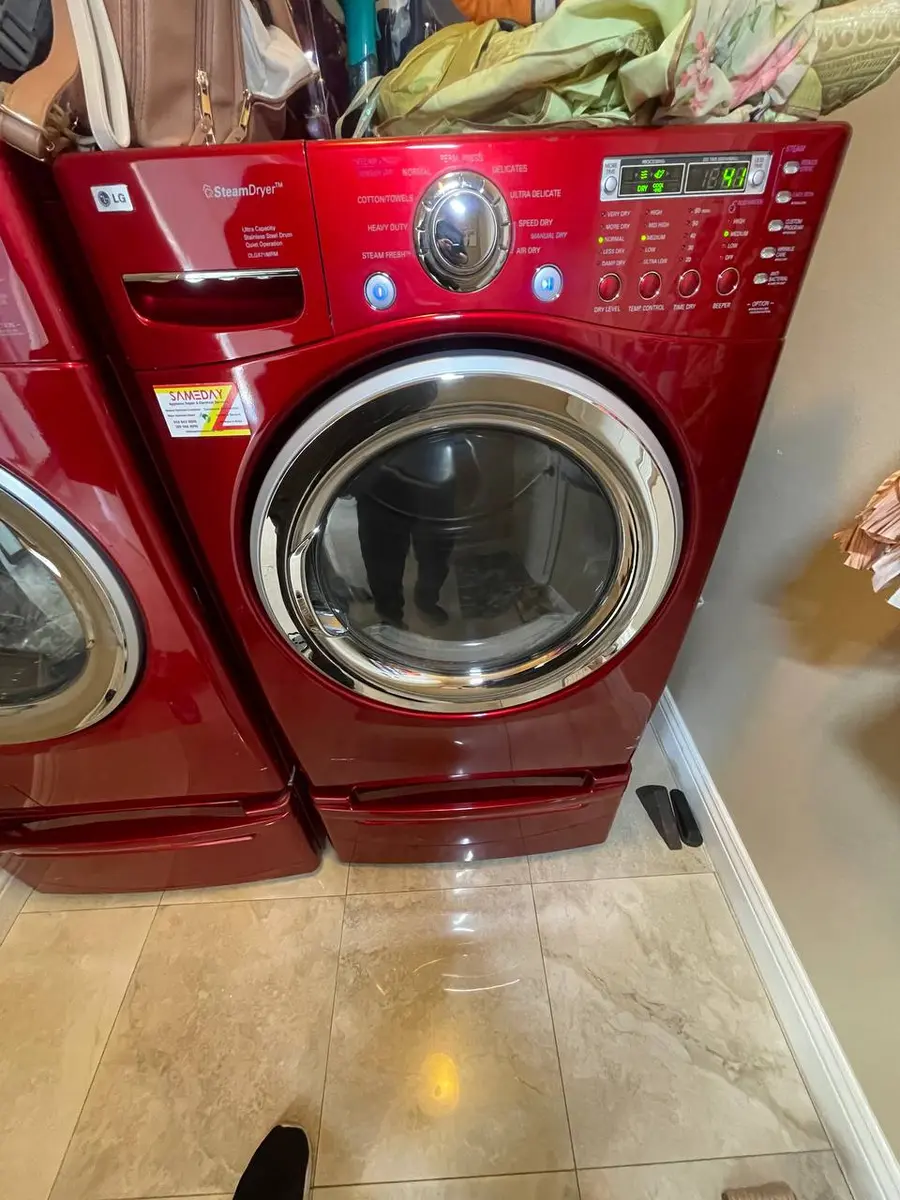
How to Replace an LG Dryer Thermal Fuse
The thermal fuse is a one-time safety device that permanently breaks the electrical circuit if the dryer's internal temperature exceeds a safe threshold (typically 250-300F). On LG dryers, a blown thermal fuse results in a completely dead dryer (no tumble, no heat, no response to start button) because LG places the fuse in the main power circuit rather than just the heat circuit.
The thermal fuse blows because of excessive heat — in 90% of cases caused by a restricted exhaust vent system. Replacing the fuse without cleaning the vent guarantees repeat failure. This guide covers testing, replacement, and the mandatory vent cleaning that must accompany fuse replacement.
Before You Start
- Tools needed: Multimeter, Phillips #2 screwdriver, 1/4-inch nut driver, dryer vent brush kit
- Parts needed: LG thermal fuse (model-specific, $5-15) — also consider replacing the high-limit thermostat ($10-20)
- Time required: 30-45 minutes (plus vent cleaning time)
- Difficulty: Beginner to Intermediate
- Safety warning: Unplug the dryer. Allow 30 minutes cooling if the dryer was recently running.
Do You Have the Right Tools?
Gas leak detector ($130), thermal fuse tester ($95), belt tension gauge, and vent inspection camera ($180). Our technician arrives with $15K+ in professional tools — your diagnostic is free.
Licensed & Insured · 90-Day Warranty · Same-Day Service
Step-by-Step Instructions
Step 1: Locate the Thermal Fuse
On LG dryers, the thermal fuse is mounted on the blower housing (most common) or on the exhaust duct inside the dryer. Access is from the rear panel. Remove the rear panel (Phillips screws around perimeter). The fuse is a small rectangular or oval device with 2 wire terminals, usually white or gray in color.
Step 2: Test the Thermal Fuse
Disconnect one wire from the fuse terminal. Set multimeter to continuity or resistance. Touch probes to both fuse terminals: continuity (0 ohms) means the fuse is good — your problem is elsewhere. OL (infinity) means the fuse is blown and needs replacement.
Step 3: Replace the Thermal Fuse
Remove the second wire from the fuse. Remove the mounting screw. Install the new fuse in the same position and reconnect both wires to the correct terminals. The fuse is not polarized — either wire can go on either terminal.
Step 4: Clean the Exhaust Vent System (Mandatory)
THIS STEP IS NOT OPTIONAL. The thermal fuse blew because the dryer overheated due to restricted airflow. Clean the entire vent system from the dryer exhaust to the exterior vent hood using a vent brush kit. Also vacuum the lint from inside the dryer around the blower housing.
Verify the exterior vent hood flap opens freely. Run the dryer and confirm strong airflow at the exterior vent.
Step 5: Inspect Related Components
While the rear panel is off, also test the high-limit thermostat (mounted near the element housing). This device is a resettable thermal safety — it should show continuity when cool. If it tested open, it has also tripped and may need replacement (though it is supposed to reset automatically when cool).
Step 6: Test
Reinstall the rear panel. Plug in and start the dryer. It should start immediately (if the fuse was the only issue). Run a complete high-heat cycle and verify consistent heating throughout. Check FlowSense — it should show clear (no vent blockage codes).
Troubleshooting Common Issues
- Dryer still dead after fuse replacement: test the door switch, start switch, and motor. The dead symptom has multiple possible causes — the fuse is just the most common
- New fuse blows again within days: the vent is still restricted. Clean more aggressively — the blockage may be deep in the wall duct. Consider professional vent cleaning with industrial blower
- Dryer starts but no heat (fuse was only in heat circuit on your model): on some LG models, there is a second thermal fuse specifically for the heat circuit in addition to the main one. Test both
Safety First — Know the Risks
Gas dryers carry carbon monoxide and explosion risk. Even electric dryers involve 240V circuits that can deliver a fatal shock. Our techs are licensed and insured — let them handle the risk.
Licensed & Insured · 90-Day Warranty · Same-Day Service
When to Call a Professional
- If the vent runs through walls/ceiling and cannot be fully cleaned with a brush kit
- If fuses keep blowing despite clean vent (may indicate a cycling thermostat stuck closed, causing element to run continuously)
Same-Day Appliance Repair
Fixed or It's Free
$89 → $0 Service Call & Diagnosis — offer ends May 25
Cost Comparison: DIY vs Professional
| DIY | Professional | |
|---|---|---|
| Parts | $5-15 (fuse) | $5-15 |
| Labor | $0 | $120-180 |
| Time | 30-45 min + vent clean | 30-40 min |
| Risk | Low | Diagnosis + vent clean included |
The Real Cost of DIY
Average DIY attempt: $150-400 in tools you may use once, plus the risk of further damage. Our diagnostic visit costs $0 — we find the problem and give you an honest quote.
Licensed & Insured · 90-Day Warranty · Same-Day Service
Need Professional Help?
FAQ
Q: Why did my LG dryer thermal fuse blow? A: A blocked exhaust vent caused the dryer to overheat. The thermal fuse sacrificed itself to prevent fire. Always clean the vent system when replacing the fuse.
Q: Can I bypass the thermal fuse temporarily? A: Never. The thermal fuse is a critical fire safety device. Operating without it risks the dryer overheating and potentially catching fire. Replace immediately.
Q: How can I prevent thermal fuse failure? A: Clean the lint filter after every load, clean the exhaust vent system annually (or more often for long vent runs), and verify the exterior vent hood is not blocked.
Q: Is the thermal fuse the same as the thermostat? A: No. The thermal fuse is a one-time device that blows permanently. The thermostat is a resettable device that opens and closes to regulate temperature during normal operation. Both are safety devices but function differently.
Need a certified technician? Book same-day repair →