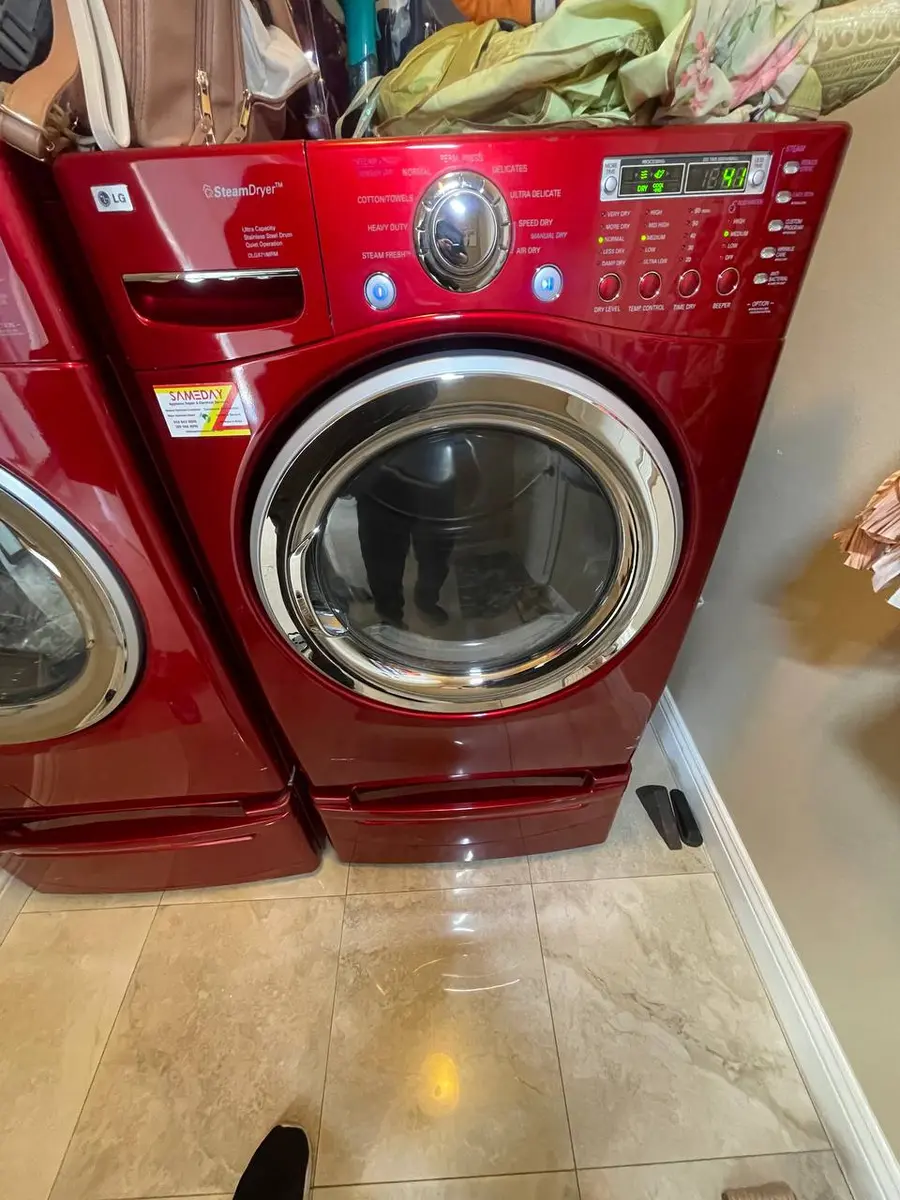
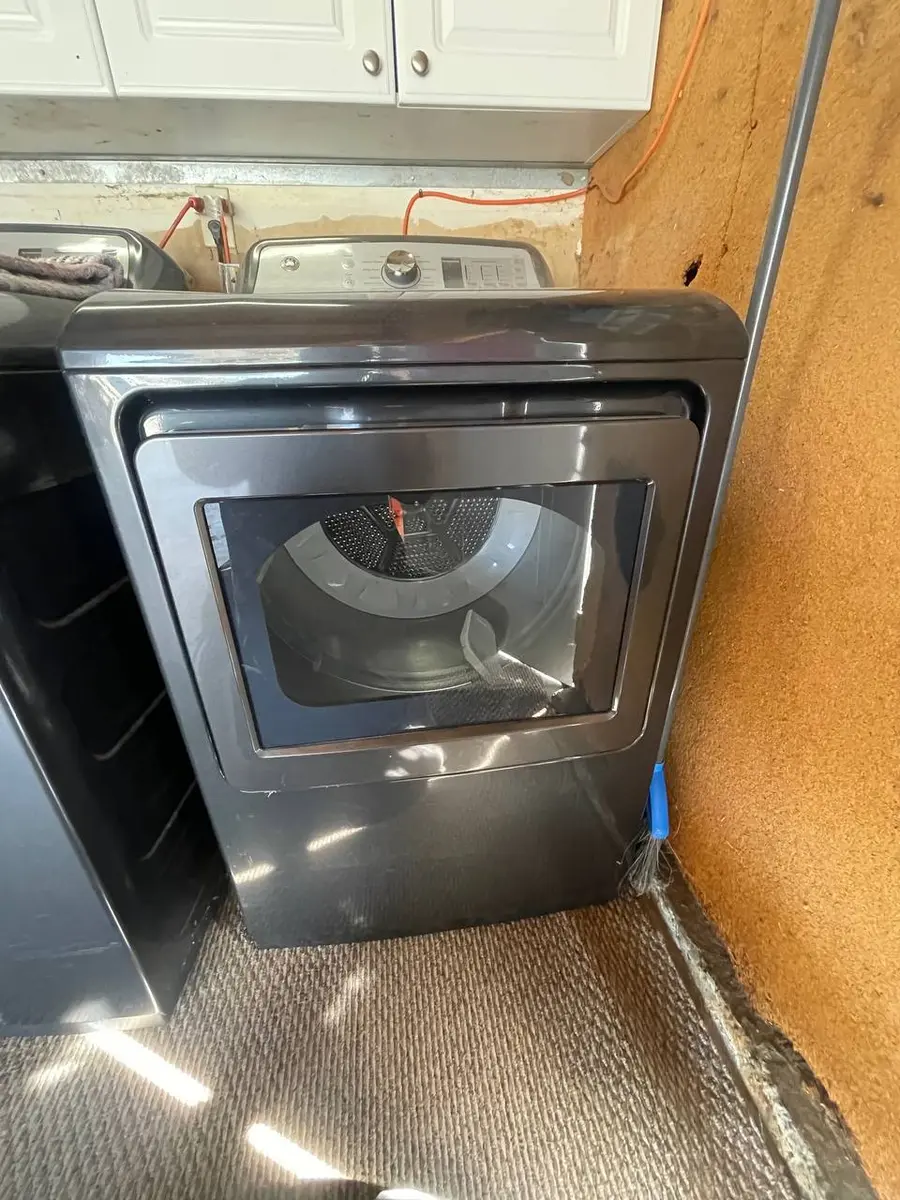
How to Repair Heating Element Wires on a KitchenAid Dryer
Sometimes the heating element coil itself is intact, but the connection wires between the element terminals and the dryer's wiring harness are damaged — burnt, corroded, or broken at the terminal. Rather than replacing the entire element assembly, you can repair just the wire connections using a heater wire repair kit. This is also the fix when element coils sag and contact the canister housing, creating a short.
KitchenAid electric dryers use the same rear-mounted element canister as Whirlpool. The element connects to the dryer harness via high-temperature wire leads with spade terminals.
Before You Start
- Tools needed: 1/4-inch hex nut driver, Phillips #2 screwdriver, wire cutters, needle-nose pliers, high-temperature wire crimps or ceramic wire nuts
- Parts needed: High-temperature element wire leads with terminals (~$10-20) or complete element if coils are broken
- Time required: 25-40 minutes
- Difficulty: Intermediate
- Safety warning: Unplug the dryer. Verify zero voltage at element terminals with multimeter before touching. Element area retains heat — wait 30 minutes after last cycle.
Do You Have the Right Tools?
Gas leak detector ($130), thermal fuse tester ($95), belt tension gauge, and vent inspection camera ($180). Our technician arrives with $15K+ in professional tools — your diagnostic is free.
Licensed & Insured · 90-Day Warranty · Same-Day Service
Step-by-Step Instructions
Step 1: Access the Element
Unplug the dryer. Remove the rear panel (8-12 hex screws around perimeter). The element canister is visible on the rear bulkhead — a metal housing with two wire terminals on the outside.
Step 2: Inspect the Wire Connections
Examine the wires connecting to the element terminals. Look for:
- Burnt or blackened terminal connections (most common failure point)
- Wire insulation melted or crumbling near terminals
- Loose spade connectors that arc and burn
- Wire broken inside its insulation (flex the wire — a break will be visible as a kink)
Step 3: Repair Burnt Terminals
If the wire terminal (spade connector) is burnt or corroded but the wire itself is good, cut the old terminal off and crimp a new high-temperature spade connector. Use connectors rated for 450F minimum (standard electrical connectors melt at dryer operating temperatures). Strip 1/4 inch of wire insulation, insert into the new terminal, and crimp firmly.
If the element terminal post itself is corroded, sand it lightly with fine sandpaper until shiny, then apply a thin coat of anti-oxidant compound before reconnecting.
Step 4: Replace Damaged Wire Sections
If the wire insulation is melted or the wire is broken, replace the damaged section with high-temperature appliance wire (same gauge as original — typically 14 AWG). Use ceramic wire nuts or high-temperature crimp connectors to join the new section. Never use standard plastic wire nuts inside a dryer — they melt.
Step 5: Fix Sagging Element Coils
If element coils have stretched and sag to contact the canister housing (causing intermittent shorts), you can often restore them by removing the element and repositioning the coils on their ceramic insulators. If a coil breaks during repositioning, the entire element needs replacement.
Step 6: Reassemble and Test
Reconnect all wires to element terminals firmly (push spade connectors on until fully seated). Reinstall rear panel. Plug in and run a high-heat cycle. Monitor the element area for arcing (sparks visible through vent slots) — none should be present with good connections.
When to Call a Professional
- If the element coil wire itself is broken (not just the connection wires) — full element replacement needed
- If multiple wire connections in the element circuit are burnt (suggests an overheating condition from vent blockage)
- If the element canister housing has holes or severe corrosion
Safety First — Know the Risks
Gas dryers carry carbon monoxide and explosion risk. Even electric dryers involve 240V circuits that can deliver a fatal shock. Our techs are licensed and insured — let them handle the risk.
Licensed & Insured · 90-Day Warranty · Same-Day Service
Cost Comparison: DIY vs Professional
| DIY | Professional | |
|---|---|---|
| Parts | $10-25 | $25-55 (full element) |
| Labor | $0 | $120-$200 |
| Time | 0.5h | 0.4h |
| Risk | Low | Warranty included |
Same-Day Appliance Repair
Fixed or It's Free
$89 → $0 Service Call & Diagnosis — offer ends May 25
Need Professional Help?
The Real Cost of DIY
Average DIY attempt: $150-400 in tools you may use once, plus the risk of further damage. Our diagnostic visit costs $0 — we find the problem and give you an honest quote.
Licensed & Insured · 90-Day Warranty · Same-Day Service
FAQ
Q: Can I use regular wire nuts inside my dryer? A: Never. Standard plastic wire nuts melt at dryer operating temperatures. Use only ceramic wire nuts or high-temperature crimp connectors rated for 450F or higher.
Q: Why do element wire connections burn? A: Loose spade terminals arc during operation, generating intense localized heat that burns the terminal and wire. Always ensure connections are pushed on firmly and fully seated.
Q: Is it better to repair the wire or replace the whole element? A: If only the terminal connection is burnt and the element coil tests good (shows resistance), wire repair saves money. If the coil itself is broken or multiple connections are burnt, replace the entire element.
Q: What gauge wire should I use for element connections? A: Match the original — typically 14 AWG for residential dryer elements. Use wire rated for high-temperature applications (THHN or appliance-specific high-temp wire).
Need a certified technician? Book same-day repair →