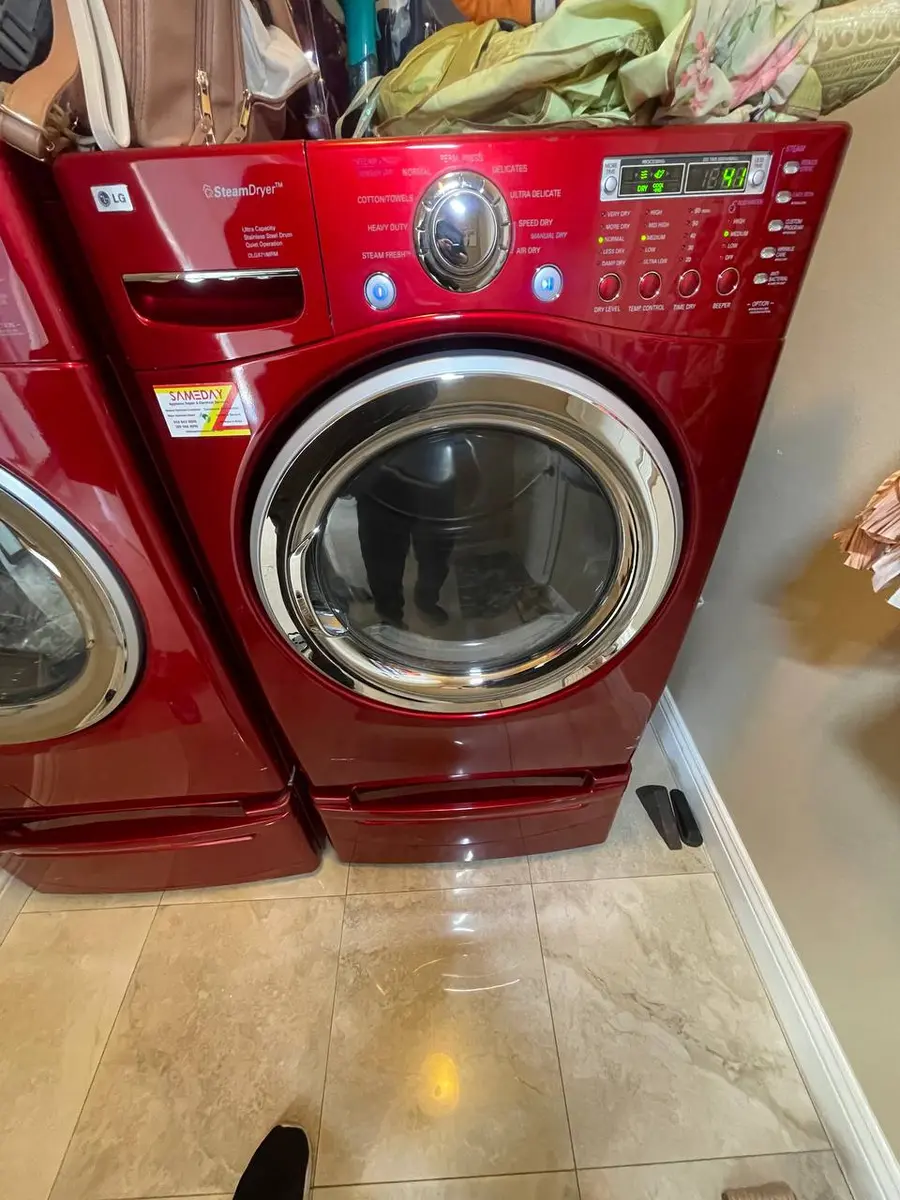
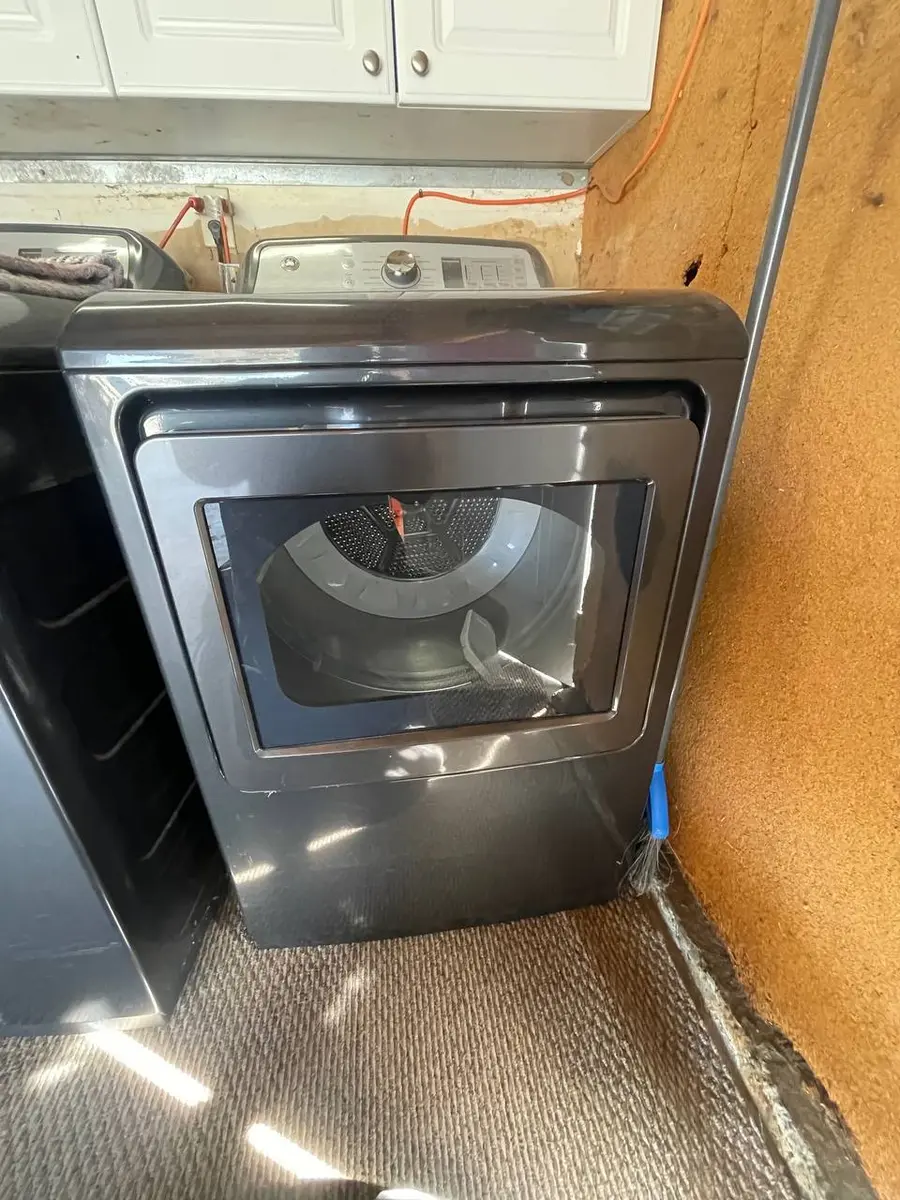
How to Replace the Heating Element on a KitchenAid Electric Dryer
The heating element is the most common cause of a KitchenAid electric dryer that runs but produces no heat. The element is a coiled resistance wire inside a metal canister, mounted to the rear bulkhead of the dryer cabinet. When the wire breaks (usually from age and thermal cycling), the circuit opens and no heat is generated.
KitchenAid dryers use the same element design as Whirlpool premium models. The most common part number is 279838 or its WP-prefix variant. Models equipped with ProDry have a secondary element in addition to the main one — both can be tested and replaced independently.
Before You Start
- Tools needed: 1/4-inch hex nut driver, Phillips #2 screwdriver, digital multimeter, needle-nose pliers
- Parts needed: Heating element assembly — 279838 or model-specific equivalent (~$25-55)
- Time required: 30-45 minutes
- Difficulty: Beginner to Intermediate
- Safety warning: Unplug the dryer. Verify with a multimeter that no voltage is present at the element terminals before touching them. The element canister retains heat — allow 30 minutes cooling.
Do You Have the Right Tools?
Gas leak detector ($130), thermal fuse tester ($95), belt tension gauge, and vent inspection camera ($180). Our technician arrives with $15K+ in professional tools — your diagnostic is free.
Licensed & Insured · 90-Day Warranty · Same-Day Service
Step-by-Step Instructions
Step 1: Access the Element from the Rear
Unplug the dryer and pull it away from the wall. Remove the rear panel screws (8-12 screws, typically 1/4-inch hex) around the perimeter. Lift the panel off. The heating element canister is visible on the right side of the rear bulkhead (when facing the back).
Step 2: Test the Element
Before removing, confirm the element is faulty. Set your multimeter to resistance (ohms). Disconnect one wire from the element terminals and test across both terminals. A good element reads 8-20 ohms (varies by wattage). An open reading (infinite resistance/OL) confirms a broken element wire. If the element reads near zero ohms, it is shorted to the housing and must be replaced.
Step 3: Disconnect and Remove the Element
Disconnect the two wire terminals from the element (pull off spade connectors with needle-nose pliers — note which color goes where). Remove the one or two mounting screws securing the element canister to the rear bulkhead. Slide the element canister out through the bulkhead opening.
Step 4: Install the New Element
Slide the new element canister into the bulkhead opening. Ensure the heating coil does not contact the canister walls (the coils should float freely on their ceramic insulators). Secure with mounting screws. Connect the wire terminals to the element — polarity does not matter for a resistive element.
Step 5: Check the ProDry Element (If Equipped)
If your KitchenAid dryer has the ProDry system, there is a second smaller element mounted facing into the drum interior from the rear bulkhead. Test it the same way (should show resistance, not open). If both elements failed simultaneously, check the cycling thermostat and high-limit thermostat as the root cause.
Step 6: Reinstall Rear Panel and Test
Reinstall the rear panel with all screws. Plug in the dryer and run a High Heat timed cycle. Feel the exhaust at the exterior vent within 2-3 minutes — it should be hot. If no heat, recheck wire connections. If the element glows red through the exhaust vent but trips the high-limit thermostat quickly, the exhaust vent is restricted (clean it).
Also Check These Components
When replacing a heating element, always test these related components — if they caused the element to overheat, they will kill the new element too:
- Thermal fuse — should show continuity. If open, it blew because of overheating (vent restriction)
- High-limit thermostat — should show continuity at room temperature
- Cycling thermostat — should show continuity at room temperature
- Exhaust vent — must be clear. A restricted vent causes the element to overheat and burn out prematurely
Safety First — Know the Risks
Gas dryers carry carbon monoxide and explosion risk. Even electric dryers involve 240V circuits that can deliver a fatal shock. Our techs are licensed and insured — let them handle the risk.
Licensed & Insured · 90-Day Warranty · Same-Day Service
When to Call a Professional
- If the element keeps burning out (indicates a vent restriction or thermostat failure allowing overheating)
- If the element canister is corroded and crumbling (the bulkhead opening may need metalwork)
- If the ProDry element is inaccessible without drum removal on your specific model
Same-Day Appliance Repair
Fixed or It's Free
$89 → $0 Service Call & Diagnosis — offer ends May 25
Cost Comparison: DIY vs Professional
| DIY | Professional | |
|---|---|---|
| Parts | $25-55 | $25-55 |
| Labor | $0 | $120-$200 |
| Time | 0.5-0.75h | 0.4h |
| Risk | Low | Warranty included |
The Real Cost of DIY
Average DIY attempt: $150-400 in tools you may use once, plus the risk of further damage. Our diagnostic visit costs $0 — we find the problem and give you an honest quote.
Licensed & Insured · 90-Day Warranty · Same-Day Service
Need Professional Help?
FAQ
Q: Is part 279838 compatible with my KitchenAid dryer? A: 279838 is one of the most common element part numbers for Whirlpool Corporation dryers. It fits many KitchenAid models but verify with your model number — some models use different wattage elements.
Q: What causes heating elements to fail? A: Thermal cycling (heating and cooling thousands of times) eventually causes metal fatigue in the coil wire. Restricted exhaust vents cause premature failure by forcing the element to run hotter than designed.
Q: How do I know if it is the element or the thermal fuse? A: Test both with a multimeter. A blown thermal fuse prevents the dryer from running at all (not just heating). A failed element allows the dryer to tumble but without heat.
Q: What is the difference between the main element and ProDry element? A: The main element is in a canister at the rear bulkhead and provides primary heat. The ProDry element is smaller, faces into the drum directly, and supplements heat for more efficient moisture removal. Your dryer may have one or both depending on model.
Need a certified technician? Book same-day repair →