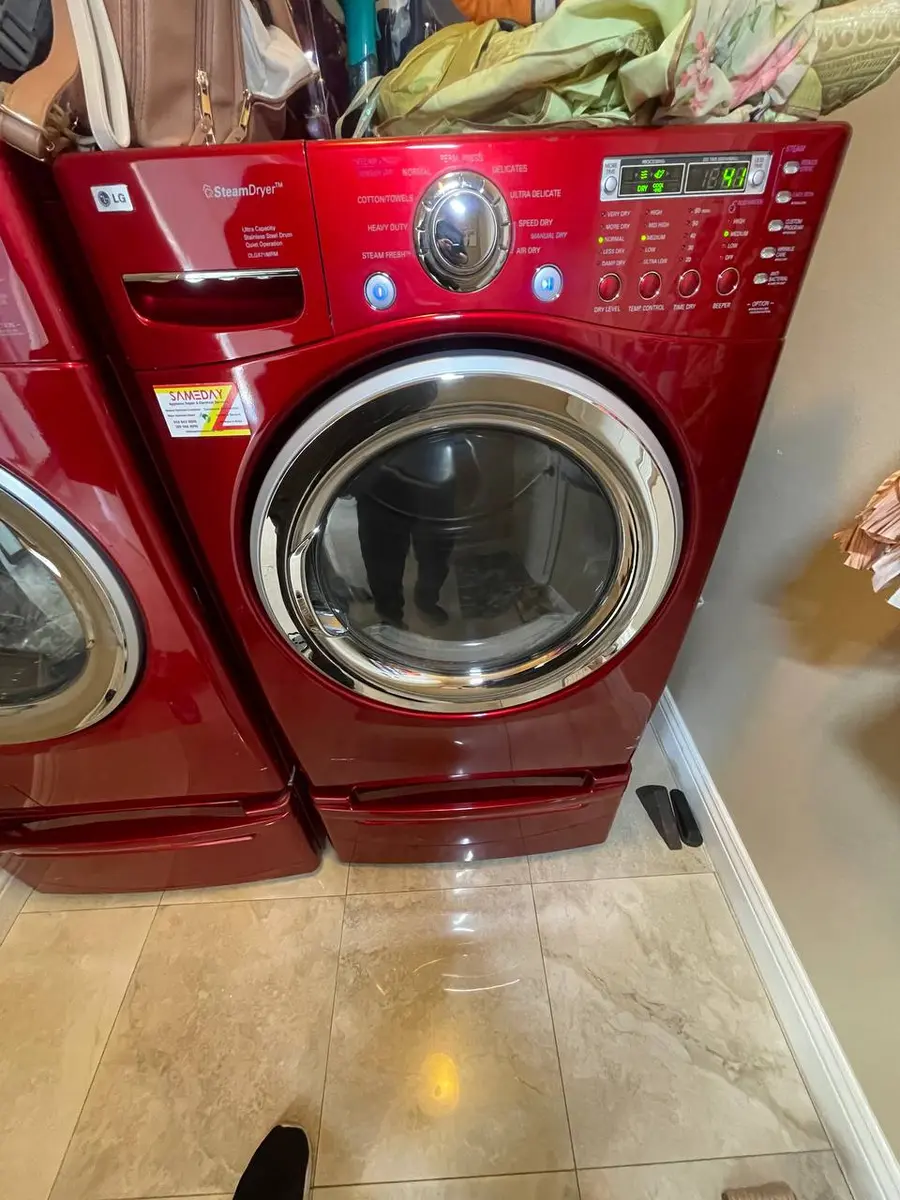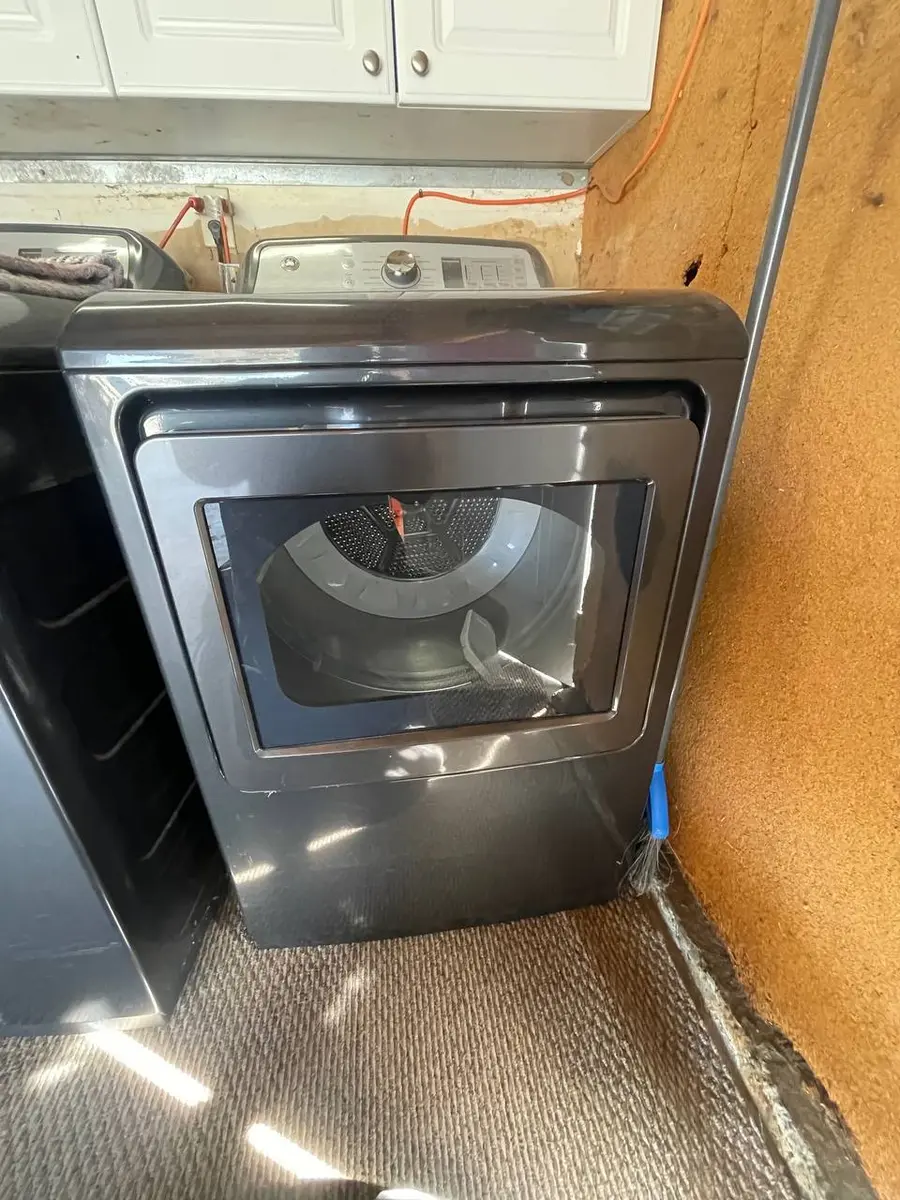
How to Replace Bosch Dryer Moisture Sensors (AutoDry Sensor Bars)
The moisture sensor bars inside a Bosch dryer drum detect remaining moisture in clothes by measuring electrical conductivity. When clothes tumble against the bars, the sensors read their moisture level and signal the AutoDry system to stop when dry. Dirty or failed sensors cause: premature cycle stopping (clothes still damp), over-drying, or E32 error codes.
In most cases, cleaning with 400-grit sandpaper resolves sensor issues. Actual sensor bar replacement is needed only if the bars are physically damaged, corroded through, or if cleaning does not resolve E32 errors.
Before You Start
- Tools needed: Torx T20 screwdriver (for panel access if needed), 400-grit sandpaper, multimeter, white vinegar, microfiber cloth
- Parts needed: Bosch moisture sensor bars (model-specific, $20-$40) — only if cleaning fails
- Time required: 15-30 minutes
- Difficulty: Beginner
- Safety warning: Unplug the dryer before cleaning or replacing sensors. The sensors carry low voltage during operation but the machine should be off for any work inside the drum.
Do You Have the Right Tools?
Gas leak detector ($130), thermal fuse tester ($95), belt tension gauge, and vent inspection camera ($180). Our technician arrives with $15K+ in professional tools — your diagnostic is free.
Licensed & Insured · 90-Day Warranty · Same-Day Service
Step-by-Step Instructions
Step 1: Try Cleaning First (Resolves 90% of Cases)
Locate the two metal sensor bars inside the drum — they are narrow metal strips near the front of the drum opening (usually running vertically just inside the door frame area). Clean them with 400-grit sandpaper: 5-6 gentle strokes along the length of each bar. Wipe with a cloth dampened with white vinegar. Dry completely.
Run a test load on AutoDry. If the machine now stops at the correct time (clothes are dry), the sensors were just dirty. No replacement needed.
Step 2: If Cleaning Fails — Test the Sensors
With the dryer unplugged, use a multimeter to test continuity between each sensor bar and its wiring connector (access from the front panel or behind the drum front seal). There should be continuity (near-zero ohms) between the bar and the connector pin. Open circuit means the sensor bar connection has broken (corrosion at the mounting point or broken wire).
Step 3: Replace the Sensor Bars
If replacement is needed: access depends on your model. On most Bosch dryers, the sensor bars are riveted or screwed into the drum front flange. Remove the front panel for access to the mounting points from outside the drum. Remove mounting hardware, disconnect wiring, extract old bars. Install new bars, reconnect wiring, secure mounting.
Step 4: Calibrate After Replacement
Run one full cycle on Timed Dry (bypasses sensors) to confirm heating works. Then switch to AutoDry with a small damp towel load. The system recalibrates over 3-5 cycles. If stopping too early or late after replacement, access Service menu and run Sensor Calibration.
Troubleshooting
- AutoDry stops too early (clothes damp): Sensors reading "dry" prematurely. Mineral deposits on bars are the cause 90% of the time — clean with 400-grit.
- AutoDry runs too long (over-drying): Sensors not detecting low moisture levels. May be dirty or sensor wiring has high resistance (corroded connector).
- E32 error: Sensor circuit fault. Check wiring continuity from bars to control board connector. Broken wire or corroded connection.
Safety First — Know the Risks
Gas dryers carry carbon monoxide and explosion risk. Even electric dryers involve 240V circuits that can deliver a fatal shock. Our techs are licensed and insured — let them handle the risk.
Licensed & Insured · 90-Day Warranty · Same-Day Service
Cost Comparison: DIY vs Professional
| DIY | Professional | |
|---|---|---|
| Parts | $0 (cleaning) or $20-$40 (replacement) | Same |
| Labor | $0 | $120-$200 |
| Time | 15-30 min | 15-25 min |
| Risk | Very low | Warranty included |
Same-Day Appliance Repair
Fixed or It's Free
$89 → $0 Service Call & Diagnosis — offer ends May 25
Need Professional Help?
The Real Cost of DIY
Average DIY attempt: $150-400 in tools you may use once, plus the risk of further damage. Our diagnostic visit costs $0 — we find the problem and give you an honest quote.
Licensed & Insured · 90-Day Warranty · Same-Day Service
FAQ
Q: How often should I clean the moisture sensors? A: Every 3-4 months. Monthly if you use liquid fabric softener (coats sensors faster). 400-grit sandpaper is the recommended cleaning tool.
Q: Why 400-grit specifically? A: Coarser grits scratch the sensor surface and create pitting that traps more residue. Finer grits may not remove hard mineral deposits. 400-grit is the balance recommended by BSH service documentation.
Q: Does fabric softener cause sensor problems? A: Yes — liquid fabric softener leaves a residue film on the sensor bars that insulates them from making electrical contact with damp fabric. Dryer sheets are less problematic but still leave some residue.
Q: Can I disable AutoDry and use Timed Dry only? A: Yes — Timed Dry bypasses the sensors entirely. However, this means you may over-dry or under-dry depending on load size. Cleaning the sensors is a better long-term solution.
Need a certified technician? Book same-day repair →