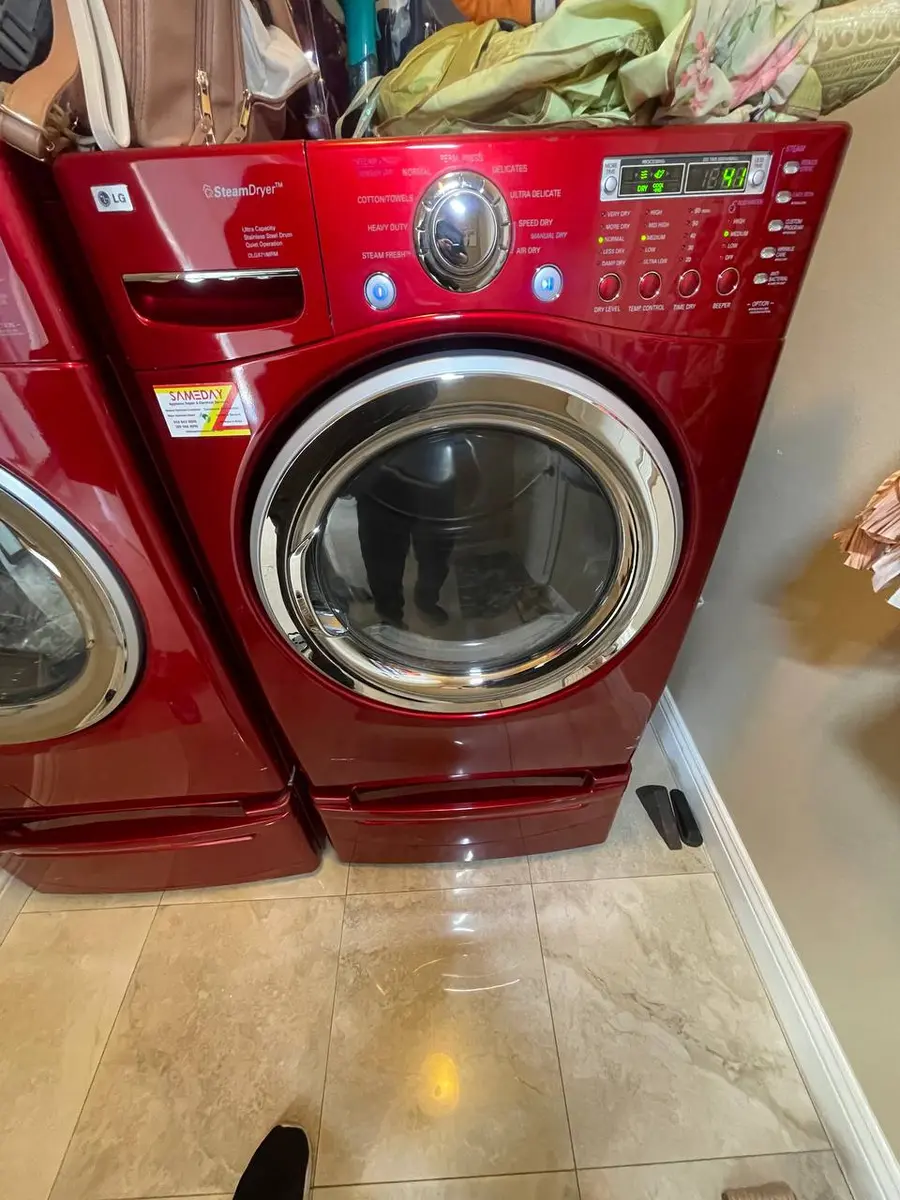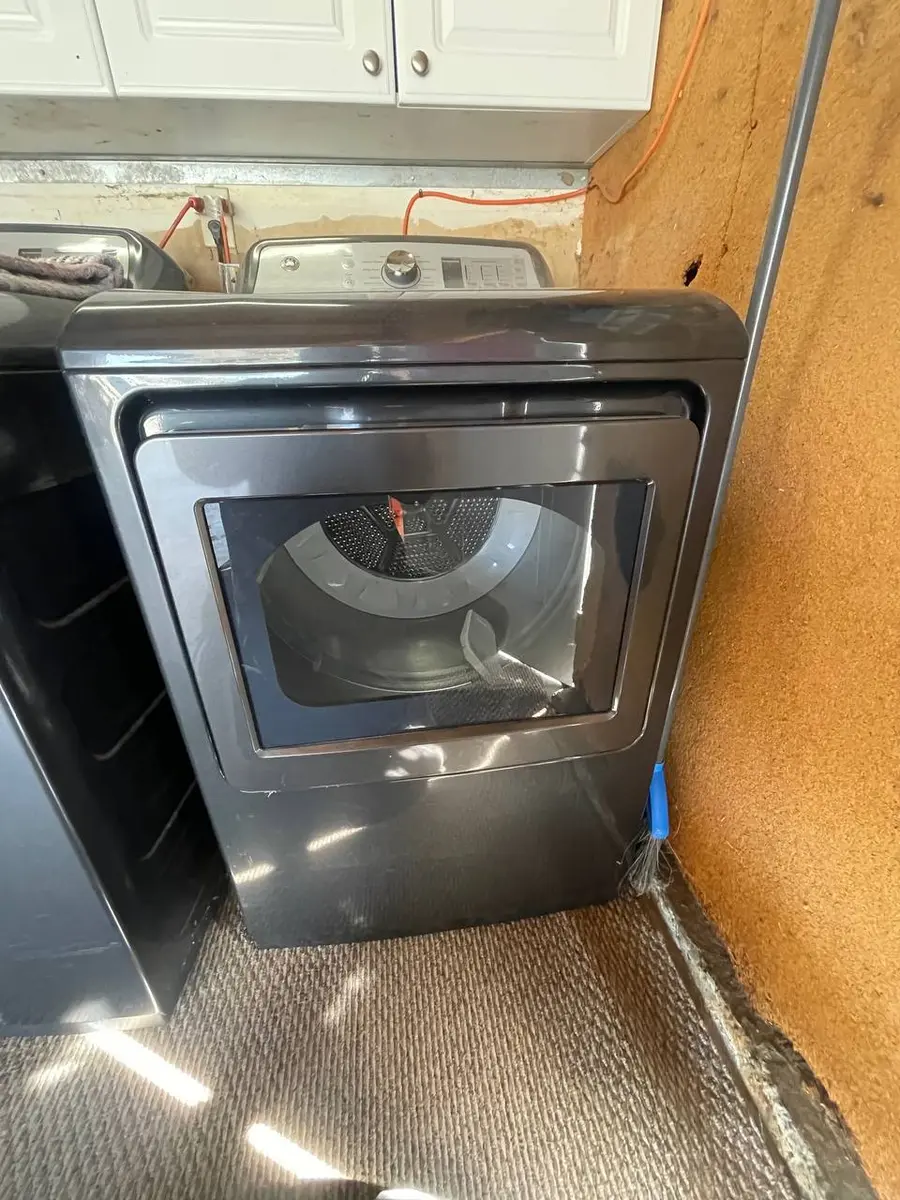
How to Clean a Bosch Dryer
Cleaning a Bosch heat-pump dryer means clearing the lint filter and its housing every load, sanding and wiping the moisture-sensor bars, and rinsing the self-cleaning condenser and heat exchanger, plus emptying the water tank. It is a beginner 35-45 minute routine with a Torx T20 driver, a soft-brush vacuum, 400-grit…
A heat-pump Bosch has no external vent, so its efficiency lives or dies on a clean lint filter, condenser, and heat exchanger rather than a ductwork sweep. A musty smell almost always traces to biofilm in the drain-water tank, which just needs a warm soapy wash.
Before You Start#
- Tools needed: Torx T20 screwdriver, vacuum with soft brush attachment, 400-grit sandpaper (small sheet), microfiber cloths (2-3), flashlight
- Supplies needed: White vinegar, warm water, cotton swabs
- Time required: 35-45 minutes
- Difficulty: Beginner
- Safety warning: Unplug the dryer from the wall outlet before any cleaning. Never reach into the lint filter housing without first disconnecting power — the fan blade is directly behind it on some models.
Do You Have the Right Tools?
Gas leak detector ($130), thermal fuse tester ($95), belt tension gauge, and vent inspection camera ($180). Our technician arrives with $3,000+ in professional tools — your diagnostic is free.
Licensed & Insured · 90-Day Warranty · Same-Day Service
Step-by-Step Instructions#
Step 1: Clean the Lint Filter (After Every Load)#
The Bosch lint filter sits in the door opening — pull it straight up by the tab. This two-layer mesh filter catches most lint during drying. Peel lint off both mesh surfaces by hand or use a slightly damp cloth to pick up fine fibers. Do NOT rinse the filter under water unless it is visibly clogged with fabric softener residue — frequent rinsing can damage the fine mesh on Bosch filters.
If the filter mesh appears glazed over (fabric softener buildup), soak it in warm water with a splash of white vinegar for 10 minutes, then gently scrub with a soft brush and allow to air-dry completely before reinserting. A clogged lint filter is the number one cause of extended drying times and will trigger the "Clean Filter" indicator light.
Step 2: Clean the Lint Filter Housing#
With the filter removed, look down into the filter slot with a flashlight. You will see lint accumulation on the walls of the housing and around the lower seal. Use the vacuum with the soft brush attachment to suction out loose lint from inside the housing. Reach the corners with a slightly damp cloth wrapped around a long flathead screwdriver (carefully — do not scratch the housing walls).
On Bosch models with a secondary fine-mesh filter at the bottom of this housing, remove it (it lifts out) and vacuum both sides. This secondary filter is often overlooked and can halve airflow when clogged.
Step 3: Clean the Moisture Sensor Bars#
Inside the drum, locate the two narrow metal bars near the front of the drum opening — they run vertically (or horizontally on some models) just inside the door frame area. These are the AutoDry moisture sensors. When clothes tumble against them, they measure electrical conductivity to determine remaining moisture content.
Over time, mineral deposits from hard water and fabric softener residue coat these bars, causing inaccurate readings. The dryer may stop too early (clothes still damp) or run too long (over-drying and wasting energy).
Clean the sensor bars with 400-grit sandpaper — gently rub along the length of each bar 5-6 times. This removes the invisible mineral film without scratching deeply enough to damage the sensors. Follow up by wiping with a cloth dampened with white vinegar, then dry with a clean cloth. Do this every 3-4 months, or monthly if you have hard water or use liquid fabric softener frequently.
Step 4: Access and Clean the Heat Exchanger (Heat Pump Models)#
On Bosch WTW series heat pump dryers, the heat exchanger (condenser) is located behind a panel at the bottom-front of the machine. Open the kickplate panel at the bottom (press tabs on both sides or use a flathead screwdriver to release clips). You will see a rectangular access door with a latch — flip the latch and pull the door open.
The heat exchanger slides out on rails. Pull the handle toward you to extract it. The fins will have accumulated lint that the self-cleaning system missed — this is normal, especially in households with pets or heavy towel usage.
Vacuum both sides of the heat exchanger with the soft brush attachment. Work gently — the aluminum fins bend easily. Do NOT use water or compressed air — water causes corrosion in the sealed heat pump circuit, and compressed air pushes lint deeper between fins. If fins are bent, use a fin comb (available at HVAC supply stores) to straighten them, restoring airflow.
Slide the heat exchanger back in until it clicks, close the access door, and replace the kickplate.
Step 5: Clean the Self-Cleaning Condenser Nozzles (If Applicable)#
Bosch heat pump dryers with the "SelfCleaning Condenser" feature use small water jets to flush lint off the condenser automatically during each cycle. These nozzles can themselves become clogged with mineral deposits.
With the heat exchanger removed (Step 4), look at the top of the cavity — you will see small spray nozzles. Wipe them with a cotton swab dipped in white vinegar. If buildup is heavy, soak the cotton swab and hold it against each nozzle for 30 seconds before wiping. You cannot remove these nozzles — they are integrated into the housing.
If your dryer displays "Clean Heat Exchanger" despite the self-cleaning system, clogged nozzles are the likely cause.
Step 6: Clean the Drum Interior#
Fabric softener residue creates a thin film inside the drum that can transfer to clothes and reduce sensor accuracy. Wipe the entire drum interior with a cloth dampened with white vinegar. Pay attention to the drum paddles (lifters) — lint accumulates in the seam where they attach to the drum wall.
Do not use abrasive cleaners inside the drum. The Bosch drum surface has a smooth finish specifically designed to reduce fabric abrasion during tumbling.
Step 7: Check and Clean the Exhaust Vent (Vented Models Only)#
Bosch WTG vented dryers exhaust moist air through a vent hose. Disconnect the hose from the back of the dryer (usually a clamp or push-fit connector) and check for lint accumulation inside. Run the vacuum through the hose or use a dryer vent brush. Also check the wall vent hood flap on the exterior of your home — a stuck flap reduces airflow significantly.
Condenser and heat pump models (WTW series) do not have an exhaust vent — they collect water in a removable tank or drain directly to plumbing. If your model has a drain tank, remove it and rinse under running water quarterly.
Recommended Cleaning Schedule#
| Task | Frequency |
|---|---|
| Lint filter | After every load |
| Filter housing vacuum | Monthly |
| Moisture sensor bars (400-grit) | Every 3-4 months |
| Heat exchanger (heat pump models) | Every 4-6 months |
| Self-cleaning nozzles | Every 6 months |
| Drum wipe-down | Every 3 months |
| Exhaust vent (vented models) | Annually |
Safety First — Know the Risks
Gas dryers carry carbon monoxide and explosion risk. Even electric dryers involve 240V circuits that can deliver a fatal shock. Our techs are licensed and insured — let them handle the risk.
Licensed & Insured · 90-Day Warranty · Same-Day Service
Troubleshooting Common Issues#
- Clothes still damp after full cycle: First clean the moisture sensors (Step 3). If the problem persists, clean the heat exchanger (Step 4). AutoDry relies on sensor accuracy — dirty sensors cause premature cycle termination.
- "Clean Filter" light stays on after cleaning: There is a secondary filter below the main lint filter in the housing. Remove and clean it. Also vacuum the housing walls thoroughly.
- Dryer takes twice as long as usual: On heat pump models, a clogged heat exchanger is the primary cause. On vented models, check the exhaust vent for blockage. Both conditions restrict airflow and force the machine to run extended cycles.
- Musty smell from dryer: The drain water tank needs cleaning — biofilm grows inside. Remove, wash with warm soapy water, and dry. On plumbed-drain models, run a cloth through the drain hose connection point.
- Error code E64 (heating error): Not a cleaning issue — this indicates a heat pump system fault. Call a professional.
When This Repair Won't Solve It#
- An E64 error with total heat loss is a refrigerant issue in the sealed heat pump, not a cleaning problem.
- A drum that will not turn is a broken belt or seized motor bearing, unrelated to any filter.
- A persistent burning smell during operation points at motor brushes or a wiring fault and needs to stop the machine.
The Real Cost of DIY
Average DIY attempt: $150-400 in tools you may use once, plus the risk of further damage. Our diagnostic visit costs $0 — we find the problem and give you an honest quote.
Licensed & Insured · 90-Day Warranty · Same-Day Service
When Should You Call a Professional?#
EasyBear technicians serving Sacramento and the Bay Area carry Bosch-specific diagnostic tools and replacement parts on every service call.
- Heat pump refrigerant leak (indicated by E64 error and complete loss of heating)
- Drum not turning (broken belt or seized motor bearing — not a cleaning issue)
- Persistent burning smell during operation (motor brushes or wiring fault)
- Machine trips the circuit breaker during startup
- Self-cleaning condenser system flooding (water on floor near dryer)
Don't Void Your Warranty
Opening your appliance yourself may void the manufacturer warranty. Our repair comes with a 90-day guarantee, and we document everything for warranty compliance.
Licensed & Insured · 90-Day Warranty · Same-Day Service
FAQ#
Q: My Bosch dryer says "SelfCleaning Condenser" — do I still need to clean it manually? A: Yes, periodically. The self-cleaning system handles about 80% of lint accumulation, but over time residual buildup reduces efficiency. Bosch recommends manual inspection every 6 months. In households with pets, check quarterly.
Q: Can I use a higher grit sandpaper on the moisture sensors? A: Use 400-grit specifically. Coarser grits (200, 320) may scratch the sensor surface and create pitting that traps more residue. Finer grits (600+) may not remove mineral deposits effectively. 400-grit is the sweet spot recommended by BSH service technicians.
Q: How do I recalibrate the AutoDry sensors after cleaning? A: On most Bosch models, run one full cycle on Timed Dry (not AutoDry) after cleaning the sensors. The system recalibrates itself during the next AutoDry cycle. If over-drying or under-drying continues, access Service menu (model-specific button combo) and select Sensor Calibration.
Q: Why does my Bosch heat pump dryer take longer than my old conventional dryer? A: Heat pump dryers operate at lower temperatures (50-60C vs 70-80C) to protect fabrics and save energy. Cycle times are typically 30-60 minutes longer than conventional dryers. If times have increased beyond what is normal for your model, clean the heat exchanger and sensors — reduced airflow or inaccurate sensors are the usual cause of progressively longer cycles.
Our field experience across Sacramento and Bay Area households confirms this approach resolves the issue reliably.
Still seeing the issue? Get a free diagnostic from an EasyBear technician — most repairs completed same day.
Lead Appliance Repair Technician · 12 years experience
Experienced technician with 12 years specializing in washing machine and dryer repairs across all major brands.