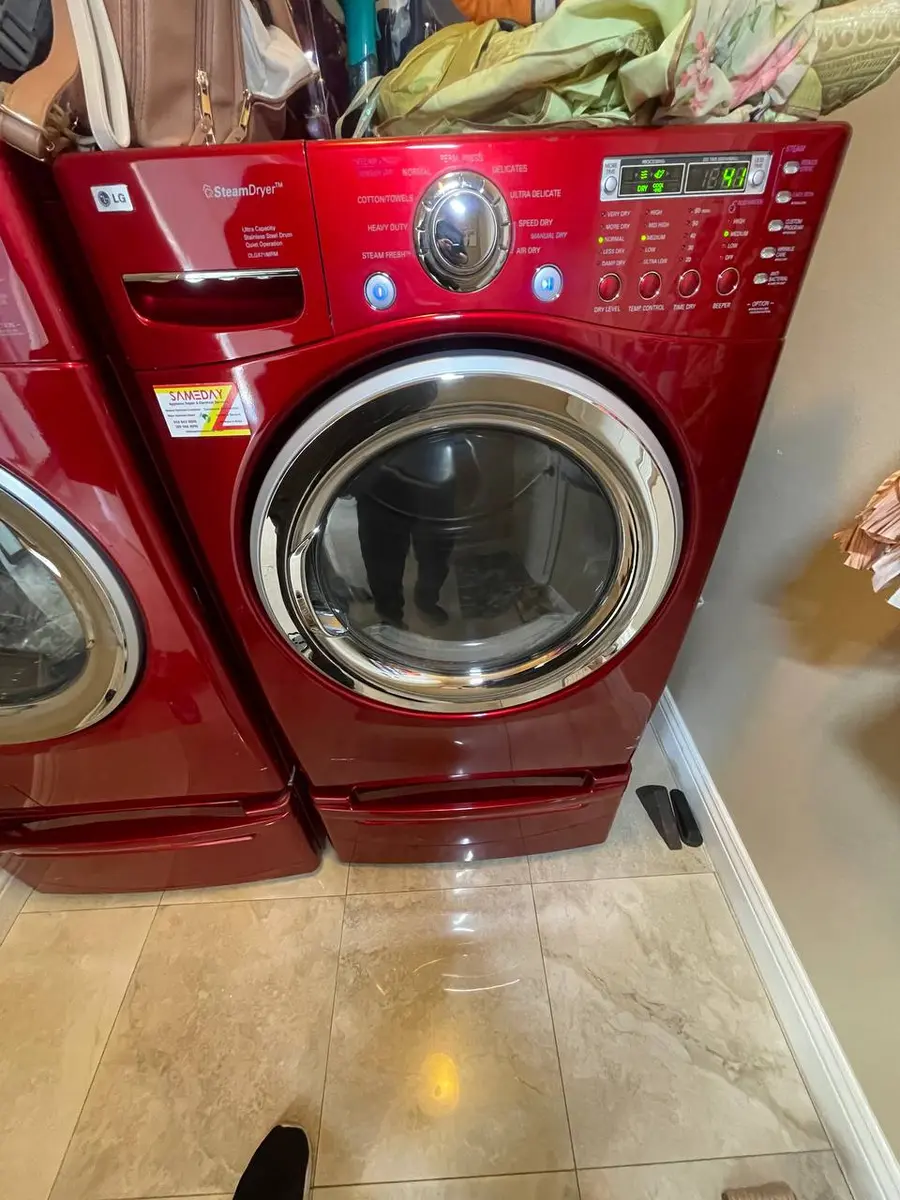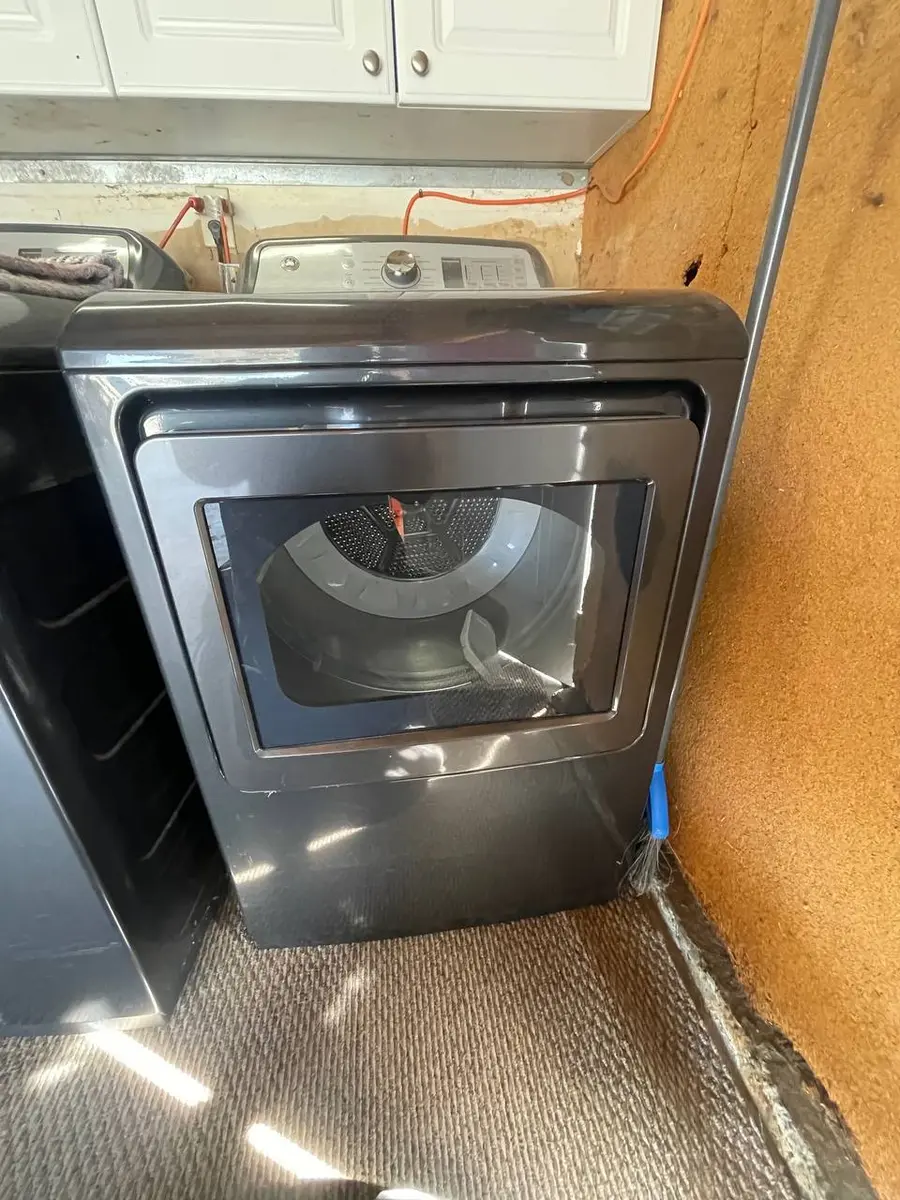
Bottom line: A dryer heating element is one of the most cost-effective appliance repairs there is, and it is worth doing on virtually any dryer under about 12 years old. Only walk away if the element bill somehow tops 50% of a new dryer.
The element is the heat source: when it burns out the drum still turns but the clothes come out cold and damp. Because the part itself is inexpensive and the fix is contained, the arithmetic almost always favors repair — with one important condition attached to why the element failed in the first place.
Before the new element goes in: what killed the old one#
This is the condition, and it is the whole difference between a repair that lasts years and one you pay for twice. An element does not usually wear out — it overheats, because the air that should be carrying the heat away is not moving. Pull the dryer out, disconnect the duct, and check the list below before anyone fits a part.
| What you find | What it did to the element | What has to happen with the repair |
|---|---|---|
| Lint trap packed, or a screen that water beads on instead of running through | Restricted airflow — the leading cause. The element cooks in its own heat because nothing carries it away | Clean it, and change the habit. This one is free and it is the most common cause of all. |
| The flexible duct behind the machine is crushed, kinked, or full of lint | Same mechanism, worse. The dryer was heating into a closed pipe | Clear or replace the duct in the same visit. A new element into this duct is a new element wasted. |
| A long duct run with several bends, or one going up to a roof cap | Marginal airflow by design rather than by neglect | It still works, but it needs clearing on a schedule. Expect to do this seasonally rather than never. |
| The thermal fuse has blown as well | Confirmation that the cabinet overheated — the fuse exists to prove exactly this | Renew the fuse with the element, and treat the vent as guilty until cleared. |
| The cycling thermostat no longer switches the element off | The element was held on past temperature until the coil failed | Replace it alongside. A new element under a stuck thermostat fails the same way, on the same schedule. |
| This is the second element in about a year | The cause was never found | Do not fit a third until the vent and the thermostat are both settled. The element is the symptom here, not the fault. |
| Recent electrical work, or lights that dim when the dryer runs | Supply voltage swinging outside what the element was built for | Worth having the circuit looked at before the new part goes in. |
| Vent clear, fuse intact, thermostat switching, first failure, dryer under 12 years | The element simply reached the end of its life | The straightforward yes. Fit the element, add the thermal fuse and high-limit thermostat as cheap insurance, and move on. |
Denominator: the causes above are the three this guide names — restricted airflow from a clogged lint trap or blocked vent hose, a cycling thermostat that no longer switches off, and swings in household voltage — plus the parts-availability window it cites, 10-15 years of stock after a model is retired. Three causes and one window, for electric dryers; a gas dryer has no heating element and none of this applies to it, and the ordering above is by how often each is found, not by any measurement of your own machine.
Why the element usually wins#
Heating elements are among the cheapest major components a dryer has, so replacing one on a unit with years left is an easy yes. The smart move is to change the thermal fuse and high-limit thermostat in the same visit; they are minor parts that often take the same abuse as the element, and doing them together heads off a fast repeat failure.
Verdict by age and repair size#
| Dryer age | Element-only job | Larger repair alongside |
|---|---|---|
| Under 5 years | Repair | Repair |
| 5 to 8 years | Repair | Repair |
| 8 to 12 years | Repair | Weigh it |
| Over 12 years | Repair | Replace |
Where the 50% line sits#
Run the same test used for any appliance: replace once a repair reaches half the cost of a new one. An element swap so rarely approaches that figure that the rule mostly serves to reassure you the fix is sound — the exception being an old dryer where several parts are failing at once.
| Repair vs a new dryer | Call |
|---|---|
| Under 50% of new | Repair the element |
| 50% or more of new | Shop for a replacement |
Fix what burned it out#
An element rarely dies on its own. The leading cause is restricted airflow — a clogged lint trap or a blocked vent hose — which lets the element overheat because the hot air has nowhere to go. A cycling thermostat that no longer switches the element off, or swings in the household voltage, can do it too. Clear the vent line as part of the repair, or the fresh element will cook itself the same way.
What a new dryer costs in disruption#
Replacing the whole dryer to solve a burned-out element is almost always overkill. A new machine means arranging delivery, possibly reworking the electrical or venting, disposing of the old unit, and giving up a few hours of your day. The element repair runs one to three hours and leaves your laundry setup exactly as it was. Keep the parts window in view too: manufacturers typically stock components for 10-15 years after a model is retired, so on an aging dryer the element can grow scarce or pricey from aftermarket sellers — one more reason to act while the fix is cheap.
DIY or bring in a pro#
This is a moderate do-it-yourself job. The element sits behind the back panel on most electric dryers, or the front panel on some designs, and testing it takes only a multimeter to check continuity plus basic hand tools. If the wiring or vent routing is unfamiliar, a technician can confirm the diagnosis and clear the vent in one visit.
Making the call#
The heating element is the rare repair that is almost always the right one. Keep it cheap by acting before the part grows scarce, fit the thermal fuse and high-limit thermostat in the same visit, and clear the vent so the fresh element is not set up to fail again. Reserve replacement for a dryer past a dozen years that is shedding several parts at once — anything younger, fix it and move on with laundry day intact. A clean vent line also runs the dryer more efficiently and safely, so the upkeep you do during the repair keeps paying off long after the element is forgotten.
Appliance Repair Technician & Diagnostics Specialist · 10 years experience
Electronics and diagnostics specialist with 10 years of experience in modern smart appliance repair, specializing in LG and Samsung.