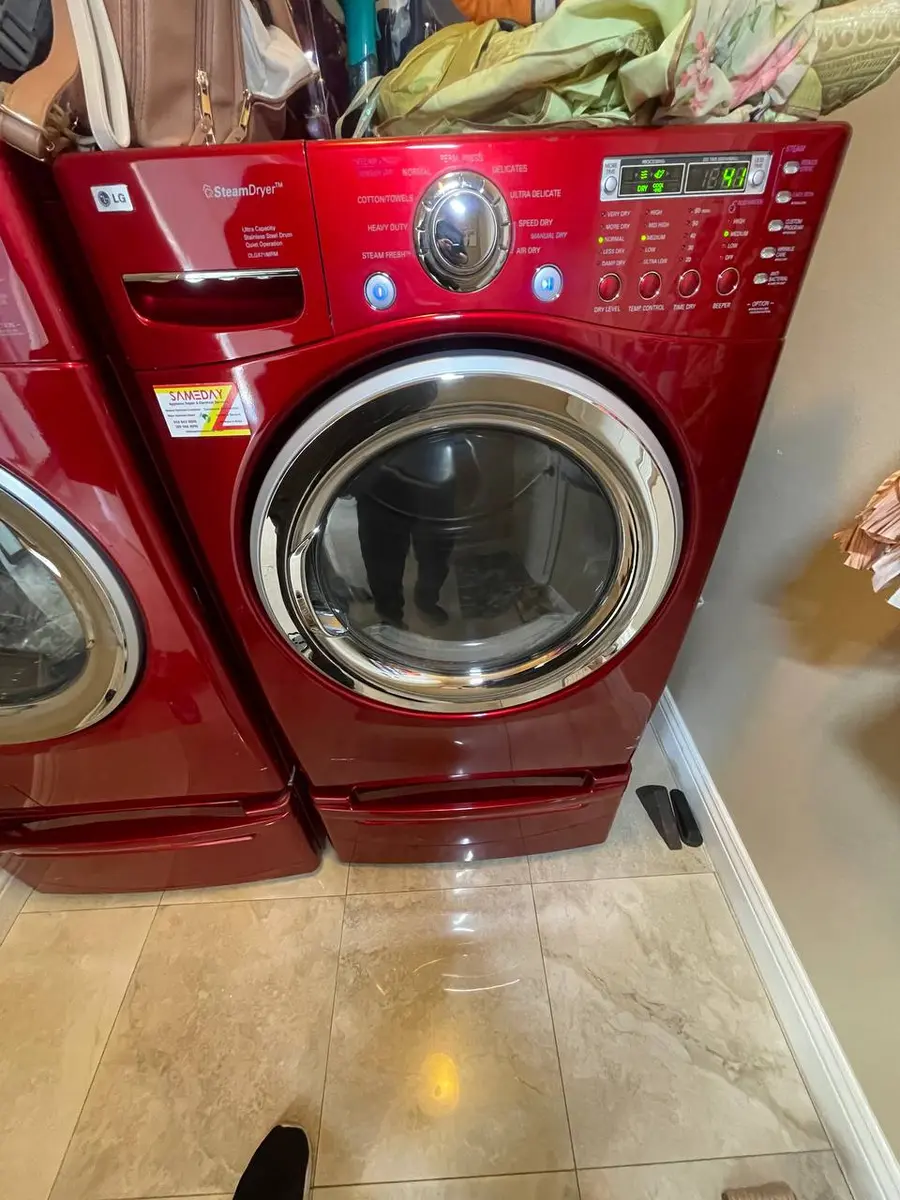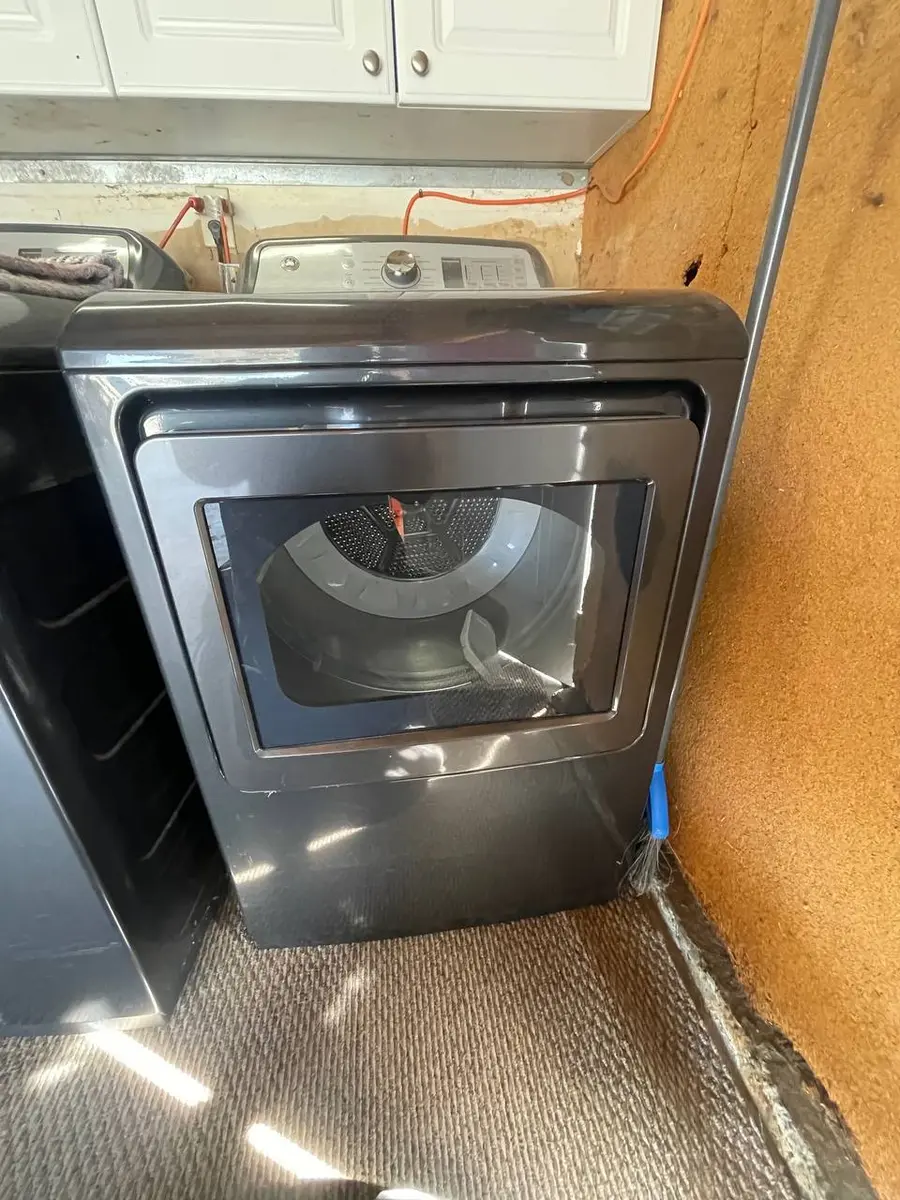
Before diagnosing a Bosch dryer for weak heat, know that heat-pump models run cool on purpose — clothes exit around 40 to 50°C rather than the searing air of a vented dryer, and that's fabric protection, not a fault. When heat truly is low, the top fixable cause is a lint-clogged condenser, followed by a heat-pump compressor or sensor fault, and on condenser models a burned heating element.
Is It Actually Broken, or Just a Heat Pump?#
The first question is whether you even have a problem. Bosch WTW heat-pump dryers move heat with a refrigerant cycle that tops out far cooler than the American vented dryers many owners are used to, so if you've switched from a vented machine, the air will feel noticeably less hot and clothes will come out merely warm. That's intentional — lower temperatures are gentler on fabrics — and as long as loads still finish within their normal cycle time, "not enough heat" may simply be how a heat-pump dryer feels. The tell of a real fault is a change: cycles that now run much longer than they used to, or air that feels like room temperature rather than warm. WGA condenser models use a resistive element and run a touch hotter, but both sit well below a vented dryer's output.
Do You Have the Right Tools?
Gas leak detector ($130), thermal fuse tester ($95), belt tension gauge, and vent inspection camera ($180). Our technician arrives with $3,000+ in professional tools — your diagnostic is free.
Licensed & Insured · 90-Day Warranty · Same-Day Service
The Causes, Most Common First#
Clogged condenser or heat exchanger (about 35%)#
The single most common fixable cause of weak heat, and an easy one. Lint works its way onto the condenser fins and throttles heat exchange, so the heat pump can't transfer heat efficiently and drying times climb while the air cools. Pull the condenser out from the lower front panel — it releases on plastic clips and slides free — and vacuum the fins clean with a soft brush, rinsing gently if it's heavily packed and drying it fully before it goes back. This alone resolves a large share of heat complaints, and it's the first thing to check.
Heat-pump compressor fault (about 25%, WTW only)#
The compressor is the heart of the heat-pump system, circulating the refrigerant that moves heat, and when it fails mechanically or electrically there's no heat transfer at all — the dryer just tumbles room-temperature air. An E:04 code typically accompanies it. Confirm by feeling inside the drum after fifteen minutes of running and listening for a compressor hum from the base of the machine; ambient-temperature air with no hum points squarely at the compressor, which is a professional repair.
NTC temperature sensor fault (about 20%)#
Bosch dryers carry several NTC sensors on the air path, and if the exhaust sensor drifts to read hotter than reality, the control board cuts heating early to protect the load — leaving cool air and damp clothes, sometimes with an E:03 code. With the top panel off, find the sensors and meter one: roughly 10 to 20 kilohms at room temperature is healthy, and a much higher or open reading means replace it. It's an inexpensive part and a manageable job.
Heating element failure (about 12%, WGA condenser only)#
The resistive element in WGA condenser dryers can burn out and produce zero heat, unlike the heat-pump models which have no such element. Test it with a meter — around 20 to 40 ohms is normal, and an open circuit confirms a failed element that needs replacing behind the access panel.
Slow refrigerant leak (WTW)#
Least common but worth knowing: a gradual refrigerant leak in the heat-pump circuit slowly bleeds off heating capacity over months, so the dryer still makes some heat but the drying times creep steadily longer. If the condenser is clean and the compressor hums yet heat keeps fading over time, a leak is the likely answer, and it requires professional detection and recharge.
Work It in Order#
Start by confirming the problem is real — recall whether early loads ran quick, since heat-pump dryers are simply slower by design and a two-hour full load can be normal. Then clean the condenser, the fix for roughly a third of cases. Check the display for E:04 (heat pump) or E:03 (sensor). Listen for the compressor hum at the base during operation, and feel the drum air after fifteen minutes — it should be clearly warm, not cold. On a WGA model, meter the heating element. Working from the free condenser cleaning toward the compressor and refrigerant circuit keeps you from calling for professional heat-pump service when a brush and a vacuum would have fixed it. And keep the lint filter clean after every load, since the lint that escapes it is exactly what clogs the condenser and steals the heat in the first place. It's also worth rinsing the condenser and its secondary filter on the interval your model specifies, not just when heat drops off, because a condenser kept clean from the start almost never becomes the slow, creeping heat-loss that sends owners hunting for a broken part. A few minutes of routine cleaning is the difference between a heat-pump dryer that holds its efficiency for years and one that gradually feels like it's giving up — when in fact nothing has failed at all, it's simply been smothered in lint.
Related reading: a Bosch dryer that takes too long and a Bosch dryer with the wrong temperature.
Bosch [dryer repair](/bay-area/services/dryer-repair) across [Sacramento](/sacramento/sacramento) and the Bay Area — condenser, compressor, and sensor diagnostics in one visit. Book a technician.
Appliance Repair Technician · 8 years experience
Experienced technician with 8 years specializing in dishwasher repairs and European appliance brands including Bosch and Thermador.