Reviewed by Vladyslav Z., BHGS-certified technician
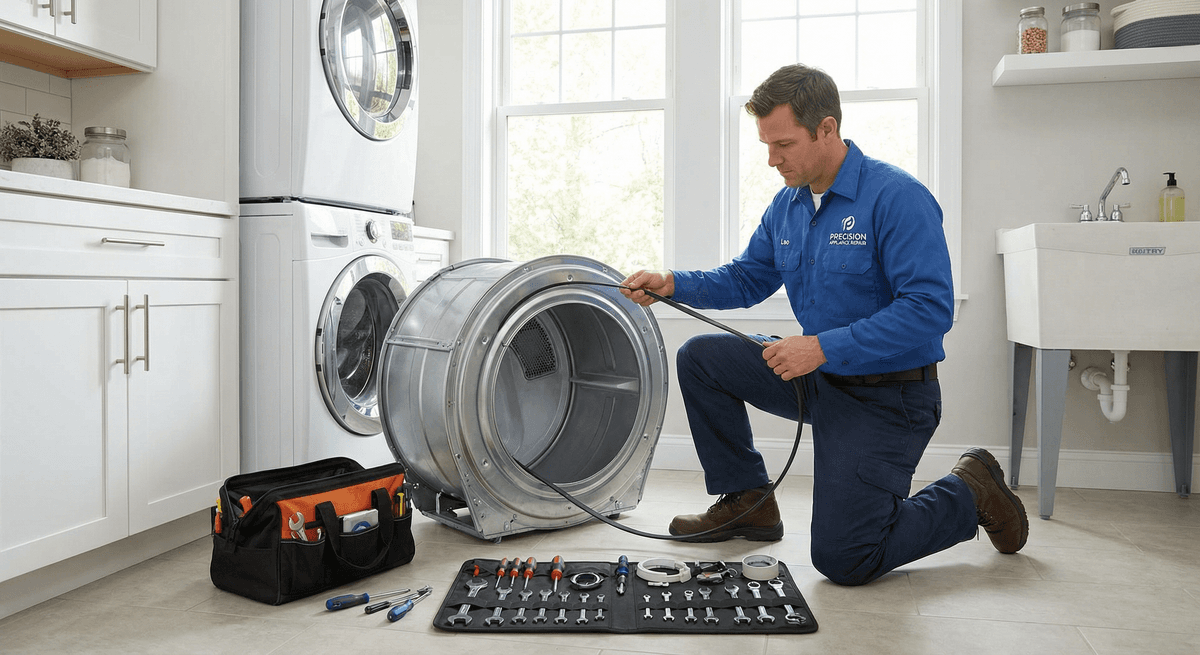

Dryer Repair in Santa Clara
Professional dryer repair service in Santa Clara, Santa Clara County
Same-Day Service
90-Day Warranty
Fixed or It's Free
Typical Cost: $100-$450
Book a Free Diagnostic Visit — Fully Online
Same-day dryer repair in Santa Clara, Santa Clara County
Book a Free Diagnostic VisitOr Call NowAvailable 24/7 — call or text
Free DiagnosisSame-Day Service90-Day Warranty
Real Dryer Repairs by Our Technicians
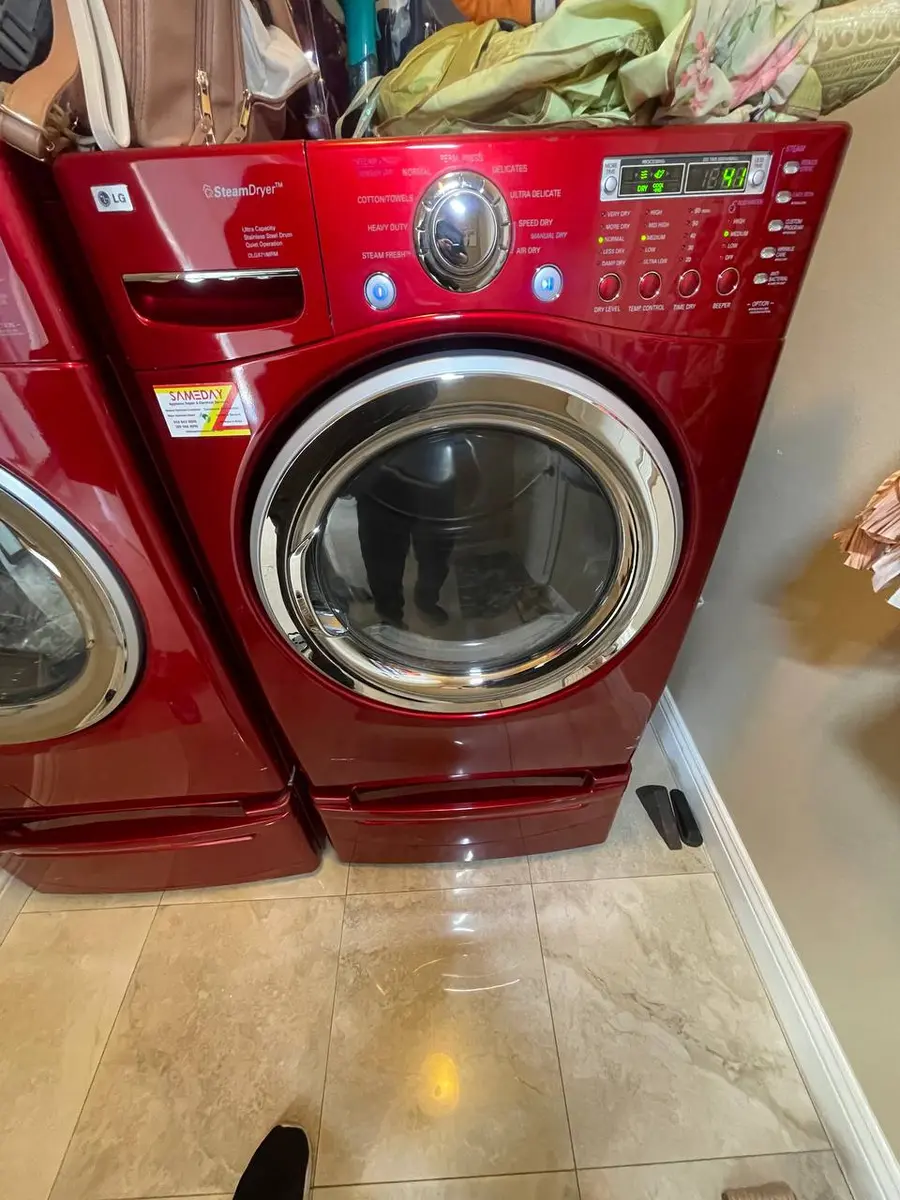
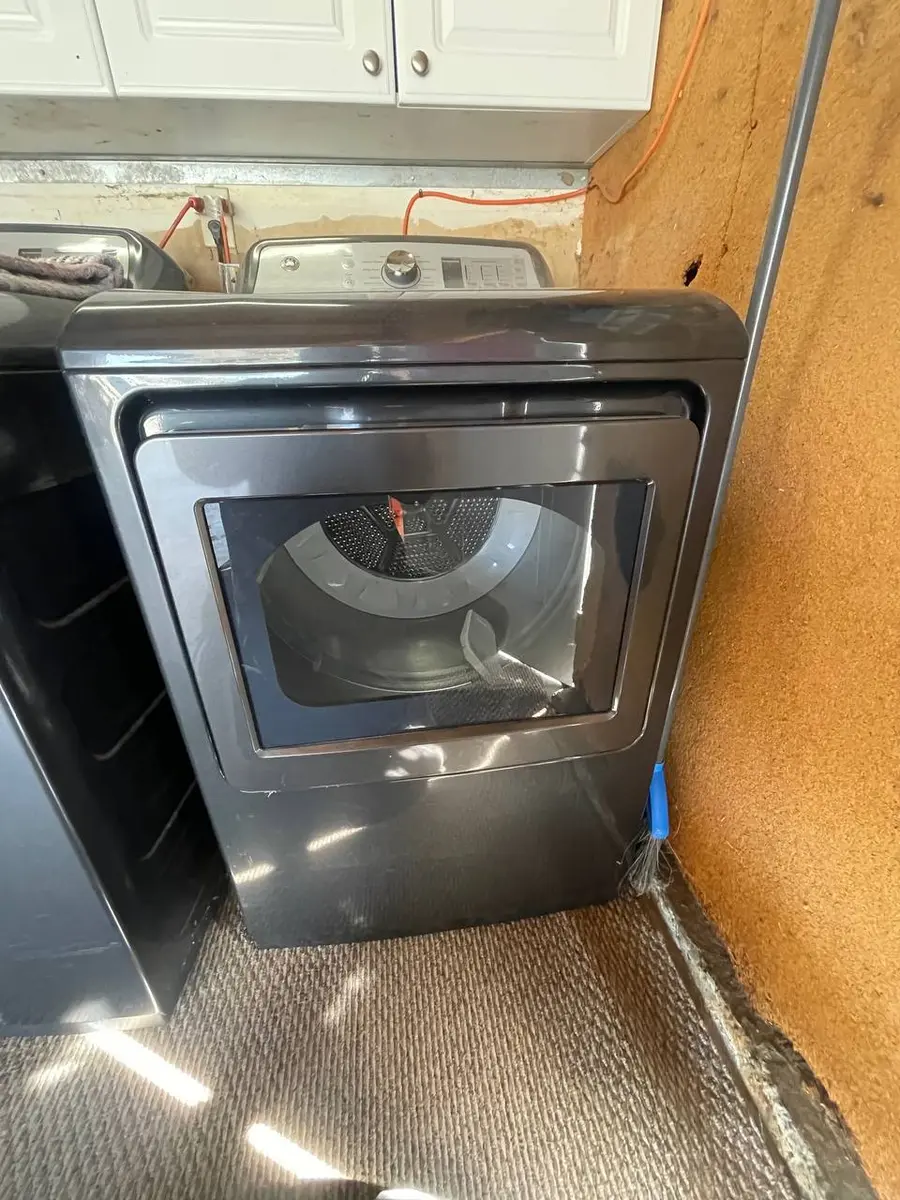
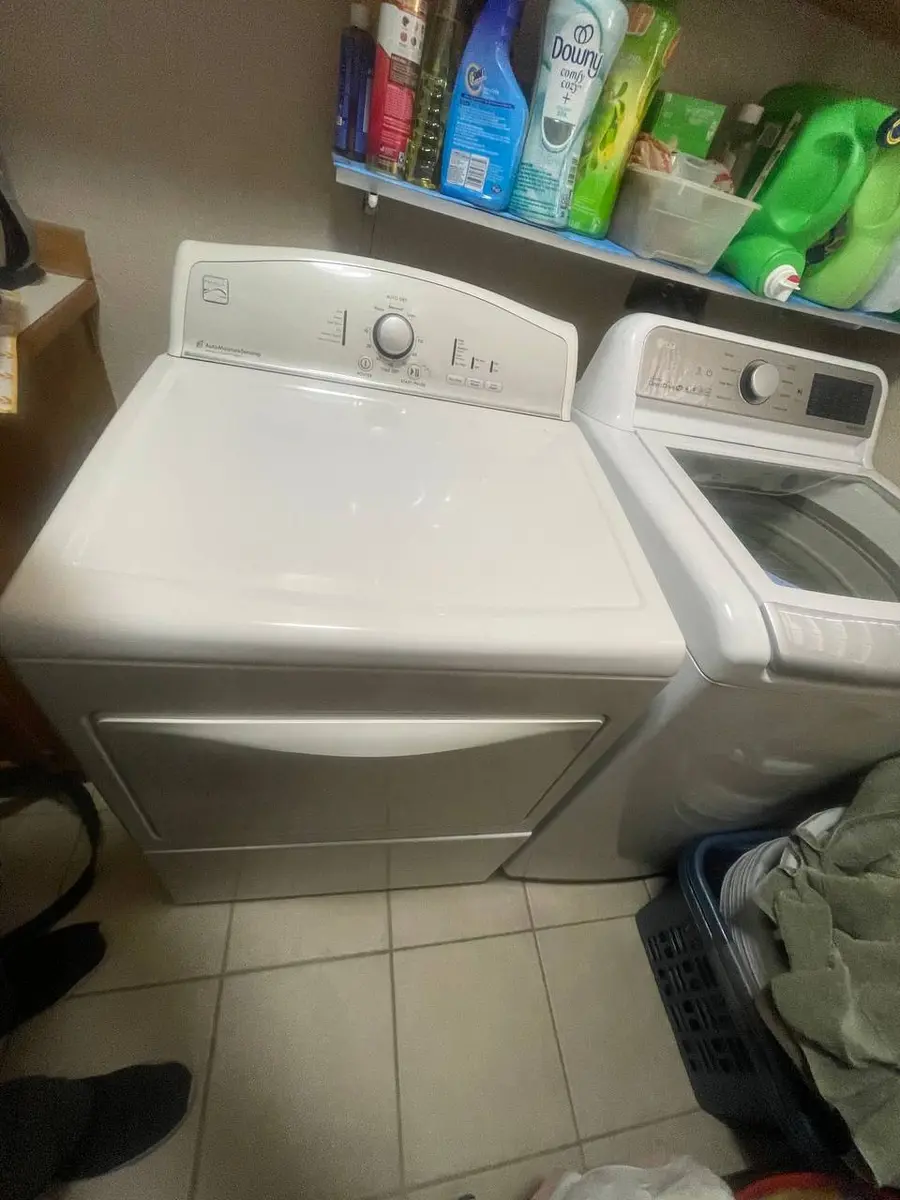
How Much Does Dryer Repair Cost in Santa Clara?
Dryer repair in Santa Clara typically costs $100-$500. EasyBear provides same-day dryer repair in Santa Clara with free diagnosis, 90-day warranty, and vetted technicians.
- Thermal fuse replacement — most common fix
- Heating element (electric dryers)
- Gas igniter / valve repair
- Belt / drum roller replacement
- Vent cleaning — often resolves poor drying performance
Dryer Repair Cost in Santa Clara
$225
Average Cost
$120 - $355
Typical Range
Prices include parts and labor. Free diagnostic when you proceed with repair.
What Are the Most Common Dryer Problems?
Not heating (electric or gas)
Takes too long to dry clothes
Won't start or turn on
Squeaking, thumping, or grinding noises
Drum not turning but motor runs
Burning or rubber smell
Shuts off mid-cycle
Exhaust vent restricted (d80/d90/d95)
Gas dryer not igniting
Overheating or too hot
Timer not advancing
Won't stop running
Free Dryer diagnostic — book now
Our licensed technician diagnoses your dryer on-site and gives you an exact quote. Same-day appointments in San Francisco and Bay Area if available. You only pay if we fix it.
or call (415) 795-7300Available 24/7 — call or text
Licensed & Insured · 90-Day Warranty · Same-Day Service
What Dryer Issues Do We Fix?
Dryer Not Heating
high priorityA dryer that tumbles but produces no heat leaves clothes damp and wastes your time. A burned-out heating element, a blown thermal fuse, or a faulty gas igniter are the most common causes. We restore proper heating so your laundry dries completely every cycle.
Burned-out heating elementBlown thermal fuseFaulty gas igniter
Cost: $150-$400Time: 45-90 minutes
Dryer Not Tumbling
high priorityWhen the dryer drum won't turn, your clothes sit in a heap and don't dry. A broken drive belt, worn drum rollers, or a failed motor are typical culprits. Our technicians replace the faulty parts and verify smooth, balanced drum rotation.
Broken drive beltWorn drum rollersFailed drive motor
Cost: $150-$350Time: 45-90 minutes
Dryer Taking Too Long to Dry
medium priorityExtended drying times waste energy and wear out your clothes. A clogged lint filter, a blocked vent duct, or a failing heating element significantly reduce drying efficiency. We clean, inspect, and repair the entire airflow and heating system.
Clogged lint filterBlocked vent ductFailing heating element
Cost: $100-$300Time: 30-75 minutes
Dryer Making Loud Noises
medium prioritySquealing, thumping, or grinding noises from your dryer usually indicate worn mechanical parts. Drum rollers, the idler pulley, and drum glides are common wear items. Ignoring these sounds can lead to complete breakdowns. We replace worn parts before they cause further damage.
Worn drum rollersDefective idler pulleyWorn drum glides
Cost: $125-$300Time: 45-90 minutes
Dryer Not Starting
high priorityWhen your dryer won't turn on at all, the issue could be a faulty door switch, a blown thermal fuse, or a defective start switch. These are safety-critical components. Our technicians safely diagnose and replace the failed part to restore operation.
Faulty door switchBlown thermal fuseDefective start switch
Cost: $100-$300Time: 30-60 minutes
Dryer Overheating
high priorityAn overheating dryer is a serious fire hazard. Restricted airflow from lint buildup, a failed cycling thermostat, or a defective high-limit thermostat can all cause excessive heat. Immediate professional repair is critical for your family's safety.
Lint buildup in ventFailed cycling thermostatDefective high-limit thermostat
Cost: $150-$350Time: 45-90 minutes
Dryer Drum Stuck or Seized
high priorityA seized dryer drum prevents any drying and can damage the motor if forced. Worn drum bearings, a broken belt, or an obstruction between the drum and housing are common causes. We free the drum and replace any worn components.
Worn drum bearingsBroken drive beltObstruction between drum and housing
Cost: $150-$350Time: 60-120 minutes
Dryer Leaving Clothes Wrinkled
low priorityExcessive wrinkling after drying can result from overloading, a malfunctioning moisture sensor, or an incorrect heat setting. While sometimes a usage issue, persistent wrinkling may indicate a failing sensor or timer. We diagnose the cause and optimize your dryer's performance.
Malfunctioning moisture sensorFaulty timerOverloaded drum
Cost: $100-$250Time: 30-60 minutes
Get Your Dryer Fixed Today
Free diagnosis when you book online
Book a Free Diagnostic VisitOr Call NowAvailable 24/7 — call or text
Free DiagnosisSame-Day Service90-Day Warranty
Why Choose EasyBear in Santa Clara?
Same-Day Service
Most repairs completed same day
90-Day Warranty
Comprehensive coverage
No Diagnostic Fee
Free inspection
No fix, no fee.
Book a free dryer diagnostic — honest quote up front, 90-day warranty, and you only pay if we repair it.
or call (415) 795-7300Available 24/7 — call or text
Licensed & Insured · 90-Day Warranty · Same-Day Service
Book a Free Diagnostic Visit — Fully Online
Book a Free Diagnostic VisitOr Call NowAvailable 24/7 — call or text
Free DiagnosisSame-Day Service90-Day Warranty
Serving Santa Clara:
9505095051950529505395054
About Dryer Repair in Santa Clara
Dryer repair in Santa Clara must navigate the city's 1960s-era housing infrastructure and the fire safety concerns inherent in aging vent systems. The tract homes that dominate Santa Clara's residential landscape were built with gas dryer connections and vent routing designed for the lower-capacity machines of that era. Modern high-capacity gas dryers with higher BTU burners can overwhelm these undersized gas lines, producing weak flames, extended drying times, and incomplete combustion that trips safety sensors. Technicians diagnosing what homeowners believe is a faulty gas valve or igniter frequently discover the real problem is insufficient gas supply pressure at the appliance — a home infrastructure issue rather than a dryer component failure.
Original galvanized steel ductwork in Santa Clara's 1960s homes presents a compounding fire hazard. Unlike smooth aluminum or rigid metal duct, galvanized steel corrodes internally over decades, creating rough surfaces that grip lint fibers and resist cleaning. The duct joints develop ridges where sections connect, and these ridges trap lint that accumulates year after year in ductwork that homeowners cannot easily access for inspection. In the densely packed neighborhoods between El Camino Real and the Lawrence Expressway, houses sit close together with limited side-yard access to exterior vent terminations, discouraging the regular vent maintenance that fire safety demands.
Electric dryer adoption is growing in Santa Clara as homeowners remodel and respond to California's building electrification incentives. Converting from gas to electric requires installing a dedicated 240-volt circuit — a project that in homes with original 100-amp panels may strain the entire electrical budget of the house. Improperly sized circuits or wiring runs that are too long create voltage drops that cause heating elements to underperform and thermal fuses to blow prematurely, generating repair calls for problems rooted in the electrical conversion rather than the dryer itself.
Electric dryer adoption is growing in Santa Clara as homeowners respond to California's building electrification incentives and the practical advantages of eliminating gas combustion in enclosed laundry spaces. However, gas dryers still dominate the city's established neighborhoods, where PG&E connections have served the 95050 through 95054 corridors since original tract development. The close-set lot spacing in Santa Clara's older neighborhoods places homes five to eight feet apart, creating fire-spread risk that the Santa Clara Fire Department addresses through annual vent cleaning recommendations. The combination of hot summer temperatures, long attic vent runs common in single-story ranch homes, and aging flexible ductwork creates conditions where lint ignition risk is highest — making vent maintenance a safety imperative throughout Santa Clara's residential areas.
Dryer Repair in Santa Clara — Common Questions
How much does dryer repair cost in Santa Clara?
Dryer repair in Santa Clara ranges from $100 to $350. Heating element replacement costs $130–$230, drum roller or belt repair runs $120–$200, and thermostat or thermal fuse issues cost $100–$180. We quote all costs before starting the repair.
Does Santa Clara's climate affect dryer performance?
During Santa Clara's hot summers, dryers in garages work less efficiently due to ambient heat — keeping the vent line short and clean improves performance. Santa Clara's mid-century ranch homes, apartment complexes near Santa Clara University sometimes have long or kinked vent runs that reduce airflow — we inspect the full vent path during every dryer service call.
Do you repair dryers in Old Quad, Bowers, Scott Boulevard corridor and nearby areas?
Yes, we service dryers across all of Santa Clara — from Old Quad, Bowers, Scott Boulevard corridor to every neighborhood within 95050 through 95054. Same-day dryer repair is available for bookings made before noon in Santa Clara County.
What dryer problems are most common in Santa Clara?
The top dryer issues in Santa Clara are no heat (usually a failed heating element or thermal fuse), excessive drying time (typically a vent blockage), and drum not spinning (often a worn belt or roller). In Santa Clara's 1950s–1970s homes, we also frequently find undersized or overly long vent runs.
Do you fix both gas and electric dryers in Santa Clara?
Yes, our Santa Clara County technicians are certified to repair both gas and electric dryers. Santa Clara's mid-century ranch homes, apartment complexes near Santa Clara University have a mix of both fuel types. Gas dryers require additional safety checks on the burner assembly and gas valve, which we perform as standard during every gas dryer service call.
Is dryer vent cleaning available in Santa Clara?
We diagnose vent-related issues during dryer repair calls and can clear simple blockages. For full vent cleaning in Santa Clara's mid-century ranch homes, apartment complexes near Santa Clara University — especially homes with roof-exit vents or long vent runs through walls — we may recommend a dedicated vent cleaning service. We always verify proper airflow before completing any dryer repair.
Need Dryer Repair in Santa Clara?
Book your same-day repair service now
Book a Free Diagnostic VisitOr Call NowAvailable 24/7 — call or text
Free DiagnosisSame-Day Service90-Day Warranty
Content verified 2026-05-20