What is the Whirlpool Washer Sud error?#
The Sud code means the washer detected excessive foam and slowed down, adding rinses to clear it. The cause is almost always detergent — either non-HE detergent that foams far past what the drum can handle, or too large a dose for the load. Switching to the right detergent in the right amount clears it, and it is entirely owner-fixable.
Sud on a Whirlpool Washer: likely causes and repair cost#
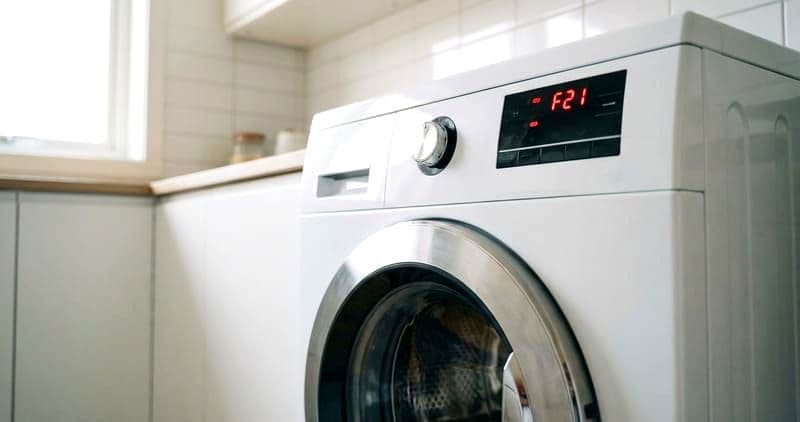
On a Whirlpool Washer, the Sud code signals: excessive suds.
| Likely cause | Typical likelihood |
|---|---|
| Non-HE detergent foaming far past what the drum can clear | Most common |
| Too large a detergent dose for the sensed load size | Common |
| Slow drain leaving foam behind so suds accumulate load over load | Less common |
Typical professional repair: up to $130 · Difficulty: easy · often owner-fixable
Fastest thing to try first: Use HE detergent, reduce amount.
Symptoms that often accompany Sud: Visible foam around the door seal; Cycle extends significantly with extra rinse phases; Clothes feel soapy or slippery after wash; Musty odor in the drum between loads
Technician diagnostic sequence for Sud:
- Switch to a HE (High Efficiency) detergent — non-HE detergent produces 5-10x more suds
- Reduce detergent amount: use 1-2 tablespoons for a normal load (follow the HE measurement line)
- Run an empty Clean Washer cycle with no detergent to clear residual suds from the system
- Check the drain pump filter — trapped suds can indicate a partial drain clog preventing rinse-out
Field note: The 6th Sense system detects suds by monitoring motor current during agitation — excessive foam reduces load resistance. Persistent Sud codes after switching to HE detergent often indicate a slow drain issue (partial clog) that prevents adequate suds removal during the rinse cycle. Clean the drain filter if Sud codes continue with proper detergent.
Do You Have the Right Tools?
Bearing puller set ($120), drum spider wrench ($85), multimeter ($85), and diagnostic software. Our technician arrives with $3,000+ in professional tools — your diagnostic is free.
Licensed & Insured · 90-Day Warranty · Same-Day Service
How to troubleshoot the Sud error yourself#
Fix the detergent first, because that is the cause nearly every time. Use only HE detergent in a Whirlpool washer, and cut the dose — most people use far more than an HE machine needs, and the excess is exactly what foams over. Run a rinse-and-spin or the Clean Washer cycle to flush out the built-up suds, then do your next load with a small, correct HE dose. If Sud keeps appearing even with proper detergent, the real problem is usually a slow or partly clogged drain that cannot clear foam during the rinse, so clean the drain filter at the lower front. That covers the DIY range. Only if correct detergent and a clean drain filter still leave persistent Sud codes does the drain path need a technician to look deeper.
Is the Whirlpool Washer Sud error worth fixing?#
Sud costs nothing to fix in the normal case — the cure is the right detergent and a smaller dose, which actually saves money over time. Even when a slow drain is behind persistent codes, clearing the filter is free and a deeper drain repair caps out around $130. There is simply no replace-the-washer argument here; it is a maintenance and habit fix. I would never book a costly repair for Sud until HE detergent, a correct dose, and a clean drain filter had all been ruled out.
Safety First — Know the Risks
High-voltage components and pressurized water lines create flood and shock risk. A single loose fitting can cause thousands in water damage. Our techs are licensed and insured — let them handle the risk.
Licensed & Insured · 90-Day Warranty · Same-Day Service
Whirlpool Washer Sud: frequently asked questions#
What does the Sud code mean on a Whirlpool washer?#
It means the washer sensed excessive foam and slowed the cycle to rinse it away. Wrong or too much detergent is nearly always the cause.
Is it safe to keep using the washer with a Sud code?#
Yes. It just extends cycles with extra rinses and can leave clothes slippery. Correcting the detergent restores normal timing.
Can I clear the Sud code myself?#
Almost always. Switch to HE detergent, use less of it, and run a rinse or Clean Washer cycle. Clean the drain filter if it persists.
How much does it cost to repair a Sud code?#
Typically nothing — it is a detergent fix. A deeper drain repair behind persistent codes runs up to $130.
Which parts are involved in a Sud code?#
Rarely any part — it is usually detergent. When it persists, a partly clogged drain that cannot clear foam during rinse is the culprit.
Is a washer with a Sud code worth repairing?#
There is nothing to replace the machine over. The fix is HE detergent and a clean drain filter, both cheap or free.
Why does non-HE detergent trigger the Sud code?#
The 6th Sense system reads suds through motor load during agitation. Non-HE detergent foams far past what the drum can clear, so the washer raises the Sud code.
Senior Gas Appliance Specialist · 18 years experience
AGA-certified gas appliance specialist with 18 years of experience in residential and commercial oven, range, and cooktop repairs.