Samsung Washer Won't Fill or Fills Slowly — Inlet Valve, nF/4E Error, and Water Pressure Issues
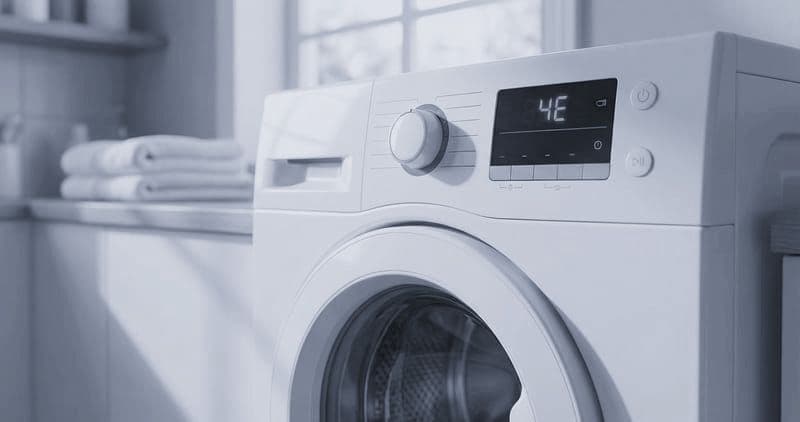
A Samsung washer that will not fill with water — or fills at a trickle — displays the nF or 4E error code when the water level fails to reach the target within the expected timeframe. This is one of the most common Samsung-specific issues in Sacramento due to our hard water causing progressive mineral buildup inside Samsung's narrower-than-average inlet valve orifices and screens.
Samsung's Fill System Design
Samsung washers use a dual-solenoid inlet valve (hot and cold) mounted at the rear upper area of the machine. When the control board commands a fill:
- The appropriate solenoid(s) energize based on the selected temperature
- The electromagnetic coil lifts the plunger against its spring
- Water flows through the inlet screen, past the open plunger, and into the tub via internal hoses
- The water level pressure sensor reports rising level to the control board
- When target level is reached, the solenoid de-energizes and the spring closes the plunger
Samsung's smaller orifice: Samsung's valve body has approximately 30% smaller internal passages compared to Whirlpool or LG valves. This means partial mineral restriction that would still allow adequate flow on a Whirlpool machine may reduce Samsung's flow below the minimum threshold — triggering 4E when other brands would fill normally.
Do You Have the Right Tools?
Bearing puller set ($120), drum spider wrench ($85), multimeter ($85), and diagnostic software. Our technician arrives with $15K+ in professional tools — your diagnostic is free.
Licensed & Insured · 90-Day Warranty · Same-Day Service
Most Common Causes (Ranked by Frequency)
1. Clogged Inlet Screens (35% of cases)
Samsung's inlet valve has mesh screens at each supply port. Sacramento's hard water deposits calcium on these screens progressively — first slowing fill, then blocking it entirely. This is a maintenance item, not a part failure.
Samsung-specific: The screens are smaller mesh (finer filtration) than some competitors, which means they clog faster but also protect the valve seat better. Samsung recommends annual screen cleaning — in Sacramento's water, every 6 months is more appropriate.
DIY Difficulty: Easy Parts Cost: $0 (cleaning) or $5–$10 (replacement screens) Professional Repair Cost: $80–$120
Repair Steps:
- Turn off both hot and cold supply valves.
- Unscrew the supply hoses from the back of the machine (have a towel ready — residual water will drain).
- Look inside the valve ports — you will see the inlet screens (small circular mesh filters).
- Use needle-nose pliers to gently pull each screen straight out.
- Soak in white vinegar for 30 minutes to dissolve mineral deposits. Scrub gently with an old toothbrush.
- Reinstall screens (push in until flush with port face).
- Reconnect hoses and open valves. Verify flow by starting a fill cycle.
2. Inlet Valve Solenoid Failure (25% of cases)
The solenoid coil can burn open from age or power surges. When a solenoid fails, the corresponding water temperature stops working entirely (no hot fill, or no cold fill, depending on which solenoid died). If both solenoids fail, no fill occurs at all.
Multimeter test: Disconnect the valve wire connectors. Measure resistance across each solenoid's terminals. Samsung specifies 900-1200 ohms for a healthy coil. Infinite resistance = burned open coil. Very low resistance (under 200 ohms) = shorted coil.
DIY Difficulty: Moderate Parts Cost: $35–$65 (entire valve assembly — solenoids are not individually replaceable) Professional Repair Cost: $120–$220
3. Low Water Pressure (18% of cases)
Samsung specifies minimum 20 PSI water pressure for proper fill operation. The solenoid plunger is spring-loaded closed — incoming water pressure must be sufficient to flow through the open plunger against gravity and into the tub. Below 20 PSI, the valve opens but insufficient pressure results in a trickle that does not reach target level in time.
Common in Sacramento: Homes at the end of long supply runs (especially in newer Natomas and Elk Grove developments) can see pressure drop below 20 PSI during peak usage hours (morning showers). The washer fills normally at off-peak times but triggers 4E during morning rush.
Test: Disconnect a supply hose from the washer, point it into a bucket, and open the wall valve. You should get approximately 1 gallon in 30 seconds at adequate pressure. Less = low pressure issue.
DIY Difficulty: Easy (diagnosis) — plumber needed for pressure issues Parts Cost: $0 (if pressure is the issue — address via plumber or wait for off-peak) Professional Repair Cost: $100–$300 (plumber for booster or valve issue)
4. Supply Hoses Kinked or Restricted (12% of cases)
The supply hoses connecting wall valves to the machine can develop kinks from the machine being pushed too close to the wall. Samsung's rear connections protrude further than some brands, requiring more clearance. Additionally, rubber hoses deteriorate internally — the inner liner can delaminate and create a flap valve that restricts flow unpredictably.
Samsung clearance requirement: Samsung specifies minimum 4 inches between the rear of the machine and the wall. The supply hose connections add 2-3 inches to the depth. Less than 4 inches clearance can kink the hoses at the valve connection.
DIY Difficulty: Easy Parts Cost: $20–$50 (replacement braided stainless hose pair) Professional Repair Cost: $80–$150
5. Control Board Fill Relay Failure (10% of cases)
The main control board's fill relay (the relay that sends power to the inlet valve solenoids) can fail open from power surge damage. The relay contacts pit and corrode until they can no longer make connection — the solenoid never receives power and the valve never opens.
Distinction from valve failure: If the relay is dead, you will hear no clicking sound from the machine during what should be the fill phase. A healthy relay produces an audible click when energizing the valve. No click = relay or board issue. Click but no water = valve or supply issue.
DIY Difficulty: Moderate to Hard Parts Cost: $120–$350 (control board) Professional Repair Cost: $250–$550
Samsung Error Codes for Fill Issues
| Code | Meaning | Specific Cause |
|---|---|---|
| nF | No fill | Generic — water not detected rising |
| 4E | Water supply error | Same as nF — nomenclature varies by model year |
| 4E1 | Hot water supply issue | Hot solenoid failed or hot supply closed |
| 4E2 | Water temperature too high | Temperature exceeds 70C safety limit |
| 4C | Water supply communication | Newer model variant of 4E |
Safety First — Know the Risks
High-voltage components and pressurized water lines create flood and shock risk. A single loose fitting can cause thousands in water damage. Our techs are licensed and insured — let them handle the risk.
Licensed & Insured · 90-Day Warranty · Same-Day Service
SmartThings Diagnostic for Fill Issues
On WiFi-connected Samsung washers:
- Open SmartThings > select washer > Home Care > Smart Care
- The app specifically identifies whether the error is supply-side (valve/pressure) or sensor-side (level sensor not reading)
- Samsung's diagnostic differentiates between "valve commanded but no fill detected" (valve/supply issue) and "fill detected but level not reaching target" (partial flow or sensor issue)
Same-Day Appliance Repair
Fixed or It's Free
$89 → $0 Service Call & Diagnosis — offer ends May 25
Prevention
- Clean inlet screens every 6 months in Sacramento (more frequent than Samsung's annual recommendation due to hard water)
- Install a whole-house sediment filter — catches particles before they reach the washer
- Maintain 4+ inches of rear clearance — prevents hose kinking at the valve connection
- Replace rubber supply hoses every 5 years with braided stainless steel
- Install a surge protector — protects the control board relay from surge damage
- Consider a water softener — eliminates the primary cause of Samsung valve restriction in our area
The Real Cost of DIY
Average DIY attempt: $150-400 in tools you may use once, plus the risk of further damage. Our diagnostic visit costs $0 — we find the problem and give you an honest quote.
Licensed & Insured · 90-Day Warranty · Same-Day Service
FAQ
Q: My Samsung washer shows 4E — is the valve broken?
Not necessarily. The 4E code means water is not filling the tub within the expected time. In 35% of cases, the cause is simply clogged inlet screens — a 10-minute cleaning fix with no parts needed. Check the screens first before replacing the valve.
Q: Why does my Samsung washer fill slowly in the morning but fine at night?
This indicates low water pressure during peak usage hours. Samsung requires minimum 20 PSI for proper fill. When your neighborhood demand peaks (morning showers, irrigation), pressure can drop below Samsung's threshold. A pressure booster pump or scheduling washes for off-peak times can resolve this.
Q: How do I know if it's the hot or cold solenoid that failed?
Run a wash cycle on each temperature setting: hot-only, cold-only, and warm (both). If the machine fills on cold but not hot (or vice versa), the corresponding solenoid has failed. If neither fills, both solenoids are dead (less common) or the issue is upstream (supply valves, board relay).
A washer that won't fill is completely unusable. Our technicians stock Samsung inlet valve assemblies and can restore fill operation the same day in Sacramento. Schedule a repair →