Most Likely Cause#
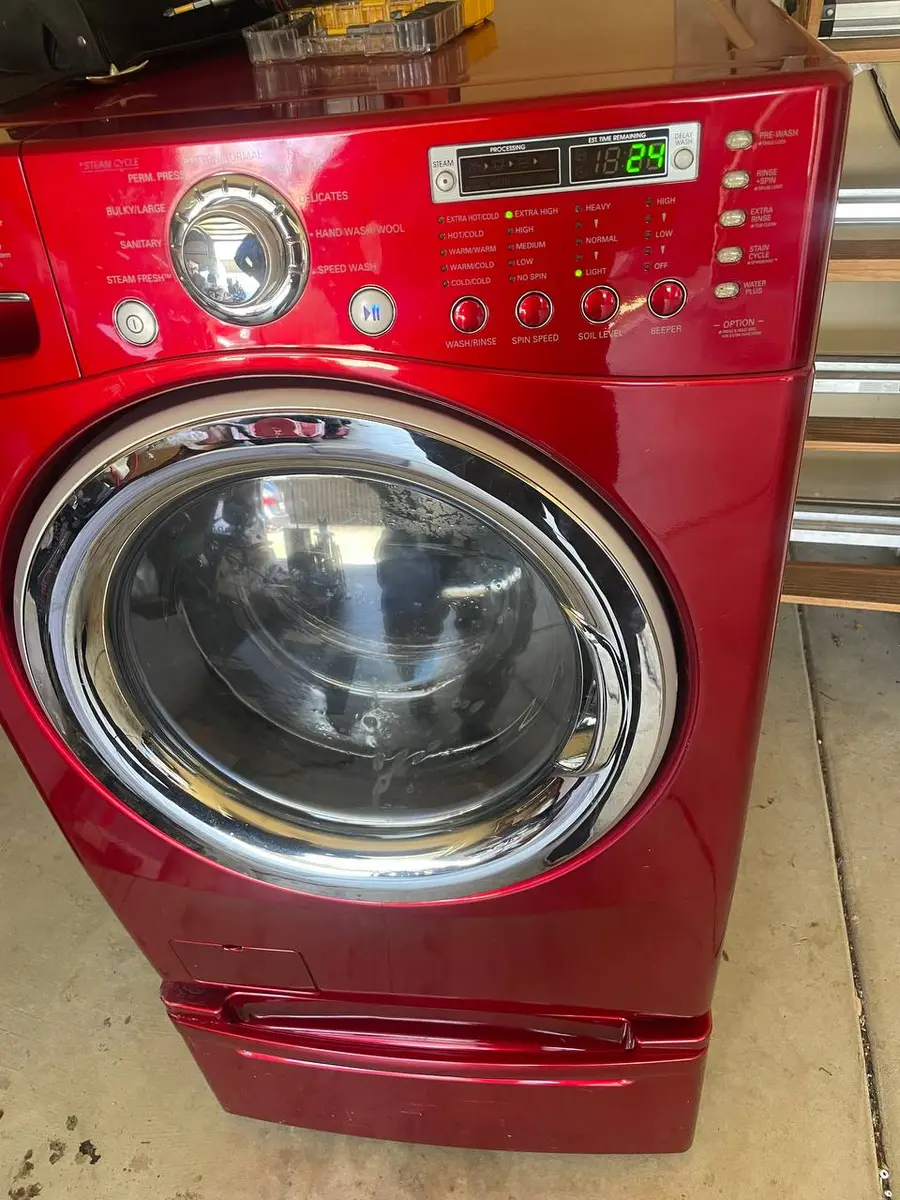
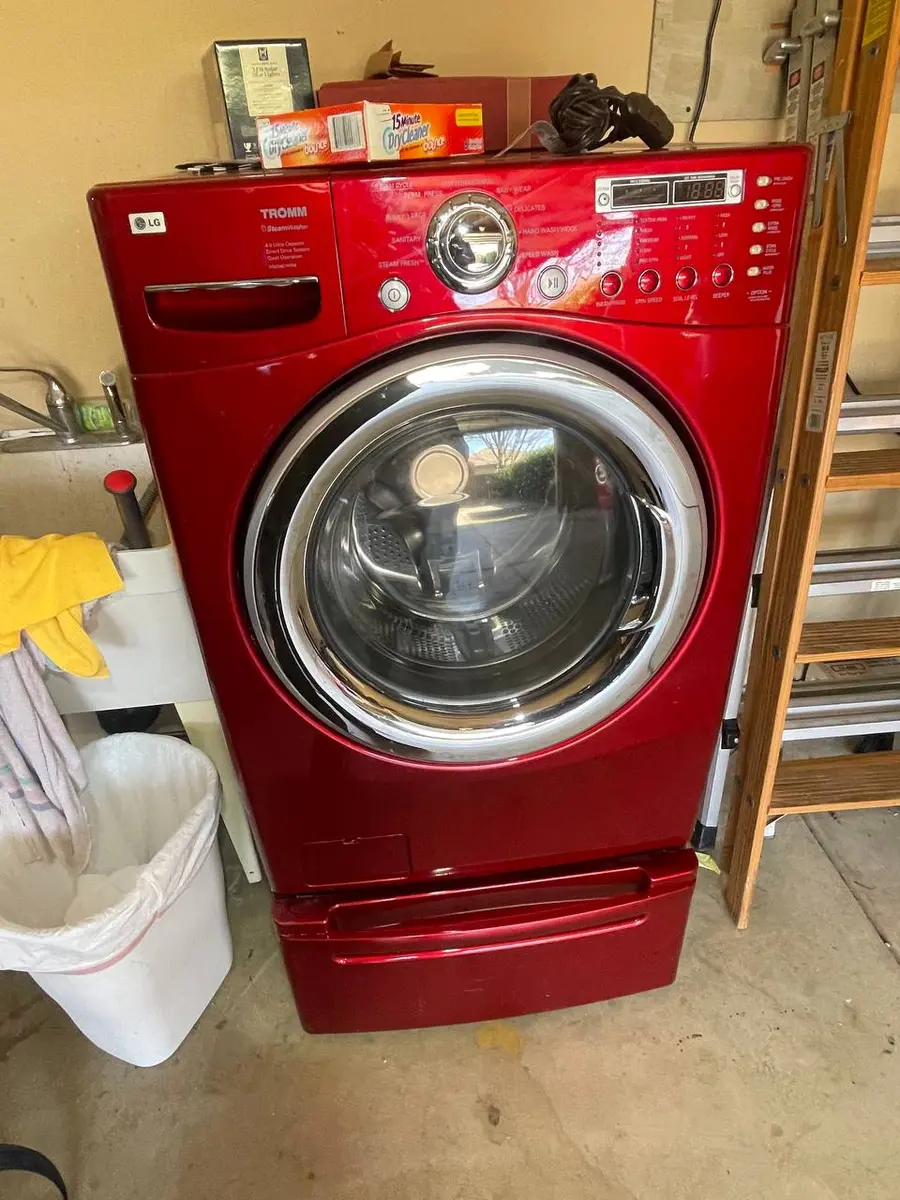
When a Kenmore [washer won't start](/bay-area/services/washer-wont-start), the single fastest move is to look at the control panel: is anything lit? A completely dark panel points at power — a tripped breaker, a bad cord, a shared GFCI, or an internal fuse — and power problems are the most common cause at about 25%. A lit panel that won't act on Start points instead at the lid or door lock (about 22%) or the control board. Which exact part fails depends on who built your Kenmore, because the brand spans four OEM platforms with very different control systems underneath.
So before anything else: name the platform from the first three digits of the model number — 110 is Whirlpool, 796 is LG, 417 is Electrolux, 402 is Samsung — and note whether the panel lights. Those two facts route the entire diagnosis.
Fault Map: Cause by What You See#
| What you observe | Most likely cause | How often |
|---|---|---|
| Panel completely dark, no lights, no sounds | No power — breaker, cord, outlet, or noise filter | ~25% |
| Lit; lock clicks but never completes, or no click | Lid switch / door lock failure | ~22% |
| Mechanical timer knob pulls but nothing happens (older 110) | Worn timer start switch | ~15% |
| Dark or garbled panel after a storm (796/417) | Control board or noise filter | ~12% |
| Buttons work but Start does nothing (796/417) | User-interface board | ~7% |
| Completely dead on a VMW 110 | Blown thermal fuse | ~8% |
| Hums briefly then stops | Seized or failed motor | ~5% |
| Intermittent, worse with vibration | Loose wiring harness | ~6% |
Do You Have the Right Tools?
Bearing puller set ($120), drum spider wrench ($85), multimeter ($85), and diagnostic software. Our technician arrives with $3,000+ in professional tools — your diagnostic is free.
Licensed & Insured · 90-Day Warranty · Same-Day Service
Safety First#
- Prove power before blaming the washer — plug a lamp into the outlet or use a tester. Kenmore washers run on standard 120V, so check the laundry-circuit breaker, not the 240V dryer breaker.
- In older homes the washer often shares a circuit with a bathroom GFCI; a tripped GFCI kills the washer even though its own outlet isn't GFCI-protected.
- Never bypass the lid or door lock to force a start — those interlocks exist to stop the drum when the lid opens.
Nothing Is Lit: Chase the Power#
A dead panel is almost always upstream of the washer's electronics. Check the breaker and any shared GFCI first, then the cord: Kenmore washers vibrate, and on 110-series units the cord exits low at the rear and works loose or gets pinched against the wall — pull the plug and look for scorch marks on the prongs, a sign of arcing from an intermittent connection. If the outlet and cord are good and the panel is still dead, the fault is inside: on 110 VMW models a blown thermal fuse (on the harness between the board and motor, or in the motor connector) kills everything, and on 796 LG models the small noise filter at the power entry (part 6201EC1006U) commonly fails before the main board does and is far cheaper to replace.
Safety First — Know the Risks
High-voltage components and pressurized water lines create flood and shock risk. A single loose fitting can cause thousands in water damage. Our techs are licensed and insured — let them handle the risk.
Licensed & Insured · 90-Day Warranty · Same-Day Service
Lit But Won't Start: The Lock#
If the panel lights but the cycle never begins, the lid or door lock is the prime suspect — the board has taken your Start command but won't proceed until the lock reports secure. The behavior is platform-specific: an older direct-drive 110 uses a simple mechanical lid switch that kills motor power entirely when it fails; a newer VMW 110 uses a motor-driven lid lock that clicks once but never completes the sequence; a 796 LG energizes its door lock for 10-15 seconds and throws code dE if it doesn't engage; and a 417 Electrolux uses a PTC lock that heats to expand and latch over 15-20 seconds, failing silently with no code when its element burns out. To replace a 110 lid lock: unplug, release the top-panel spring clips with a putty knife, prop the top up, unplug the lock harness near the right-rear, remove its two screws, fit the new lock, and test that it clicks and engages within a few seconds.
The Other Causes#
Timer start switch (older 110). On a pre-2008 mechanical-timer 110, the start switch contacts inside the timer wear out — the knob turns through its detents fine, but pulling it produces nothing. Confirm by metering for 120V at the timer's motor terminals with the knob pulled; no voltage means burned contacts and a new timer assembly.
Control and UI boards (796/417). A fully electronic front-loader has no timer, so a surge-damaged main board leaves the panel dark, partial, or unresponsive to Start. On a 417 the UI board is separate from the main board: lights and display working but dead buttons means the UI membrane failed, while a totally dark panel means the main board isn't putting out power.
Motor and wiring. A seized or open motor makes a direct-drive 110 hum and trip its overload, or makes a 796 inverter board fault instantly with no drum movement. And plain vibration loosens connections over years — the 110 motor connector underneath, the 796 door-lock wiring chafing the boot, the 417 drain-pump connector corroding from a minor leak — so an intermittent no-start often just needs a firmly reseated plug.
The Real Cost of DIY
Average DIY attempt: $150-400 in tools you may use once, plus the risk of further damage. Our diagnostic visit costs $0 — we find the problem and give you an honest quote.
Licensed & Insured · 90-Day Warranty · Same-Day Service
Testing the Dead-Panel Suspects#
When the panel is dark and the outlet and cord both check out, two cheap internal parts are worth metering before you touch the main board. On a 110 VMW top-loader, find the thermal fuse on the harness between the control board and the motor, or built into the motor connector housing, and check it for continuity — zero ohms is good, an open reading means it blew, and a blown washer fuse, like a dryer's, points at an overheated motor, so don't just replace it and walk away. On a 796 LG front-loader, the noise filter at the power-cord entry is the first thing to suspect on a totally dead panel: it's a small can-shaped component wired inline at the inlet, part 6201EC1006U, and it fails far more often, and far more cheaply, than the main board it sits in front of. Metering both takes minutes and can save you the price of a control board you never needed. If the fuse is open, treat it as a symptom, not the disease — a washer thermal fuse blows because the motor ran hot, so inspect the pump and motor for a drag or a partial seizure before you fit the new fuse, or the replacement will blow the same way.
Replacing a Front-Loader Door Lock#
On a 796 or 417 front-loader that lights up but won't start with a lock that never engages, the door-lock assembly swaps from the front of the drum:
- Unplug the washer.
- Open the door and peel the rubber boot seal back off the front lip to reach the lock's wire retaining band.
- Release the band with a spring tool or a flathead and fold the boot aside to expose the lock's two or three mounting screws.
- Unplug the lock's wiring harness, remove the screws, and pull the old lock out.
- Fit the new lock, reconnect the harness, remount the boot and band, and run a test cycle to confirm the lock engages and the cycle starts.
Don't Void Your Warranty
Opening your appliance yourself may void the manufacturer warranty. Our repair comes with a 90-day guarantee, and we document everything for warranty compliance.
Licensed & Insured · 90-Day Warranty · Same-Day Service
Quick Diagnostic Steps#
- Is anything lit? No means power — breaker, cord, outlet, fuse, or noise filter. Yes means continue.
- Does the lock engage? Listen for the click. No click is a lock failure; a click with no start is a control issue.
- Any error code? Decode it for your platform — dE on a 796 is the door lock.
- Hums then stops? Motor overload or a seized motor/pump.
- Completely dead? Power supply, thermal fuse, or main board.
Cost and Repair-or-Replace#
Most no-start causes are cheap: a reset breaker or reseated cord is free, and a lid switch, noise filter, thermal fuse, or timer is an inexpensive part. Because the machine underneath is a solid Whirlpool, LG, or Electrolux, even a board fix beats replacing the washer, and sourcing the part by the OEM number rather than the Kenmore label keeps the price down. Prevent repeats by putting the washer on a surge protector — [Sacramento](/sacramento/sacramento)'s summer grid swings are hard on electronic boards — and by closing the lid gently rather than slamming it, since lid switches and door locks are precision parts that wear faster under force. If it's completely dead and you'd rather not chase a fuse or a filter yourself, request a technician and we'll decode the platform and bring the right part.
Appliance Repair Technician · 11 years experience
Experienced technician with 11 years specializing in Frigidaire and Electrolux refrigerator and dryer repair with a focus on safety.