Kenmore Washer Thermostat (Thermistor) Replacement Guide
The thermostat function in a Kenmore washer is handled by an NTC thermistor — a temperature-sensing resistor that reports water temperature to the control board. Kenmore washers do not use a traditional mechanical thermostat like dryers. The thermistor is a small probe mounted in the outer tub or sump that changes electrical resistance with temperature, allowing the control board to determine when to open or close the hot and cold water inlet valves.
Decode Your Kenmore Washer Model Number
Identify the OEM manufacturer before ordering any thermostat or thermistor:
- 110 — Whirlpool. Older models may use a mechanical temperature switch rather than a thermistor. Newer VMW models use an electronic NTC thermistor.
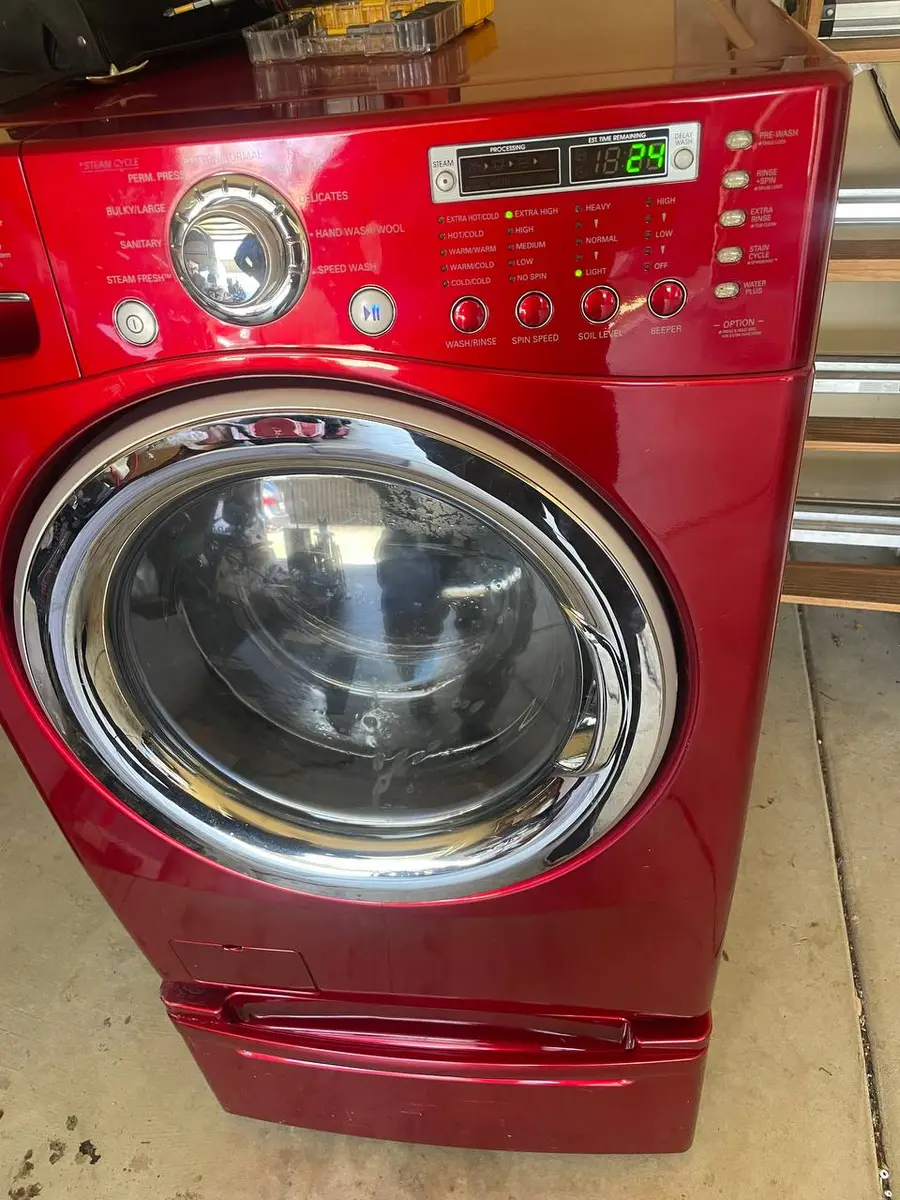
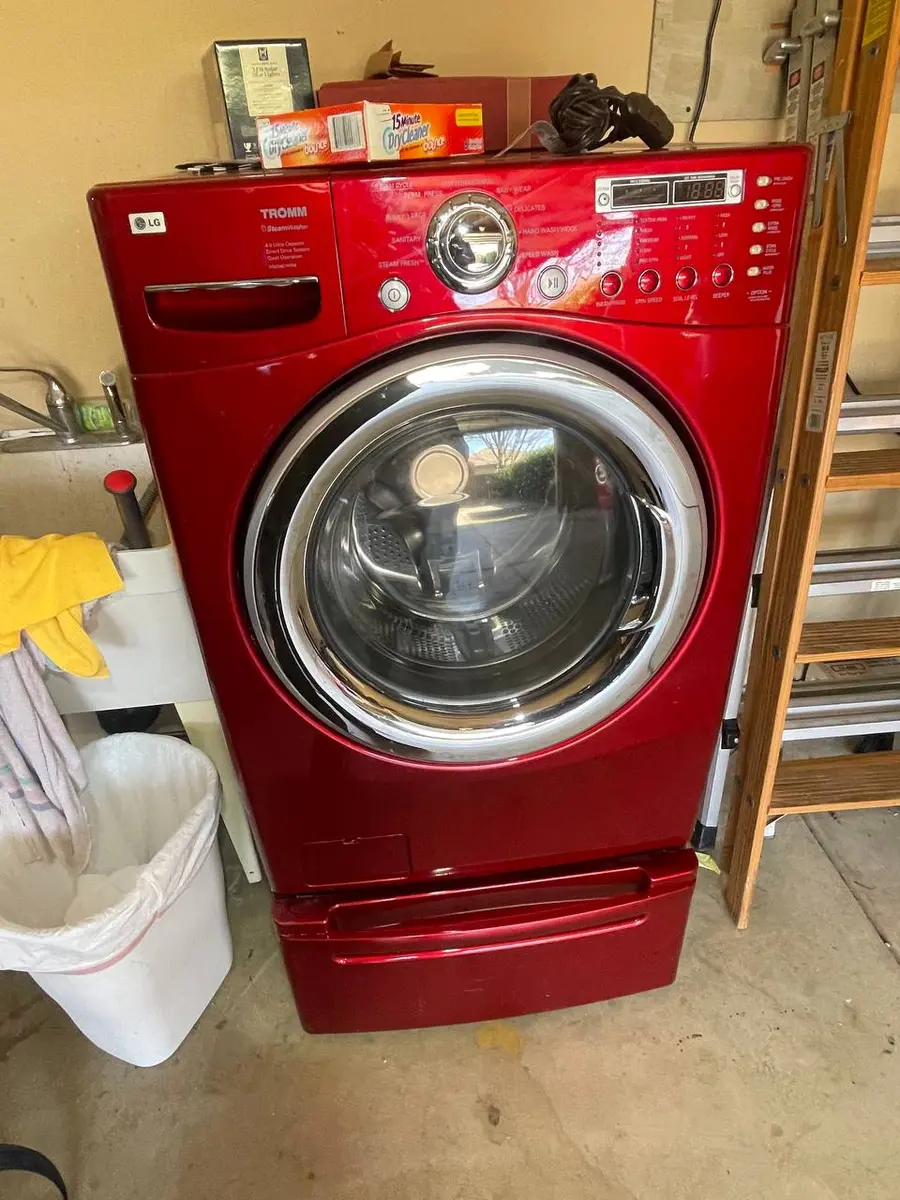
- 796 — LG (Kenmore Elite). These may include an internal heater element — the thermistor controls both inlet mixing and heater activation.
- 417 — Frigidaire/Electrolux. Frigidaire-specific sensor parts.
Do You Have the Right Tools?
Multimeter ($85), vacuum pump ($250), diagnostic software, and specialized hand tools. Our technician arrives with $15K+ in professional tools — your diagnostic is free.
Licensed & Insured · 90-Day Warranty · Same-Day Service
Mechanical Switch vs. Electronic Thermistor
Older Whirlpool 110-prefix models with rotary knobs may use a mechanical temperature switch behind the temperature selector knob. This switch directly routes power to the hot and cold inlet valve solenoids. When it fails, all washes come out the same temperature regardless of the dial setting. Test by measuring continuity between terminal pairs as you rotate through each position.
Modern Whirlpool 110-prefix VMW and LG 796-prefix models use an NTC thermistor connected to the control board. The board reads the thermistor resistance and controls inlet valve solenoids electronically. A failed thermistor causes the control board to default to a single temperature or display an error code.
Signs of Thermistor or Temperature Switch Failure
- Water temperature does not match the selected setting — the thermistor reports incorrect temperature, causing the control board to mix hot and cold in wrong proportions
- All cycles use the same water temperature regardless of selection — the control board cannot read the thermistor and defaults to a single fallback, or the mechanical switch contacts have corroded
- Error codes related to temperature sensing — F2 E1 (Whirlpool) or tE (LG) indicate the thermistor circuit is open or shorted
- Extended fill times — the control board keeps adjusting inlet valves because the thermistor reports temperature as too low
- Internal heater runs excessively (LG 796-prefix only) — a thermistor reading low causes the heater to stay on, potentially overheating wash water
Safety First — Know the Risks
Appliances involve high voltage (120-240V), pressurized water, gas lines, and chemical refrigerants. Over 400 DIY repair injuries are reported yearly. Our techs are licensed and insured — let them handle the risk.
Licensed & Insured · 90-Day Warranty · Same-Day Service
Cost Breakdown
| Component | Typical Range |
|---|---|
| NTC thermistor (electronic models) | -5 |
| Temperature switch (mechanical models) | 0-0 |
| Professional labor | 0-30 |
| Total DIY | -0 |
| Total professional | 0-80 |
Testing the Thermistor
Use a multimeter set to resistance (ohms). At room temperature (approximately 70 degrees F), a washer thermistor should read 40,000-55,000 ohms. Submerge the probe tip in warm water and watch the resistance drop — at 120 degrees F it should read approximately 10,000 ohms. Infinite resistance, zero resistance, or no change with temperature indicates failure.
For mechanical temperature switches, test continuity between terminal pairs while rotating through each position. Each temperature setting should produce a specific combination of open and closed contacts.
The Real Cost of DIY
Average DIY attempt: $150-400 in tools you may use once, plus the risk of further damage. Our diagnostic visit costs $0 — we find the problem and give you an honest quote.
Licensed & Insured · 90-Day Warranty · Same-Day Service
Step-by-Step Thermistor Replacement
- Unplug the washer
- Access the outer tub — on front-load models, remove the rear panel; on top-load models, tilt the cabinet back or remove it
- Locate the thermistor — a small probe inserted into the outer tub wall, connected by a two-wire harness
- Disconnect the wire harness and release the probe from its clip or housing
- Install the new thermistor, ensuring the probe tip contacts the water path inside the tub
- Reconnect the harness, reassemble, and run a warm wash cycle to verify correct temperature mixing
Tools needed: Phillips #2, multimeter, quarter-inch nut driver for panel access.
Water Supply Temperature — Check Before Replacing
Before assuming a thermistor failure, verify the hot water supply is actually hot. Run the hot water faucet nearest the washer until the water is hot before starting a load. In winter, cold water sitting in pipes may fill the washer before hot water arrives. Also check that supply hoses are connected correctly — hot to hot, cold to cold. Swapped hoses produce reversed temperature behavior that mimics a sensor failure.
Don't Void Your Warranty
Opening your appliance yourself may void the manufacturer warranty. Our repair comes with a 90-day guarantee, and we document everything for warranty compliance.
Licensed & Insured · 90-Day Warranty · Same-Day Service
LG-Based Models with Internal Heater
LG 796-prefix Kenmore Elite front-loaders may include an internal heater element — uncommon in Whirlpool-based washers. The thermistor is critical in these models because it controls both inlet valve mixing and heater activation. A failed thermistor can cause the heater to run indefinitely (overheating water and potentially damaging clothes) or not at all (cold washes regardless of setting).
Common Error Codes
Whirlpool-based (110-prefix): F2 E1 (thermistor open/shorted), temperature-related fill errors
LG-based (796-prefix): tE (thermistor error), IE (inlet error which can relate to temperature-controlled fill)
Same-Day Appliance Repair
Fixed or It's Free
$89 → $0 Service Call & Diagnosis — offer ends May 25
Is It Worth Your Time?
The average DIY appliance repair takes 4-6 hours of research, troubleshooting, and parts ordering — with no guarantee of a correct diagnosis. Our technician diagnoses the issue in about 30 minutes — same-day appointments available.
Licensed & Insured · 90-Day Warranty · Same-Day Service
Cross-Reference Parts Sourcing
The key to saving money on Kenmore parts is decoding your model number prefix and ordering the OEM-branded part number instead of the Kenmore-labeled equivalent. The same part — manufactured in the same factory to the same specifications — typically costs 30-40% less when sold under the Whirlpool or LG brand name rather than the Kenmore label.
Steps: (1) Find your full model number on the rating plate. (2) Note the first three digits. (3) Search your full model number at searspartsdirect.com. (4) Note the OEM part number listed for your component. (5) Search that OEM part number at general appliance parts retailers for comparison pricing.
Kenmore Protection Plans
Kenmore appliances purchased with a protection plan are serviced through the Sears Home Services network. DIY repairs void remaining protection plan coverage. If your Kenmore is under a protection plan, schedule service through Sears rather than replacing parts yourself. If the plan has expired, DIY and independent repair are both viable options.
The Risk of Getting It Wrong
A wrong diagnosis often turns a simple fix into a costly replacement. Without proper diagnostic tools, you might replace the wrong part — or cause additional damage. Our free diagnostic eliminates the guesswork.
Licensed & Insured · 90-Day Warranty · Same-Day Service
Troubleshooting Before Replacement
Before ordering a replacement thermostat, verify these common causes of similar symptoms that do not require part replacement:
- Check error codes — enter diagnostic mode to retrieve specific fault codes that pinpoint the failed component. Random troubleshooting wastes time and money.
- Verify power supply — a tripped breaker, blown fuse, or loose plug can make components appear failed when they simply have no power.
- Inspect wire connections — a loose or corroded wire connector at the component produces identical symptoms to a failed component. Disconnect and reconnect each connector to clean contact surfaces.
- Check related components — many symptoms have multiple possible causes. The cost breakdown table in this guide lists the most likely components to check.
Professional Repair Considerations
When hiring a professional for Kenmore washer repair, verify they service Kenmore and Whirlpool Corporation brands regularly. The Whirlpool platform is the most common in the industry, so most appliance technicians are familiar with the disassembly procedures and diagnostic systems. Ask about warranty on parts and labor — reputable services offer 90-day or longer warranties on repairs.
For washer repairs involving sealed refrigerant systems, gas connections, or high-voltage components (240V dryer circuits), professional service is strongly recommended over DIY. Safety risks in these categories exceed the cost savings of self-repair.
Free Diagnostic Visit — Zero Risk
Our certified technician comes to your home, diagnoses the problem with professional tools, and gives you an honest quote — all at zero cost. No parts markup, no hidden fees. If you decide not to proceed, you pay nothing.
Licensed & Insured · 90-Day Warranty · Same-Day Service
FAQ
How much does a Kenmore Washer Thermistor cost?
-5 for the electronic thermistor, 0-0 for a mechanical temperature switch on older models. Professional installation adds 0-30.
Why is my Kenmore washer using cold water on the warm setting?
Check hot water supply first — run the nearest faucet until hot. If supply is hot, check inlet valve screen for sediment. If both are fine, the thermistor is likely reporting incorrect temperature.
What is the difference between a thermistor and a thermostat in a washer?
A thermostat mechanically opens and closes at a set temperature (used in dryers). A thermistor is an electronic variable-resistance sensor (used in modern washers). Older Kenmore washers with rotary knobs may use a mechanical temperature switch, which is functionally similar to a thermostat.
Can a bad thermistor damage my Kenmore washer?
Not directly — it causes incorrect water temperature but does not damage mechanical components. However, on LG-based models with internal heaters, a failed thermistor can cause the heater to overheat water, potentially damaging fabrics.
Need help with your Kenmore Thermostat replacement? Our technicians handle all Kenmore platforms daily. Book a technician →