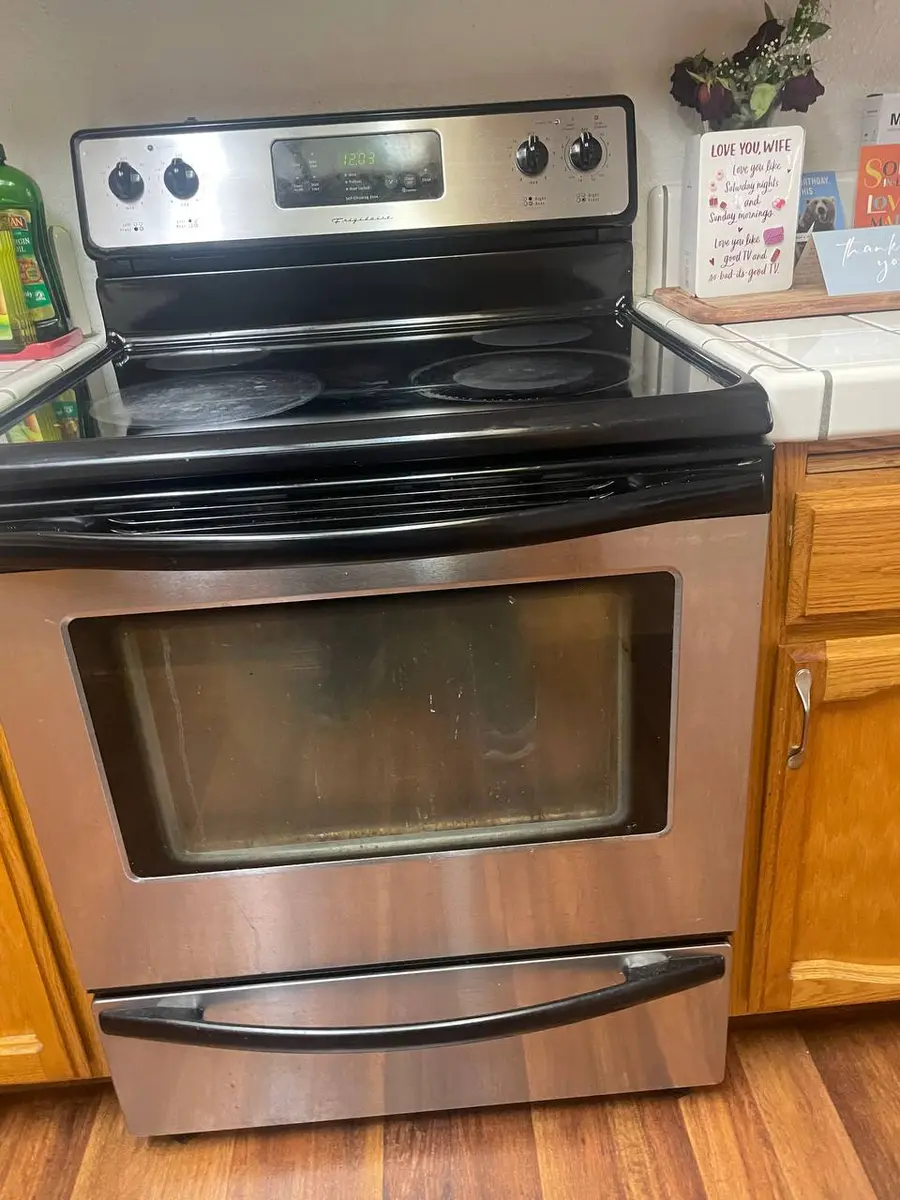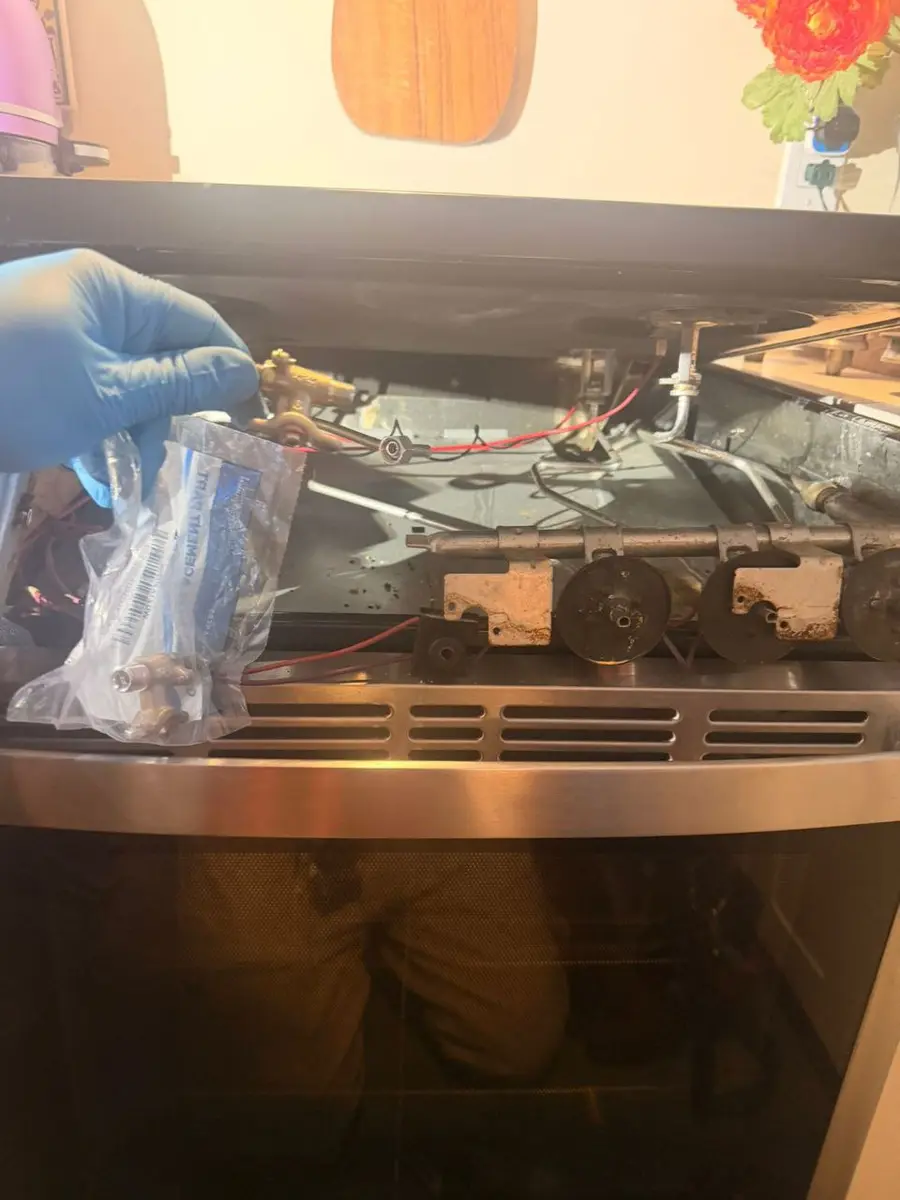
Quick Answer: It Depends on the Type#
Most likely, a GE cooktop that will not start comes down to power first — a tripped breaker kills electric and induction cooktops entirely — then to type-specific causes: a failed spark module on gas models, or an accidentally engaged control lock on induction and electric ones. GE electric and induction cooktops run on a dedicated 240-volt, 40-amp or 50-amp circuit, while gas cooktops use a 120-volt, 15-amp circuit for the igniters and controls. Knowing which you own points the diagnosis straight at the likely cause, because a dead gas cooktop and a dead induction cooktop fail for very different reasons.
Cause-by-Symptom Table#
| What you see | Most likely cause | Type |
|---|---|---|
| Totally dead — no display, heat, or fan | Tripped breaker or blown fuse | electric / induction |
| No clicking at all when you turn to LITE | Failed spark module (WB13K21) | gas |
| Panel appears dead, no response to touch | Control lock or child lock engaged | electric / induction |
| Igniter clicks but the burner never lights | Gas valve failed closed | gas |
| No display, power confirmed present | Control board failed | all types |
Do You Have the Right Tools?
Multimeter ($85), vacuum pump ($250), diagnostic software, and specialized hand tools. Our technician arrives with $3,000+ in professional tools — your diagnostic is free.
Licensed & Insured · 90-Day Warranty · Same-Day Service
Power and the Spark Module#
Start with power, since a tripped breaker is the leading cause. GE Profile induction cooktops draw heavily — a PHP9030 can pull 7,200 watts across all zones at once — so on an older panel, repeated high-draw sessions can thermally trip the breaker and leave the cooktop completely dead. On gas models, confirm both the electrical outlet and the gas shutoff valve behind the cooktop are on, then listen: turn any burner to LITE, and if there is zero clicking from any burner, the spark module has failed. GE fires all igniters from one spark module (part WB13K21 on most models), and it is the single most-replaced ignition part, deteriorating from moisture and surges. On newer Profile and Cafe models the spark function is built into the control board, so there the board handles ignition.
The Lock That Looks Like a Failure#
The most misdiagnosed no-start is the control lock. GE Profile induction and electric cooktops have a child-lock that disables every touch control, and when it is on, pressing any zone does nothing — sometimes a small lock icon shows, but on some models there is no indication at all and the cooktop simply appears dead. It engages by holding the Lock button for about three seconds, and crucially, water contacting the touch controls during cleaning can trigger it accidentally. So before assuming a hardware fault on a touch-control cooktop that went dark after wiping it down, try unlocking it — this saves many unnecessary service calls.
Safety First — Know the Risks
Appliances involve high voltage (120-240V), pressurized water, gas lines, and chemical refrigerants. Over 400 DIY repair injuries are reported yearly. Our techs are licensed and insured — let them handle the risk.
Licensed & Insured · 90-Day Warranty · Same-Day Service
Gas Valve and Control Board#
Two causes remain. If the igniter clicks normally but a burner will not light, the spark module is fine and the gas valve for that burner has failed closed — check carefully whether you smell gas at LITE, and if there is none with a working igniter, the valve is the fault; do not force a stiff valve knob, since binding means the valve needs service. On GE Cafe models the dual-stack Tri-Ring valve is more complex and fails more often after 8 to 10 years. Finally, if the cooktop shows no display and no response but power is confirmed at the terminal block, the control board has likely failed — humidity and steam condensing on the electronics is the usual reason, so a surge protector and good kitchen ventilation help prevent it.
A Two-Minute Triage#
Most no-start diagnoses resolve in a couple of minutes of listening and checking. First confirm power: on electric and induction models that the breaker is on, and on gas models that both the outlet and the gas shutoff valve behind the cooktop are open. Then use your ears at the LITE position on a gas cooktop — zero clicking from any burner means the spark module, while clicking with no flame means a gas valve or the supply. On an induction or electric cooktop that simply went dark, try the control lock, holding the Lock button about three seconds, especially if the panel died right after cleaning. Those three checks — power, spark, lock — separate the free fixes from the real repairs before you remove a single panel.
The Real Cost of DIY
Average DIY attempt: $150-400 in tools you may use once, plus the risk of further damage. Our diagnostic visit costs $0 — we find the problem and give you an honest quote.
Licensed & Insured · 90-Day Warranty · Same-Day Service
Repair or Replace?#
A no-start is a repair on any cooktop under about 8 to 10 years old — a spark module or gas valve is inexpensive, and even the control board costs far less than a new cooktop. Work the order the causes rank in: power, then spark module or control lock, then the valve or board. When the spark module, a gas valve, or the control board is the answer, book a GE cooktop repair.
Senior Gas Appliance Specialist · 18 years experience
AGA-certified gas appliance specialist with 18 years of experience in residential and commercial oven, range, and cooktop repairs.