Reviewed by Vladyslav Z., BHGS-certified technician
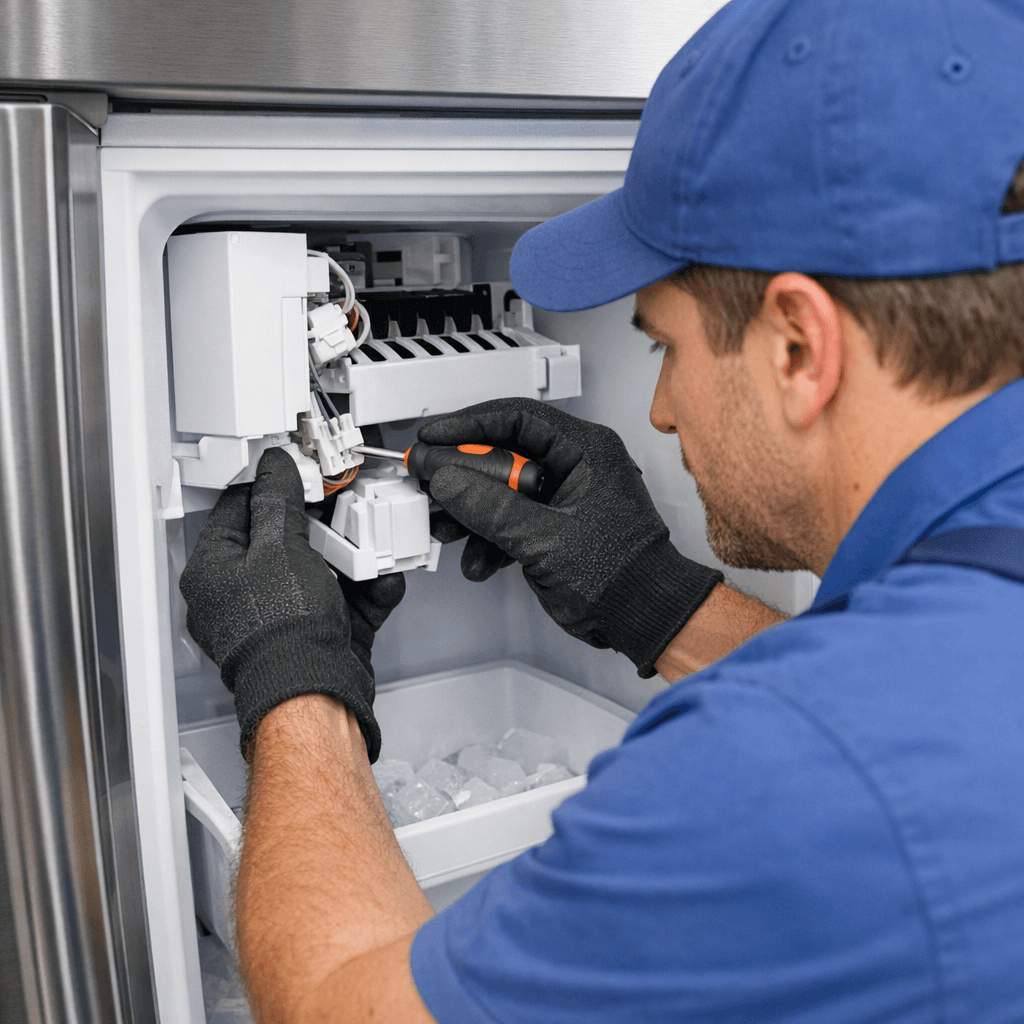

Ice Maker Repair in South San Francisco
Professional ice maker repair service in South San Francisco, San Mateo County
Same-Day Service
90-Day Warranty
Fixed or It's Free
Typical Cost: $100-$350
Book a Free Diagnostic Visit — Fully Online
Same-day ice maker repair in South San Francisco, San Mateo County
Book a Free Diagnostic VisitOr Call NowAvailable 24/7 — call or text
Free DiagnosisSame-Day Service90-Day Warranty
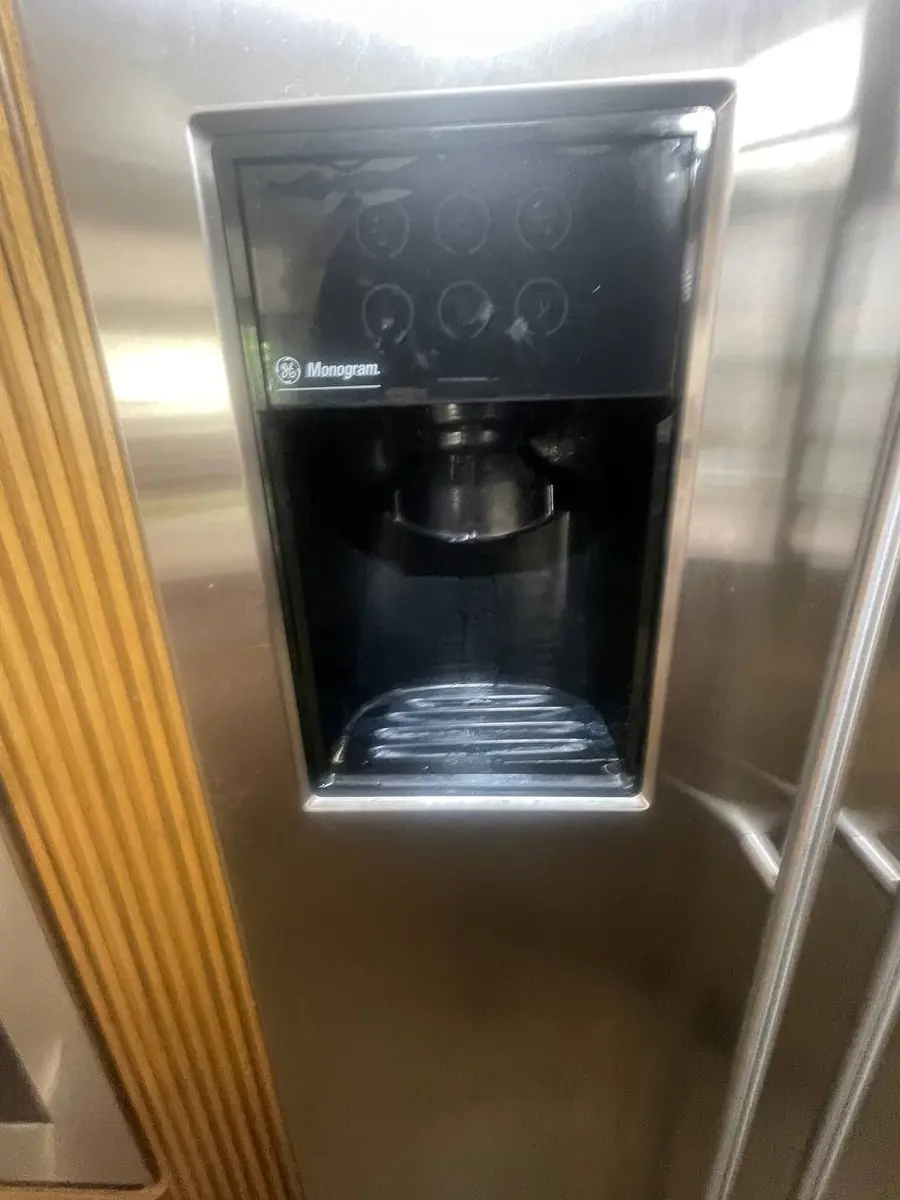
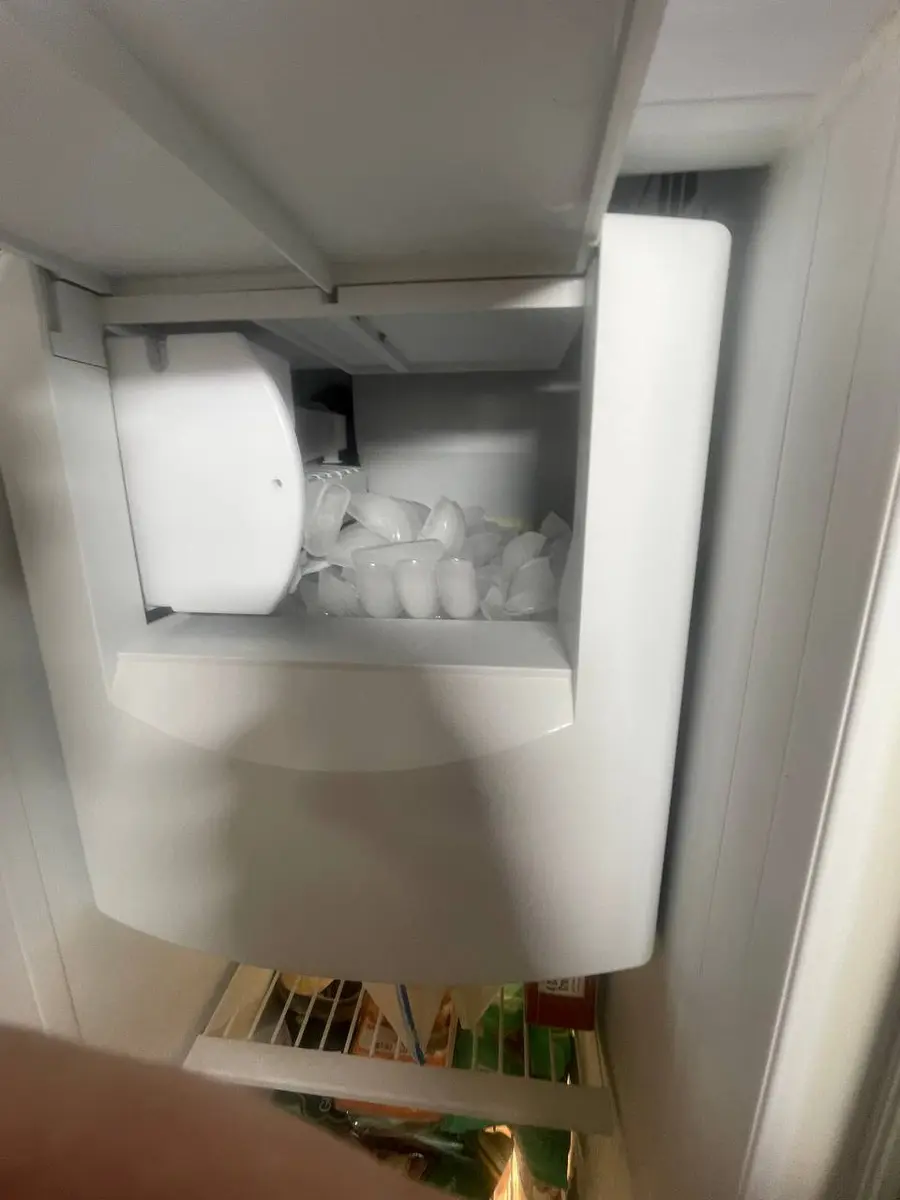
Real Ice Maker Repairs by Our Technicians
How Much Does Ice Maker Repair Cost in South San Francisco?
Ice Maker repair in South San Francisco typically costs $100-$500. EasyBear provides same-day ice maker repair in South San Francisco with free diagnosis, 90-day warranty, and vetted technicians.
- Water inlet valve replacement — most common fix
- Thermostat replacement
- Water line repair
- Motor / auger replacement
- Control board replacement — the most involved repair
What Are the Most Common Ice Maker Problems?
Not making ice
Slow ice production
Ice maker leaking water
Making loud or unusual noises
Ice tastes bad or has odor
Ice clumping or sticking together
Water line frozen
Dispenser not working
Producing small or hollow ice cubes
Overfilling or overflowing
Free Ice Maker diagnostic — book now
Our licensed technician diagnoses your ice maker on-site and gives you an exact quote. Same-day appointments in San Francisco and Bay Area if available. You only pay if we fix it.
or call (415) 795-7300Available 24/7 — call or text
Licensed & Insured · 90-Day Warranty · Same-Day Service
What Ice Maker Issues Do We Fix?
Ice Maker Not Making Ice
medium priorityAn ice maker that stops producing ice is the most common issue we see. A frozen water supply line, a failed water inlet valve, or a defective ice maker module are typical causes. Our technicians restore ice production quickly with reliable repairs.
Frozen water supply lineFailed water inlet valveDefective ice maker module
Cost: $125-$350Time: 30-75 minutes
Ice Maker Leaking Water
high priorityA leaking ice maker can damage the interior of your freezer and the surrounding area. Loose water line fittings, a cracked water inlet valve, or an overflowing ice mold are common sources. We find and fix the leak to prevent water damage.
Loose water line fittingCracked water inlet valveOverflowing ice mold
Cost: $100-$300Time: 30-60 minutes
Ice Maker Producing Small or Hollow Ice
low priorityUndersized or hollow ice cubes indicate insufficient water flow to the ice maker. A partially clogged water filter, low water pressure, or a failing water inlet valve can restrict water supply. We diagnose the flow issue and restore full-size ice production.
Partially clogged water filterLow water pressureFailing water inlet valve
Cost: $100-$250Time: 30-60 minutes
Ice Maker Producing Bad-Tasting Ice
low priorityIce that tastes or smells bad is often caused by an old water filter, food odors being absorbed, or a contaminated water supply line. While sometimes simple to fix, persistent bad-tasting ice may require a thorough cleaning of the ice maker system.
Expired water filterFood odor absorptionContaminated water supply line
Cost: $75-$200Time: 20-45 minutes
Ice Maker Overproducing Ice
medium priorityAn ice maker that won't stop making ice can overflow the bin and clog the freezer. A faulty ice level sensor, a stuck shut-off arm, or a defective control board can cause overproduction. We adjust or replace the faulty component to regulate ice output.
Faulty ice level sensorStuck shut-off armDefective control board
Cost: $100-$250Time: 30-60 minutes
Ice Maker Making Loud Noises
medium priorityClicking, buzzing, or grinding noises from your ice maker can indicate a failing water inlet valve, a stuck ejector arm, or ice jammed in the mechanism. Our technicians clear jams and replace worn parts to restore quiet ice-making.
Failing water inlet valveStuck ejector armIce jam in mechanism
Cost: $100-$250Time: 30-60 minutes
Ice Maker Ice Clumping Together
low priorityClumped ice in the bin makes it hard to dispense and often signals a temperature fluctuation problem. A failing thermostat, a defective heater element in the ice mold, or infrequent ice use can all cause cubes to fuse together. We address the underlying cause.
Temperature fluctuationsDefective mold heaterInfrequent ice use
Cost: $100-$250Time: 30-60 minutes
Ice Maker Not Dispensing Ice
medium priorityWhen your ice maker produces ice but won't dispense it, the problem is usually in the dispenser mechanism. A frozen chute, a broken auger motor, or a faulty dispenser switch can all block ice delivery. We clear the blockage and repair the dispenser system.
Frozen dispenser chuteBroken auger motorFaulty dispenser switch
Cost: $125-$300Time: 30-75 minutes
Get Your Ice Maker Fixed Today
Free diagnosis when you book online
Book a Free Diagnostic VisitOr Call NowAvailable 24/7 — call or text
Free DiagnosisSame-Day Service90-Day Warranty
Why Choose EasyBear in South San Francisco?
Same-Day Service
Most repairs completed same day
90-Day Warranty
Comprehensive coverage
No Diagnostic Fee
Free inspection
No fix, no fee.
Book a free ice maker diagnostic — honest quote up front, 90-day warranty, and you only pay if we repair it.
or call (415) 795-7300Available 24/7 — call or text
Licensed & Insured · 90-Day Warranty · Same-Day Service
Book a Free Diagnostic Visit — Fully Online
Book a Free Diagnostic VisitOr Call NowAvailable 24/7 — call or text
Free DiagnosisSame-Day Service90-Day Warranty
Serving South San Francisco:
9408094083
About Ice Maker Repair in South San Francisco
Ice maker repair in South San Francisco deals primarily with the interaction between the city's municipal water supply and the fog-belt humidity that infiltrates freezer compartments throughout the year. Water delivered to the 94080 and 94083 ZIP codes carries moderate mineral content that builds calcium deposits on ice maker inlet valve screens. This gradual restriction reduces water flow to the ice mold, producing cubes that are undersized, hollow, or fused together where insufficient water partially fills the mold before freezing.
The humidity factor is uniquely pronounced in South San Francisco. During fog season — which spans roughly May through October on the northern Peninsula — each freezer door opening introduces moisture-saturated air into the compartment. This moisture freezes on the coldest surfaces, including the ice maker's ejector mechanism and the ice bin itself. Frost accumulates between the ejector arm and the mold housing, physically preventing the harvest cycle from completing. The ice maker motor stalls against the frost obstruction, and the unit enters a fault state that halts production until the frost is manually removed or a diagnostic defrost cycle clears the blockage.
Refrigerator-integrated ice makers in South San Francisco's older homes face an additional supply-line challenge. Many installations use saddle-valve connections tapped into cold water supply lines — a quick-install method common in the 1970s and 1980s that pierces the pipe with a needle valve. Over decades, these saddle valve openings corrode partially shut, and the small-diameter piercing point accumulates mineral deposits that further restrict flow. The result is ice production that degrades gradually over years, from full-size cubes to thin wafers to complete cessation. Replacing the saddle valve with a proper compression-fitting supply connection restores full flow and is the definitive repair for chronic slow-ice complaints in South San Francisco's mid-century homes.
Water temperature affects ice production efficiency in ways South San Francisco homeowners rarely consider. During warmer months, supply water sitting in above-ground pipes can arrive at the ice maker at temperatures exceeding 70°F, requiring the freezing mechanism to work harder and longer per batch. This thermal load slows production rates and produces softer, cloudier ice that melts faster. Running the cold tap briefly before the ice maker's fill cycle lowers incoming water temperature, and insulating exposed supply lines in garages and laundry rooms reduces thermal gain. For South San Francisco homes along the 94080 corridor where the supply line runs through an unconditioned space before reaching the refrigerator, pipe insulation is a simple preventive measure that improves both ice quality and production speed.
Ice Maker Repair in South San Francisco — Common Questions
How much does ice maker repair cost in South San Francisco?
Ice maker repair in South San Francisco typically costs $120–$350. Inlet valve replacement runs $120–$200, motor module repair costs $150–$250, and control board issues range from $200–$350. We provide a clear diagnosis and quote before any work begins.
Does South San Francisco's water quality affect my ice maker?
Cal Water (Hetch Hetchy)'s soft water is gentle on ice maker components, which means most failures in South San Francisco are mechanical (inlet valve, motor module) rather than scale-related. Filter replacement every 6 months keeps ice tasting fresh. If your ice maker is producing small, cloudy, or bad-tasting ice, water quality is the first thing we check during service calls in South San Francisco.
Do you fix built-in ice makers in Westborough, Sign Hill, Sunshine Gardens?
Yes, we service both built-in standalone ice makers and refrigerator-integrated ice makers throughout South San Francisco — including Westborough, Sign Hill, Sunshine Gardens, Downtown SSF and all ZIP codes from 94080 through 94083. Same-day ice maker repair is available for morning bookings.
Why is my ice maker making small or hollow ice in South San Francisco?
Small or hollow ice cubes almost always indicate low water pressure to the ice maker — usually from a partially clogged inlet valve, a kinked water line, or a failing water filter. Our technicians test water pressure at the valve during every ice maker service call in South San Francisco.
Can you repair Sub-Zero and premium ice makers in South San Francisco?
Yes. South San Francisco's housing market includes GE and Whirlpool in Westborough tract homes, Samsung in newer Oyster Point condos, and we're experienced with premium brands like Sub-Zero, Scotsman, U-Line, and KitchenAid built-in ice makers. These units require specific diagnostic procedures and genuine parts — our technicians are trained for these models.
How fast can you fix my ice maker in South San Francisco?
We typically reach South San Francisco homes within 1–2 hours. Most ice maker repairs take 30–60 minutes on-site — inlet valve and motor module replacements are straightforward. For homes in Westborough, Sign Hill and throughout San Mateo County, we carry the most common ice maker parts for a first-visit fix.
Need Ice Maker Repair in South San Francisco?
Book your same-day repair service now
Book a Free Diagnostic VisitOr Call NowAvailable 24/7 — call or text
Free DiagnosisSame-Day Service90-Day Warranty
Content verified 2026-05-20