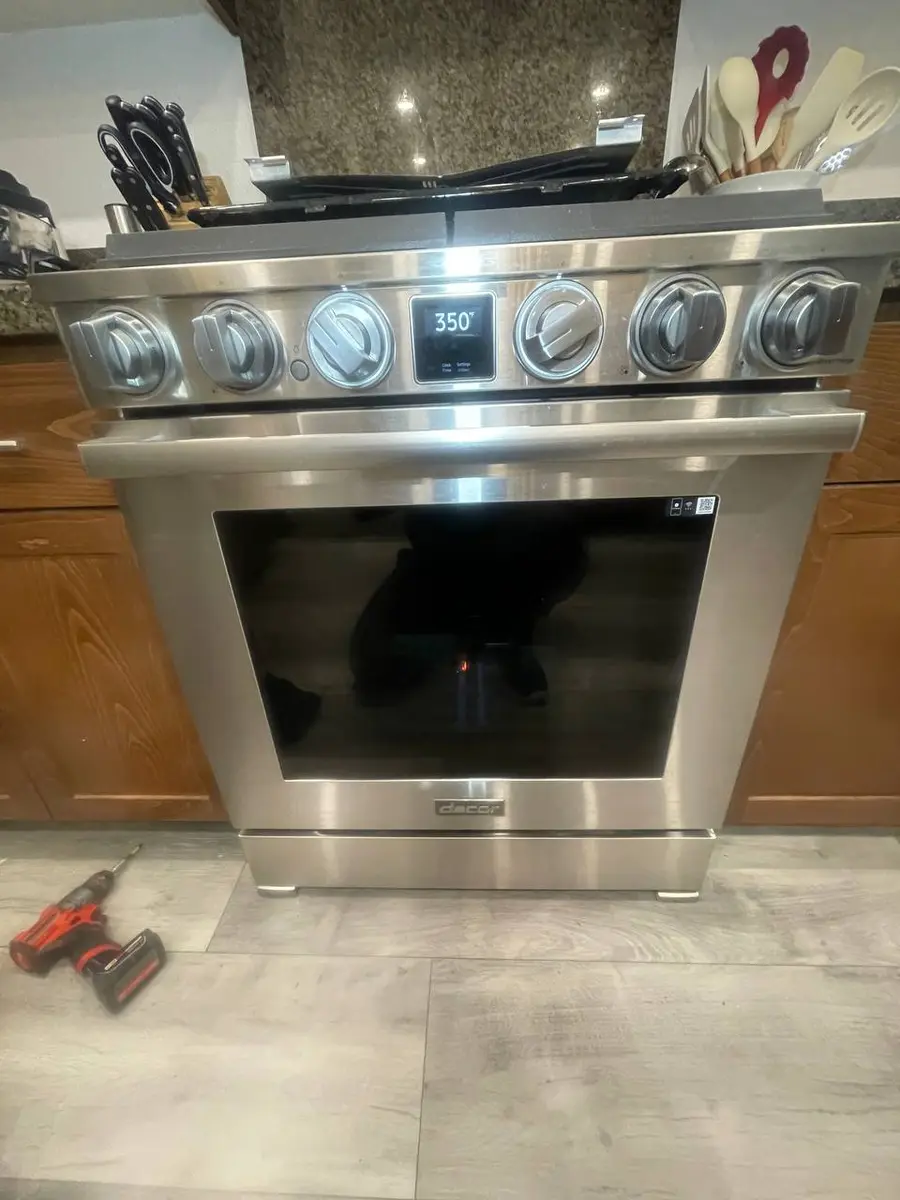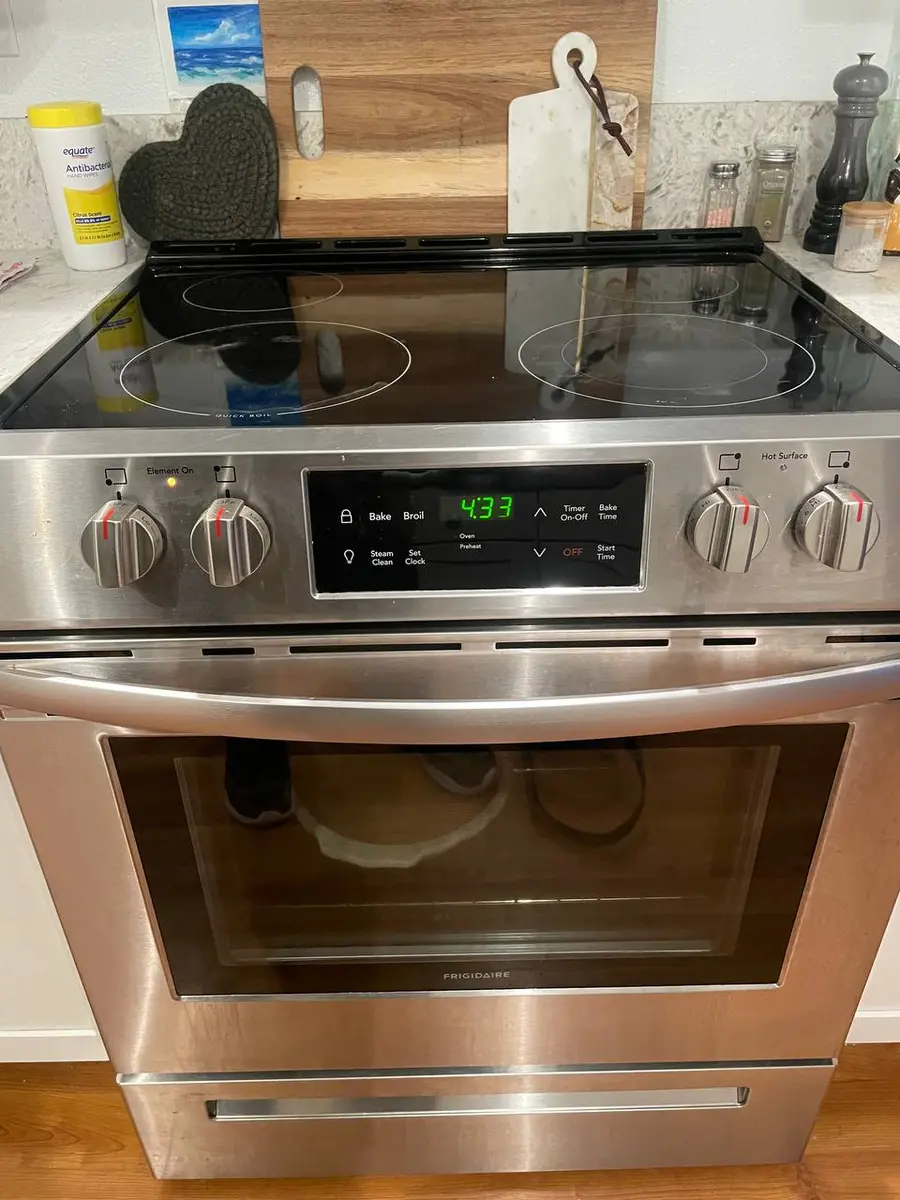
How to Repair the Convection Fan Motor on an LG ProBake Oven
LG ProBake Convection ranges position the heating element on the rear wall of the oven cavity rather than the traditional bottom placement. This rear-element design delivers more even heat distribution by pairing the element with a convection fan that circulates hot air throughout the cavity. When the convection fan motor fails, the ProBake advantage disappears: heat concentrates near the rear element, the front of the oven runs significantly cooler, and baking results become uneven. The fan motor is accessible from the rear panel of the range without removing the stove from its installation.
This guide covers convection fan motor repair on LG ProBake Convection ranges (electric and dual-fuel models), LG standard convection ovens, and LG wall ovens with rear-mounted fan assemblies. The fan motor is the most commonly failing mechanical component in LG ovens after 5+ years of service.
Before You Start
- Tools needed: Phillips #2 screwdriver, 1/4-inch nut driver, 10mm socket wrench, multimeter, work gloves, machine oil (for bearing lubrication)
- Parts needed: LG convection fan motor (model-specific, ~$45-$85)
- Time required: 45-60 minutes
- Difficulty: Advanced
- Safety warning: Disconnect the range from the electrical outlet or turn off the circuit breaker (240V circuit for electric ranges). If gas model, also turn off the gas shut-off valve. Verify power is off with a non-contact voltage tester at the terminal block. The oven interior stays hot for 60+ minutes after use. Allow full cooling before beginning.
Do You Have the Right Tools?
Multimeter ($85), vacuum pump ($250), diagnostic software, and specialized hand tools. Our technician arrives with $15K+ in professional tools — your diagnostic is free.
Licensed & Insured · 90-Day Warranty · Same-Day Service
Step-by-Step Instructions
Step 1: Confirm the Fan Motor Has Failed
Set your LG oven to Convection Bake and allow it to preheat. Open the oven door and listen for the convection fan at the rear. On working units, you should hear a steady whooshing sound from behind the rear panel once temperature reaches approximately 200 degrees F. If the element glows (visible through the rear grille on some models) but no fan sound is present, the motor has likely failed. Turn off the oven. Alternatively, use ThinQ Smart Diagnosis to check for fan-related error codes before disassembly.
Step 2: Access the Rear Panel of the Range
Pull the range forward enough to access the rear panel (12-18 inches from the wall). On slide-in models, this may require removing anti-tip bracket screws first. The rear panel is a large metal sheet covering the back of the oven cavity. Remove the screws around the perimeter (typically 10-14 Phillips or 1/4-inch hex head). On some LG models, the lower section of the rear panel covers only the convection motor area and can be removed independently from the upper section.
Step 3: Locate and Identify the Convection Fan Motor
With the rear panel removed, you will see the convection fan motor mounted to the rear wall of the oven cavity. The motor shaft passes through the cavity wall and connects to the fan blade inside the oven. On LG ProBake models, the fan blade and rear heating element are both behind the inner rear panel (visible when you look inside the oven through the grille). The motor body sits on the external side with its wire harness connecting to the main control board.
Step 4: Test the Motor Electrically
Before replacing, confirm the motor winding has failed rather than a control board issue. Disconnect the motor wire harness (typically 2-3 pin connector). Set your multimeter to resistance and measure between the motor power leads. A healthy LG convection fan motor reads 20-80 ohms between power terminals. OL (open/infinite) indicates a burned winding. 0 ohms indicates a short circuit. If the motor reads normal resistance, the control board relay may not be sending power. Reconnect and test voltage at the connector during a convection cycle (240V or 120V depending on motor type). Caution: this is a live voltage test requiring professional experience.
Step 5: Remove the Failed Motor
Disconnect the motor wire harness from the junction near the control board area. Remove the motor mounting screws (typically 3-4 screws in a circular pattern around the motor flange). The motor slides straight back away from the oven cavity wall. The fan blade inside the oven is either press-fit onto the motor shaft or secured by a nut/clip on the shaft inside the cavity. If a retaining clip holds the blade, access the oven interior, remove the rear grille cover inside the oven (3-4 screws), and remove the blade clip before pulling the motor from outside.
Step 6: Transfer or Install the Fan Blade
If your replacement motor comes without a fan blade, transfer the blade from the old motor. The blade typically pulls straight off the motor shaft (press-fit) or has a set screw. Match the blade orientation (convex side faces rear wall, concave side faces oven interior for proper airflow). On LG ProBake models, the fan blade works in conjunction with the rear element baffle to create circular airflow. Correct blade orientation is critical for proper heat circulation.
Step 7: Install the New Motor
Insert the new motor shaft through the oven cavity wall hole, aligning the mounting flange with the screw holes. Secure with mounting screws, tightening in a star pattern to ensure even seal pressure against the cavity wall gasket. Connect the wire harness to the junction point. If the fan blade was removed from inside the oven, reinstall it on the shaft (push onto shaft until it seats against the shoulder) and replace the interior rear grille cover.
Step 8: Test and Reassemble
Before replacing the rear panel, restore power and run a Convection Bake cycle. Listen for the fan motor to activate and verify the blade spins smoothly without wobbling or contacting the interior grille. Check for any vibration in the motor mounting. Once confirmed working, turn off the oven, disconnect power again, and reinstall the rear panel with all screws. Push the range back into position, reconnect the anti-tip bracket if applicable. The oven should now heat evenly in convection mode with noticeably faster preheat times.
Troubleshooting Common Issues
If the new convection fan motor does not resolve uneven cooking in your LG oven:
- If the motor runs but produces a grinding or squealing noise, the replacement motor may have a defective bearing. Exchange it under warranty. LG convection motors use sealed bearings that should run near-silently. Noise within the first hours of installation indicates a manufacturing defect
- If the oven heats unevenly despite the fan running, the rear heating element (ProBake element) may have a partial failure. Visually inspect through the interior rear grille during a bake cycle. The entire element should glow evenly. Dark segments indicate broken element wire sections that reduce heat output on that side
- If the fan runs continuously even when the oven is off, the control board relay may be stuck closed. This is a control board issue, not a motor issue. Disconnect power immediately as continuous fan operation without heating causes excessive energy draw and may overheat the motor
- If the motor works in Convection Bake but not in Convection Roast, the control board sends different signals for different convection modes. The motor itself should respond to any power input. This indicates a board-level relay or logic issue specific to one mode
- If a burning smell accompanies the first few uses after motor replacement, this is normal. Manufacturing oils on the new motor housing and winding insulation burn off during the first 2-3 heat cycles. Run the oven empty at 400 degrees F for 30 minutes to complete the burn-in process
Safety First — Know the Risks
Appliances involve high voltage (120-240V), pressurized water, gas lines, and chemical refrigerants. Over 400 DIY repair injuries are reported yearly. Our techs are licensed and insured — let them handle the risk.
Licensed & Insured · 90-Day Warranty · Same-Day Service
When to Call a Professional
Convection fan motor replacement involves working behind a high-voltage appliance:
- If you are not comfortable working with 240V electrical connections, hire a professional. Electric ranges use 240V circuits that can cause serious injury. Gas dual-fuel models combine gas connections with high-voltage electric components
- If the motor tests good electrically but does not receive power during convection cycles, the control board or its relay needs diagnosis. Board-level repair requires identifying the specific failed relay component or replacing the entire board
- If the rear oven cavity wall around the motor shaft hole shows signs of corrosion, warping, or heat damage, the cavity wall seal may be compromised. This can allow oven heat to escape to the motor area, causing premature motor failure. Professional assessment of the cavity integrity is needed
- If the ProBake rear element needs replacement alongside the fan motor, both components require access from inside the oven cavity and proper high-temperature wire connections. Combined replacement ensures the full ProBake system operates as designed
- If you notice the self-clean cycle no longer reaches proper temperature after fan motor work, verify the self-clean door lock mechanism was not affected by the rear panel removal. The door lock interlock must function for self-clean to activate
Same-Day Appliance Repair
Fixed or It's Free
$89 → $0 Service Call & Diagnosis — offer ends May 25
Cost Comparison: DIY vs Professional
| DIY | Professional | |
|---|---|---|
| Parts | $45-$85 | $45-$85 |
| Labor | $0 | $150-$280 |
| Time | 60 min | 45 min |
| Risk | Moderate (240V electrical) | Warranty on labor |
The Real Cost of DIY
Average DIY attempt: $150-400 in tools you may use once, plus the risk of further damage. Our diagnostic visit costs $0 — we find the problem and give you an honest quote.
Licensed & Insured · 90-Day Warranty · Same-Day Service
Need Professional Help?
FAQ
Q: What is the difference between the LG ProBake fan and a standard convection fan? A: Standard convection ovens place the heating element on the bottom with a fan on the rear wall. LG ProBake places both the element AND the fan on the rear wall, creating true European convection. This means the ProBake fan is paired with a dedicated rear element rather than circulating air heated from below, providing more consistent temperature throughout the cavity.
Q: Can I use my LG oven without the convection fan working? A: Yes. Standard Bake mode uses the bottom element (or bottom and top broil element) without the convection fan. You can continue using Bake, Broil, and Warm modes normally. Only Convection Bake, Convection Roast, and ProBake modes require the fan. Cooking in non-convection mode may require slightly longer bake times and more frequent pan rotation.
Q: How do I know if the LG ProBake rear element has also failed? A: During a Convection Bake cycle, look through the rear vent grille inside the oven. The element should glow uniformly red-orange. Dark segments indicate failed sections. You can also test the element with a multimeter (expect 15-30 ohms for most LG rear elements). OL reading confirms element failure.
Q: Why does my LG oven fan make noise only at high temperatures? A: The fan blade and motor shaft expand with heat. If the fan blade is slightly warped or the motor bearing has wear, the expansion at high temperature causes intermittent contact or vibration that is not present when cool. This indicates early-stage bearing wear and eventual motor failure. Replacement is advisable before complete failure during a bake cycle.
Need a certified technician? Book same-day repair →