
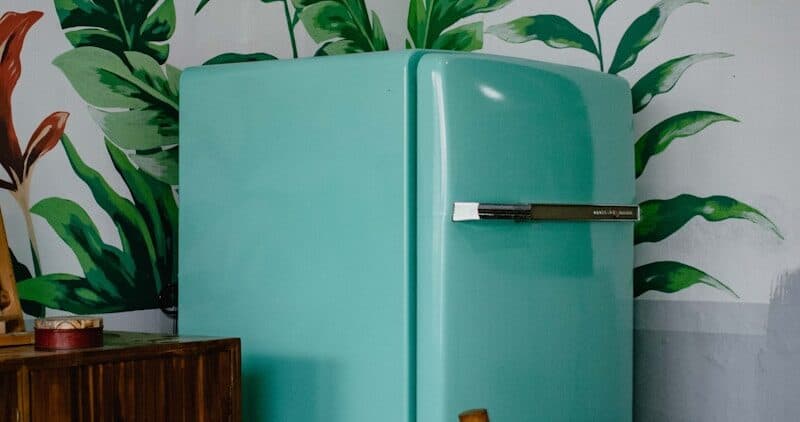
Hisense freezer experiencing [freezer leaking water](/blog/freezer-leaking-water-floor) is one of the most commonly reported service issues for this brand. Whether you own a newer model or a unit that is several years old, this guide covers the brand-specific causes, model differences, and repair costs you can expect. Hisense is a Chinese electronics and appliance conglomerate that also owns Gorenje. Their appliances feature modern inverter technology and electronic controls at competitive prices. US parts availability continues to improve through Hisense's growing support network.
Quick Answer#
Hisense freezer leaking water is most commonly caused by a clogged defrost drain line, an overflowing or cracked drain pan, or a leaking door gasket allowing excess frost that melts during defrost cycles. On upright models, the defrost drain is at the bottom rear of the freezer cavity — when it clogs with ice or debris, meltwater pools inside and eventually leaks through the door.
Do You Have the Right Tools?
Multimeter ($85), vacuum pump ($250), diagnostic software, and specialized hand tools. Our technician arrives with $3,000+ in professional tools — your diagnostic is free.
Licensed & Insured · 90-Day Warranty · Same-Day Service
Affected Hisense Models#
This issue is commonly reported on these Hisense freezer models:
- Hisense FV245N4AW1
- Hisense FC403D4AW1
- Hisense FV306N4BC1
What Are the Common Causes?#
1. Clogged Defrost Drain (35% of cases)#
During automatic defrost cycles, meltwater flows through a drain channel at the bottom rear of the freezer into a drain tube that leads to a pan beneath the unit. The drain tube on Hisense upright freezers passes through the cabinet insulation and is susceptible to freezing. When blocked, water accumulates at the bottom of the freezer compartment and leaks past the door seal. Flush the drain with hot water using a turkey baster — repeat until water flows freely through to the pan below.
When our technicians encounter this on a Hisense, wear on the primary failure component turns out to be the root cause more often than not.
Cost: (DIY)
2. Cracked or Displaced Drain Pan (20% of cases)#
The drain pan beneath the unit catches defrost meltwater. Compressor heat evaporates the water under normal conditions. If the pan cracks from impact (moving the freezer) or shifts out of position, water drips onto the floor. On Hisense models, the drain pan slides out from the front — behind the kick plate or grille. Inspect for cracks and verify alignment with the drain tube outlet. Replacement pans are inexpensive and model-specific.
3. Door Gasket Failure (20% of cases)#
A compromised door gasket allows warm humid air into the freezer continuously. The moisture freezes on cold surfaces, and during defrost cycles this excess ice melts — overwhelming the drain system. The result is periodic water on the floor corresponding to defrost cycles (every 8-12 hours). On Hisense chest freezers like the FC403D4AW1, the gasket runs the entire lid perimeter and is especially vulnerable at the hinge side where repeated bending stresses the rubber.
4. Freezer Not Level (15% of cases)#
An improperly leveled Hisense freezer causes defrost water to pool at the wrong location instead of flowing toward the drain. The front of upright freezers should be slightly higher than the rear, tilting water toward the rear drain. Use a level across the top and adjust the front leveling feet up. On Hisense chest freezers, all four corners should be at the same height to prevent the lid from sealing unevenly and creating frost entry points.
Cost: (DIY)
5. Excessive Frost from Power Outage (10% of cases)#
After a power outage, the freezer warms and items partially thaw. When power returns, the compressor restarts and the moisture from partially thawed items freezes as extra frost. The next defrost cycle must melt more ice than usual, potentially overwhelming the drain system. This is a one-time event — if water appears once after a known outage but doesn't recur, no repair is needed. Manually mop up the water and monitor the next defrost cycle.
Cost: (DIY)
Safety First — Know the Risks
Appliances involve high voltage (120-240V), pressurized water, gas lines, and chemical refrigerants. Over 400 DIY repair injuries are reported yearly. Our techs are licensed and insured — let them handle the risk.
Licensed & Insured · 90-Day Warranty · Same-Day Service
Step-by-Step Troubleshooting#
Before starting any troubleshooting on your Hisense freezer, disconnect power at the circuit breaker or unplug the unit.
- Identify your exact model: Locate the model number on the serial plate (typically inside the door frame, on the rear panel, or under the lid). This determines exact parts and diagnostic procedures.
- Check for error codes: If your Hisense freezer has a digital display, note any error codes shown. These narrow the diagnosis to a specific component.
- Inspect the most likely cause: Based on the causes above, start with the highest-probability component.
- Test basic components: Check power supply, inspect accessible parts for visible damage, and verify settings are correct.
- Test operation: After addressing any obvious issues, restore power and run a test cycle. Monitor for 10-15 minutes to see if the symptom recurs.
When Should You Call a Professional?#
Contact a certified appliance repair technician if:
- The issue persists after basic troubleshooting
- You notice burning smell, sparking, or electrical damage
- The repair requires accessing sealed refrigerant systems, high-voltage components, or internal wiring
- Your Hisense freezer is under warranty — professional diagnosis preserves coverage
The Real Cost of DIY
Average DIY attempt: $150-400 in tools you may use once, plus the risk of further damage. Our diagnostic visit costs $0 — we find the problem and give you an honest quote.
Licensed & Insured · 90-Day Warranty · Same-Day Service
How Much Does This Repair Cost?#
Typical repair costs for Hisense freezer leaking water: (parts and labor combined). The lower end covers simple component replacements completed in a single visit. The higher end involves more complex repairs or multiple failing parts. A diagnostic visit confirms exact cost before work begins.
Frequently Asked Questions#
Why is water pooling at the bottom inside my Hisense freezer?#
Water pooling inside the freezer compartment indicates a clogged defrost drain. The drain hole is at the bottom-rear of the freezer interior. Remove items from the bottom shelf and look for the drain opening — it may be behind a small panel. Flush with hot water using a turkey baster or syringe. If the drain freezes repeatedly, the drain heater (if equipped) may have failed, or the gasket is admitting too much warm air.
Why does my Hisense chest freezer have water around the lid?#
Water around the chest freezer lid comes from condensation on the outer surface (normal in humid environments) or from frost melting at the gasket edge when warm air enters through a weak seal. In humid conditions, condensation on the exterior is normal — wipe it down and improve room ventilation. If frost is visible along the inside of the lid edge, the gasket needs replacement.
How much does it cost to fix a leaking Hisense freezer?#
Drain unclogging: free (DIY) or. Drain pan:. Door gasket:. Leveling: free. Most freezer leaks are simple, inexpensive repairs. The clogged drain accounts for more than a third of all freezer leak service calls and is resolved in minutes.
Still having issues with your Hisense freezer? Book an EasyBear technician for expert Hisense [freezer repair](/blog/complete-guide-freezer-repair). Our technicians carry OEM parts and brand-specific diagnostic equipment on every service call.
Senior Appliance Repair Technician · 15 years experience
EPA-certified technician with 15 years of experience specializing in refrigerator and cooling system repairs.
