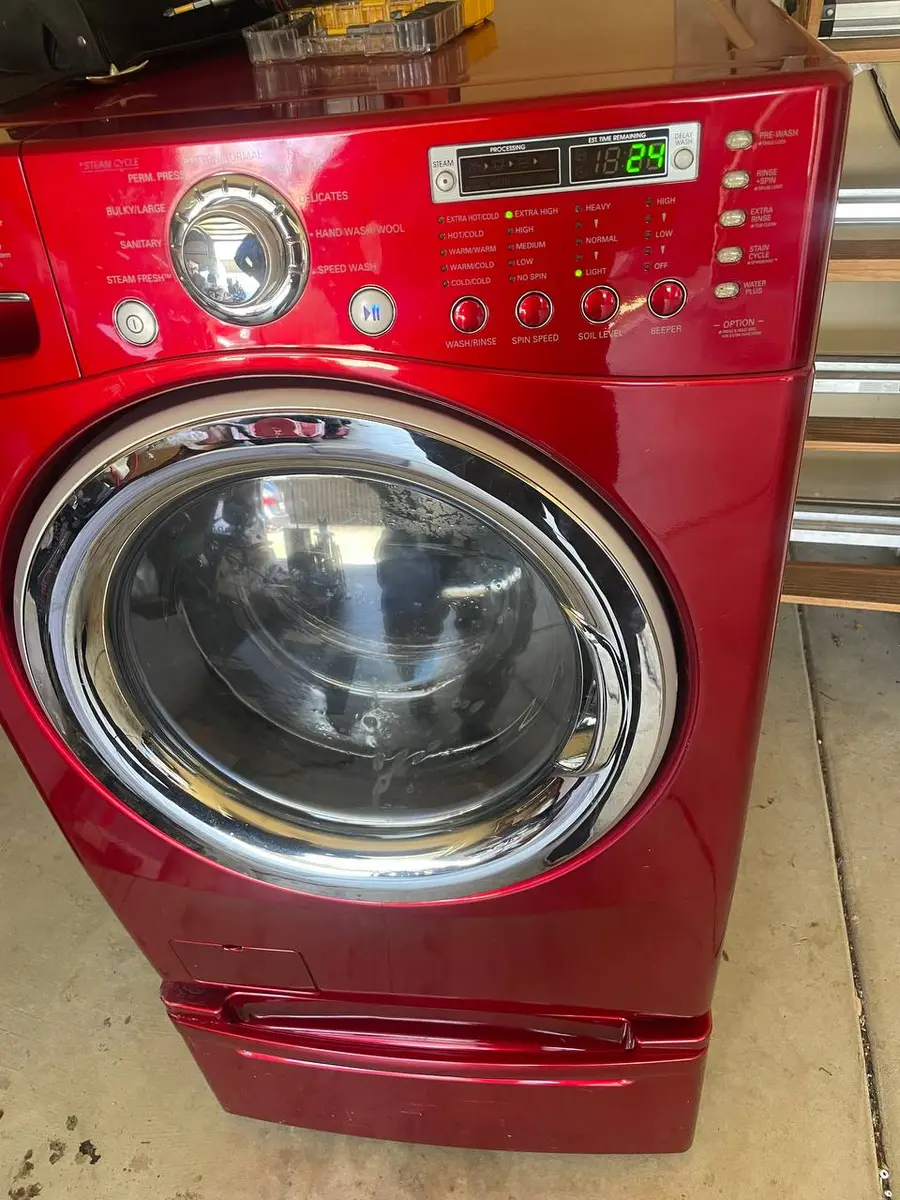
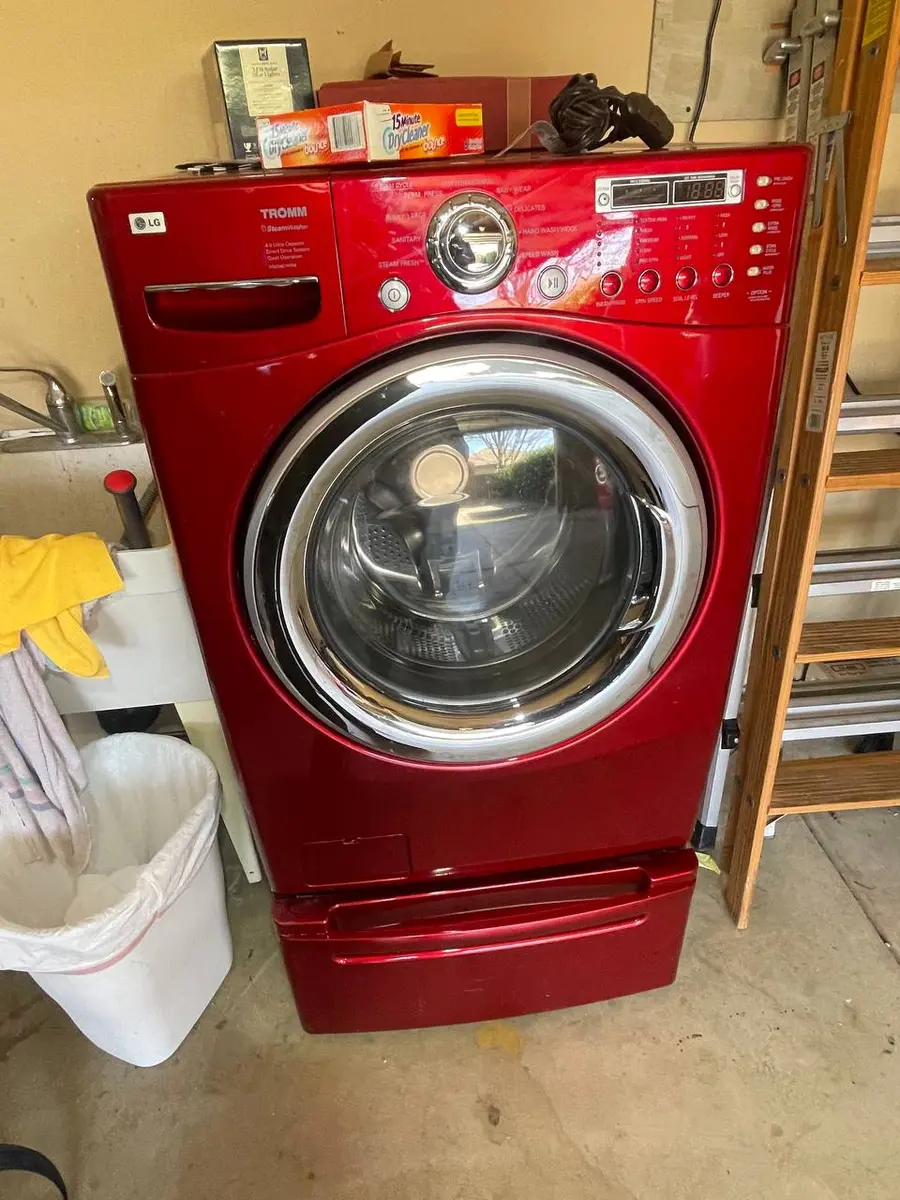
A washer that will not spin is usually caused by one of five things: an unbalanced load (30% of cases — fix it by redistributing clothes), a broken lid switch, a worn drive belt, a faulty motor coupling, or a clogged drain pump. The quickest check: redistribute the load and restart. If the drum still will not spin when empty, the problem is mechanical. Sacramento-area homes with hard water from SMUD/municipal supply should also check for mineral buildup in the drain pump filter, which accelerates clogging.
Here are all five causes ranked from simplest DIY fix to professional-only repair.
Why the Spin Cycle Matters#
The spin cycle is crucial for removing excess water from your clothes. Without it:
- Clothes come out soaking wet instead of damp
- Drying time doubles or triples
- Water can drip on your floor
- Mold and mildew can develop in wet clothes
- Your dryer works harder and costs more to run
A properly working spin cycle should remove about 50-70% of water from your laundry, leaving clothes damp but not dripping.
Do You Have the Right Tools?
Bearing puller set ($120), drum spider wrench ($85), multimeter ($85), and diagnostic software. Our technician arrives with $3,000+ in professional tools — your diagnostic is free.
Licensed & Insured · 90-Day Warranty · Same-Day Service
1. Unbalanced Load (The Most Common Cause)#
The Problem: This is responsible for about 30% of "washer won't spin" complaints. Modern washers have sensors that prevent spinning if the load is unbalanced to avoid damaging the machine.
What Happens:
- Washer starts the spin cycle
- Detects imbalance
- Stops spinning and tries to redistribute clothes
- If it can't balance the load, it gives up
Common Scenarios:
- Washing a single heavy item (bath mat, comforter)
- Mix of heavy and light items bunched up
- All clothes stuck to one side of the drum
- Overloaded washer
DIY Fix:
- Open the washer and redistribute clothes evenly
- Remove some items if overloaded
- Add a few towels if washing a single heavy item
- Make sure clothes aren't tangled in a ball
- Restart the spin cycle
Difficulty: Very easy - 2 minutes
Prevention:
- Don't wash single heavy items alone
- Don't overload the washer
- Untangle clothes before adding to washer
- Balance heavy and light items
2. Broken Lid Switch (Top-Load Washers)#
The Problem: Top-load washers have a safety switch that prevents spinning when the lid is open. If this switch breaks, the washer thinks the lid is always open and won't spin.
Symptoms:
- Washer fills and agitates normally
- Won't spin even with lid closed
- No clicking sound when you close the lid
- Works if you manually hold down the switch
How to Check:
- Listen for a "click" when you close the lid
- Look for the small pin or tab inside the lid opening
- Try pressing it manually while closed (carefully - don't put fingers in a running washer!)
DIY Fix:
- If the switch is just stuck, cleaning it may help
- If broken, replacement is needed (varies-100 installed)
- Some models allow switch replacement without tools
Difficulty: Easy to moderate, depending on model
Cost: varies by model and region for professional replacement
Note: Front-load washers have door locks instead - if the door won't lock, the washer won't spin. Same concept, different mechanism.
Safety First — Know the Risks
High-voltage components and pressurized water lines create flood and shock risk. A single loose fitting can cause thousands in water damage. Our techs are licensed and insured — let them handle the risk.
Licensed & Insured · 90-Day Warranty · Same-Day Service
3. Worn or Broken Drive Belt#
The Problem: The drive belt connects the motor to the drum. If it's worn, stretched, or broken, the drum won't spin (though the motor may still run).
Symptoms:
- Motor runs but drum doesn't spin
- Spin cycle is very weak or slow
- Squealing or burning rubber smell
- You can spin the drum by hand very easily (no resistance)
How to Check:
- Unplug washer
- Remove back panel or front panel (varies by model)
- Look for belt around drum and motor pulley
- Check for cracks, fraying, or complete breaks
DIY Fix:
- Belt replacement is possible for handy homeowners
- Need correct replacement belt for your model
- Requires removing panels and stretching belt onto pulleys
Difficulty: Moderate - requires disassembly
Cost: $20-30 for belt, varies by model and region for professional replacement
Signs of a Worn Belt:
- Cracks or fraying
- Feels loose or stretchy
- Shiny/glazed appearance
- Pieces of rubber near belt
4. Faulty Motor Coupling (Direct-Drive Washers)#
The Problem: Many modern washers (especially Whirlpool, Maytag, Kenmore) use a direct-drive motor coupling instead of a belt. This coupling connects the motor to the transmission and can fail with age or overloading.
What it Does: Transfers power from the motor to the drum. It's designed to fail before more expensive components get damaged (it's a sacrificial part).
Symptoms:
- Washer fills and drains normally
- Agitates weakly or not at all
- Won't spin or spins very slowly
- Motor runs but drum doesn't move much
How to Check:
- Requires accessing bottom of washer
- Look for broken plastic coupling between motor and transmission
- May see white plastic shavings underneath washer
DIY Fix:
- Coupling costs $15-25
- Replacement requires removing cabinet and drain pump
- Takes 1-2 hours for experienced DIYers
Difficulty: Moderate to difficult
Cost: varies by model and region for professional replacement
Prevention: Don't overload your washer - this is the main cause of coupling failure. If your Sacramento-area home has hard water (common in the Central Valley), mineral deposits on the coupling can accelerate wear — running a monthly cleaning cycle with washer cleaner helps.
The Real Cost of DIY
Average DIY attempt: $150-400 in tools you may use once, plus the risk of further damage. Our diagnostic visit costs $0 — we find the problem and give you an honest quote.
Licensed & Insured · 90-Day Warranty · Same-Day Service
5. Clogged Drain Pump or Hose#
The Problem: Most washers won't spin if they detect water still in the tub. If the drain pump is clogged or failing, water stays in the drum and the spin cycle won't start.
Symptoms:
- Water doesn't drain before spin cycle
- Spin cycle never starts
- Drain cycle takes very long (over 5 minutes)
- Gurgling sounds during drain
- Error code related to draining
How to Check:
- Look for standing water in drum after drain cycle
- Check drain pump filter (usually behind small door at bottom front)
- Look for clogs: coins, socks, hair ties, lint
DIY Fix:
- Clean the drain pump filter:
- Place towels on floor (water will come out)
- Open drain pump access door
- Slowly unscrew filter cap
- Remove debris (coins, bobby pins, etc.)
- Clean filter and reinstall
- Check drain hose for kinks or clogs
Difficulty: Easy
Cost: Free if just clogged; varies by model and region if pump needs replacement
Common Culprits:
- Coins
- Small socks
- Hair ties
- Lint buildup
- Small clothing items
Diagnostic Flowchart#
Follow this logic to pinpoint your issue:
-
Is the load balanced?
- NO → Redistribute and try again
- YES → Go to #2
-
Does water drain completely?
- NO → Check drain pump/filter
- YES → Go to #3
-
Top-load: Does lid click when closed?
- NO → Check lid switch
- YES → Go to #4
-
Can you easily spin drum by hand (unplugged)?
- VERY EASY (no resistance) → Likely belt or coupling issue
- NORMAL RESISTANCE → Could be motor, control board, or other issue
-
Does motor make sounds during spin cycle?
- NO SOUND → Electrical or control board issue
- MOTOR RUNS BUT NO SPIN → Belt or coupling problem
Don't Void Your Warranty
Opening your appliance yourself may void the manufacturer warranty. Our repair comes with a 90-day guarantee, and we document everything for warranty compliance.
Licensed & Insured · 90-Day Warranty · Same-Day Service
Quick DIY Checks (Before Calling a Pro)#
Try these in order:
- Redistribute the load and restart - fixes 30% of problems
- Run spin cycle only (empty washer) - if it works empty, it's a load balance issue
- Check drain filter - clean if needed
- Test lid switch - listen for click
- Manually spin drum (unplugged) - check for resistance
If none of these work, it's time for professional diagnosis.
When to Call a Professional#
Call EasyBear if:
- You've tried redistributing the load multiple times
- The drum won't spin even when empty
- You hear grinding, loud banging, or burning smells
- There's an error code you can't resolve
- You're not comfortable opening the washer panels
- The washer is making loud noises during spin attempts
Is It Worth Your Time?
Washer problems have dozens of possible causes from bearings to control boards. Average DIY troubleshooting: 3-5 hours plus parts ordering delays. Our technician diagnoses the issue in about 30 minutes — same-day appointments available.
Licensed & Insured · 90-Day Warranty · Same-Day Service
Repair Cost Guide#
Average costs in the San Francisco Bay Area:
- Service call + diagnosis: varies by model and region
- Lid switch replacement: varies by model and region
- Drive belt replacement: varies by model and region
- Motor coupling replacement: varies by model and region
- Drain pump cleaning: varies by model and region
- Drain pump replacement: varies by model and region
- Motor replacement: varies by model and region
Repair vs. Replace Consideration:
- If repair costs > $350 and washer is > 10 years old, consider replacement
- New washers: varies by model and region for quality models
- High-efficiency models save water and energy
Load Balancing Tips#
Prevent spin cycle issues with proper loading:
DO:
- Mix large and small items
- Add 2-3 towels when washing a single heavy item
- Fill washer 3/4 full maximum
- Separate heavy items (jeans, towels) from light items (t-shirts)
- Untangle clothes before loading
DON'T:
- Wash single heavy items alone (bath mats, comforters)
- Overfill the washer
- Pack clothes tightly
- Wash all jeans or all towels in one load
- Ignore unbalanced load warnings
The Risk of Getting It Wrong
A wrong diagnosis often turns a simple fix into a costly replacement. Without proper diagnostic tools, you might replace the wrong part — or cause additional damage. Our free diagnostic eliminates the guesswork.
Licensed & Insured · 90-Day Warranty · Same-Day Service
Frequently Asked Questions#
Q: Why does my washer spin sometimes but not others? A: This is usually an intermittent load balance issue, a worn belt that slips under heavy loads, or a failing lid switch. If it happens frequently, have it diagnosed.
Q: Can I force my washer to spin manually? A: You can try running "spin only" cycle, but if the washer detects an issue, it will stop. Don't bypass safety switches - they're there for a reason.
Q: How fast should a washer spin? A: Top-loaders: 600-900 RPM. Front-loaders: 1000-1400 RPM. Higher speeds extract more water.
Q: My washer spins but clothes are still very wet - is this normal? A: No. The spin cycle might be running but not at full speed. This indicates a belt, coupling, or motor issue.
Q: Can overloading damage my washer? A: Yes! Overloading is the #1 cause of motor coupling failure and can also damage the motor, bearings, and suspension system.
Prevention & Maintenance#
Keep your washer spinning smoothly:
- Don't overload - leave room at top of drum
- Balance loads - mix heavy and light items
- Clean drain filter monthly - prevent clogs
- Level your washer - adjust feet so it doesn't rock
- Regular cleaning - run cleaning cycle monthly
- Check hoses - ensure drain hose isn't kinked
Free Diagnostic Visit — Zero Risk
Our certified technician comes to your home, diagnoses the problem with professional tools, and gives you an honest quote — all at zero cost. No parts markup, no hidden fees. If you decide not to proceed, you pay nothing.
Licensed & Insured · 90-Day Warranty · Same-Day Service
Need Expert Repair?#
If your washer won't spin and simple fixes haven't worked, EasyBear offers same-day service in Sacramento and the Bay Area:
- All major brands: Samsung, LG, Whirlpool, GE, Maytag, and more
- 90-day warranty on repairs
- Transparent pricing - you approve before we start
- Most repairs completed same day
Book a washing machine repair appointment today and get your laundry routine back on track!
Lead Appliance Repair Technician · 12 years experience
Experienced technician with 12 years specializing in washing machine and dryer repairs across all major brands.